Oct 12, 2026
Last Updated: October 11, 2026
Selecting the right wholesale wine supplier is the difference between a bar that runs smoothly and one that runs dry on a Saturday night. At Swallow Drinks, we have spent 40 years supplying the on-trade, and it comes down to three things: range, pricing and service.
Get those right and everything else falls into place. Get them wrong and you will spend your week chasing deliveries instead of running your venue.
A good wholesale wine supplier passes three tests.
Most venues judge on price alone. That is a mistake. A cheap rate means nothing if the delivery is late or the substitutes are poor.
Ask each supplier for a full product list before you talk money. A broad wine portfolio matters more than a single low price. You want one account that covers still wine, sparkling, spirits and soft drinks, not four separate orders every week.
Run a wine supplier account checklist before you sign anything. This is the step most venues skip, and it is where the problems start. Every line should produce a score you can compare across suppliers, not a yes or no you forget by the following week.
Work through it in order, and score each supplier out of five on every line:
Most buyers weigh everything equally. That is why they end up with a supplier who is cheap but unreliable. Weight the criteria to match what your venue actually needs.
| Criterion | Suggested Weight | What to Score |
|---|---|---|
| Product range and fit | 20% | Can they cover your full list, from house pour to premium? |
| Pricing and terms | 20% | Clear list price, no hidden fees, sensible payment terms |
| Delivery reliability | 25% | Fixed days, clear cut-off, accurate orders |
| Account support | 15% | Named contact, response time, problem resolution |
| Compliance and paperwork | 10% | Correct wholesale authorisation, clean documentation |
| Contract flexibility | 10% | Notice period, price-change terms, exit route |
Score each supplier out of five per criterion, multiply by the weight, and add the totals. A supplier who scores 4.5 on price but 2 on delivery will lose to a slightly dearer supplier who turns up every time.
To buy wholesale wine, you need a valid alcohol licence for your premises, and the supplier must hold the correct wholesale authorisation. Under UK alcohol licensing rules, both sides need the right paperwork before any stock moves.
Have these ready when you open an account:
A serious supplier will check all of this before the first order. If a supplier waves the paperwork through, treat that as a warning sign. Proper checks protect you as much as them.
This is the part most venues skim, and it is where the costly surprises live. Before you sign, get written answers on:
A common pattern is a supplier who offers attractive opening terms but locks in a long notice period. Ask for the notice period in writing and check it against your own planning cycle.
A supplier who passes every line on this checklist is worth more than one who undercuts on price but fails on delivery, paperwork or contract flexibility. The scorecard turns a gut feeling into a decision you can defend to your business partner or accountant.
To see how a full account looks in practice, register for the trade area and compare the range, terms and support against your current supplier.
Reliable wine wholesaler delivery and ordering comes down to fixed days, clear cut-off times and a named contact who answers the phone.

A dependable schedule looks like this:
| Element | What Good Looks Like | Why It Matters |
|---|---|---|
| Delivery days | Fixed, six days a week | You can plan your stock |
| Cut-off time | Clear, same day | No missed orders |
| Substitutions | Agreed in advance | No surprise bottles |
| Emergency support | Named contact | Friday problems get solved |
Cut-off times decide whether an order lands tomorrow or next week. Know yours and build your ordering around it.
Substitutions are the quiet killer of a good wine list. Agree the rules upfront. If your house white is out, you want a like-for-like swap, not a random bottle at a different price.
Emergency support matters most. If a line fails or a delivery is short on a Friday, you need a real person on the phone.
Choosing wine for a restaurant wine list that sells means matching bottles to your food and your customers, not to your own taste.
SAN GIORGIO PINOT GRIGIO 12% 75CL (V) →
Build it in three tiers:
Match by food pairing. A crisp white suits fish and light starters. A bold red suits red meat.
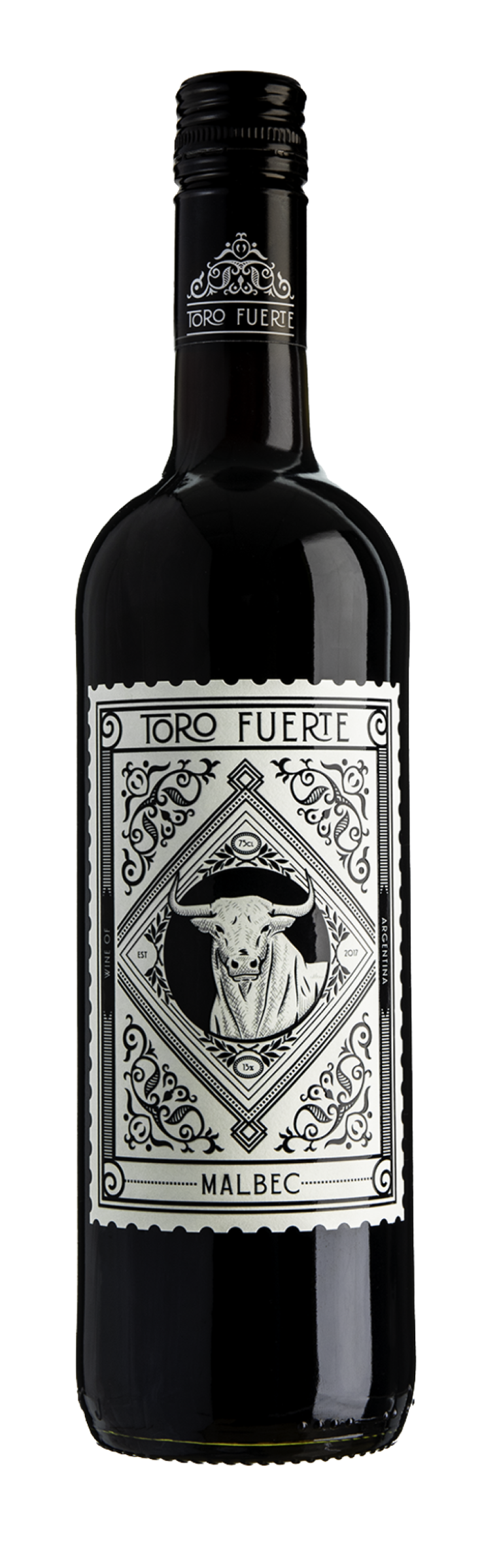
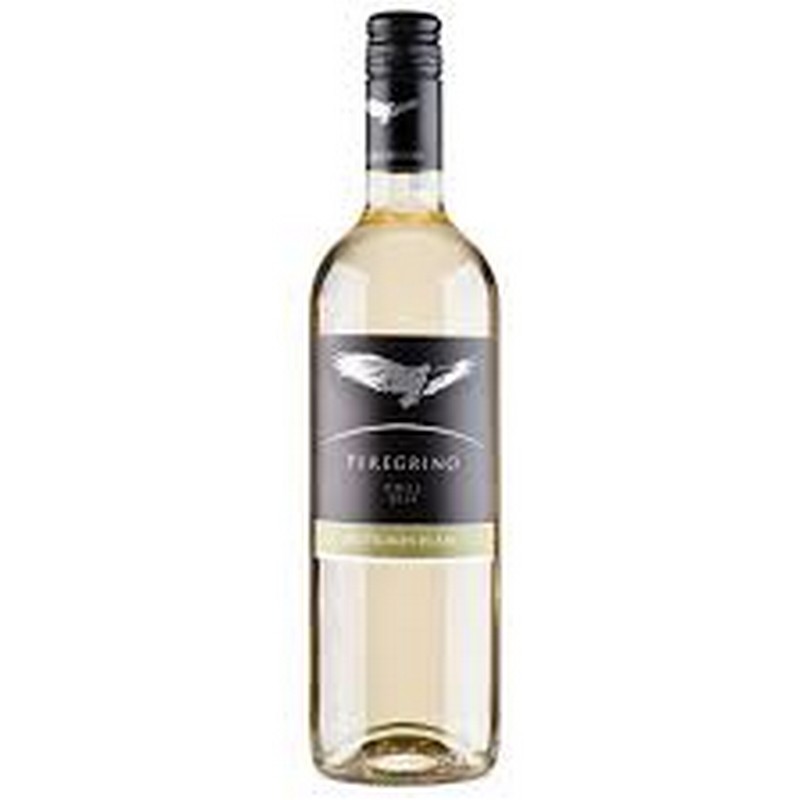
For a reliable house white, Peregrino Sauvignon Blanc 12% 75cl works well at £5.84. For a house red, Toro Fuerte Malbec 13% 75cl sits at £8.76.
Wine stock management for bars and restaurants is about par levels, rotation and honest counting. Get these right and you stop losing money to waste and running out at the worst time.
Set a par level for every line. That is the minimum you hold before reordering. Then:
The goal is simple. Never run dry on a top seller. Never tie up cash in a bottle that never moves.
The true cost of a wholesale wine supplier is not the price on the invoice. It is price plus delivery, waste, substitutions and the cost of running out. Most venues never calculate this properly, which is why they switch on headline price and end up worse off.
Landed cost is what a bottle actually costs you once it is on the shelf, ready to sell. Work it out line by line:
A simple example. If a case of twelve bottles carries a delivery charge of £6, that is 50p per bottle added to the list price before you have sold anything. If a substitution sits on the shelf for a month instead of selling in a week, the lost margin is real even though no invoice shows it.
Margin is what is left after you account for every cost, not just the bottle price. A supplier with a slightly higher list price but free, reliable delivery often costs less overall.
Run the numbers on a full month, not a single order. Compare suppliers on total cost, not headline price. That is where the real difference shows.
| Cost Line | Supplier A | Supplier B |
|---|---|---|
| Bottle price | Lower | Slightly higher |
| Delivery | Charged per order | Included above minimum |
| Substitution risk | High | Agreed like-for-like |
| Emergency cover | None | Named contact |
| Likely monthly cost | Higher once waste and lost sales are counted | Lower overall |
Payment terms affect your cash flow as much as price. A 30-day account is worth more to a growing venue than a 2% discount for immediate payment, because the cash stays in the business longer.
Ask each supplier:
A supplier who waives delivery above a sensible minimum and offers a clear payment window is usually cheaper in practice than one with a lower list price and a string of small charges.
To see how a full account compares on landed cost and terms, register for the trade area and run the numbers against your current supplier. Swallow Drinks has supplied the on-trade for 40 years, and we are happy to be measured on total cost, not just bottle price.
Choosing the right wholesale wine supplier is a decision you live with every week. Get the range, pricing and service right, and your bar runs itself. Get them wrong, and you are firefighting every Friday.
At Swallow Drinks, we have supplied the on-trade for 40 years as a family-run independent wholesaler. We offer a broad portfolio of wine, beer, spirits and soft drinks, plus non-alcoholic options for every kind of venue. Order through our trade portal at webtrade.swallow.uk.com and get your account set up.
Get started with Swallow Drinks and give your venue a supplier it can rely on.
Start with range, pricing and service levels. Check the supplier stocks the styles your menu needs, from house wines to premium bottles, and ask for trade prices in writing. Confirm delivery days, cut-off times and minimum order rules before you commit. A supplier account checklist covering licensing documents, payment terms and after-sales support keeps the decision objective rather than based on one sales visit.
Ask for a full trade price list, delivery schedule and minimum order value. Confirm what happens with breakages, returns and substitutions, and whether emergency support is available at weekends. Check they hold the correct licences to sell alcohol wholesale. A written checklist makes these answers comparable across suppliers, so you can weigh up a wholesale wine supplier on evidence rather than a promise made on the doorstep.
Request a tasting or sample bottles of the wines you plan to list, and check whether the range covers sparkling, still and non-alcoholic options. Look at how the supplier describes each wine, including region and grape, and whether they stock local labels. Swallow Drinks, for example, lists wines such as Peregrino Sauvignon Blanc at £5.84 and San Giorgio Pinot Grigio at £6.70, giving you clear price points to compare.
Confirm delivery days, order cut-off times and the lead time for special orders. Ask how the supplier handles a missed delivery or a breakdown on a Friday night, and whether out-of-hours support exists. Check whether you can order through a trade portal and track what is arriving. Reliable wholesale wine supplier delivery is what keeps a busy weekend from running dry.
Members of:


AWRS Registration Number: XJAW00000100730