Sep 13, 2026
Last Updated: September 13, 2026
Functional drinks are soft drinks formulated with added ingredients such as vitamins, minerals, adaptogens, probiotics or nootropics that are intended to deliver a specific physiological benefit beyond basic hydration. For bar owners, they answer a question that comes up on almost every shift: what do you serve the customer who wants something interesting but isn't drinking alcohol tonight?
That question is no longer niche. Alcohol moderation has moved from a January novelty to a year-round behaviour, and the venues that treat a functional soft drink list as an afterthought are handing margin to the pub down the road. At Swallow Drinks, we've supplied the on-trade for over 40 years, and the shift in what independent bars ask us to source has been unmistakable.
Below, we'll show you exactly what to stock, how to price it, and how to brief your team so it actually sells.
The ingredients on the label should drive your buying decisions, not the marketing on the front of the can. Four categories matter most behind the bar:
A common mistake is stocking five drinks that all promise the same thing. Build a list where each product covers a distinct need: one for energy, one for calm, one for gut health, one for pure refreshment.
The defining no and low alcohol menu trend of the past few years is the move from "alcohol-free version of a beer" to fully designed soft drinks with their own identity. Customers are no longer settling for a glass of squash while everyone else has a pint.
Three shifts are driving this:
The venues adapting fastest are simply making the functional range visible: same menu, same glassware, same garnish as the alcoholic list.
The best functional soft drinks for bars are the ones that sell without explanation, hold their margin, and don't tie up fridge space. In practice, that means a compact core range rather than a long tail of one-off cans.
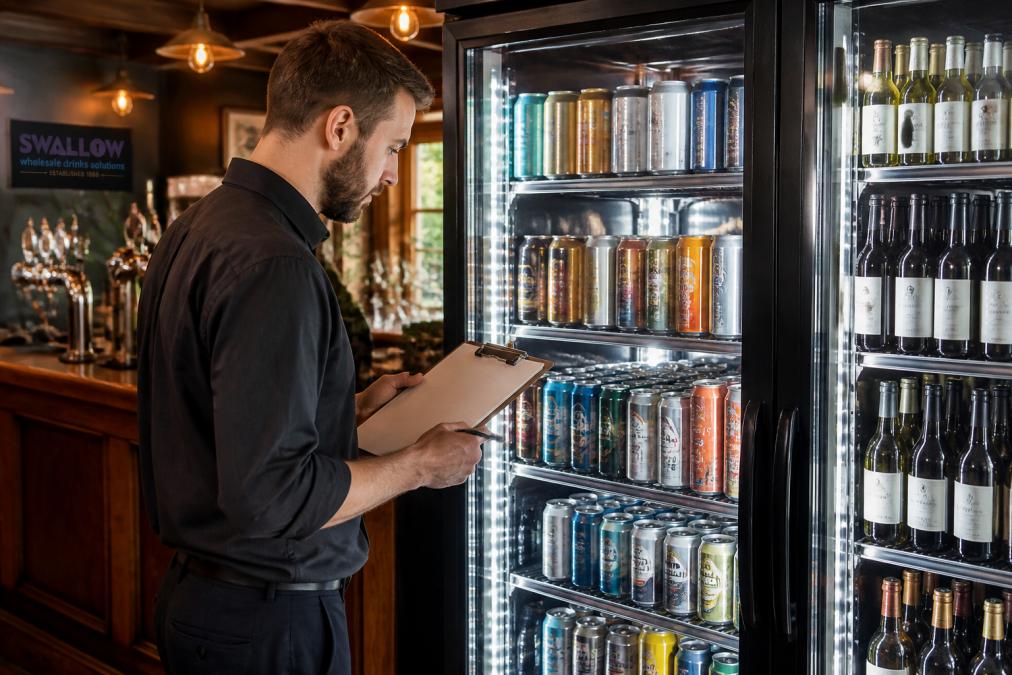
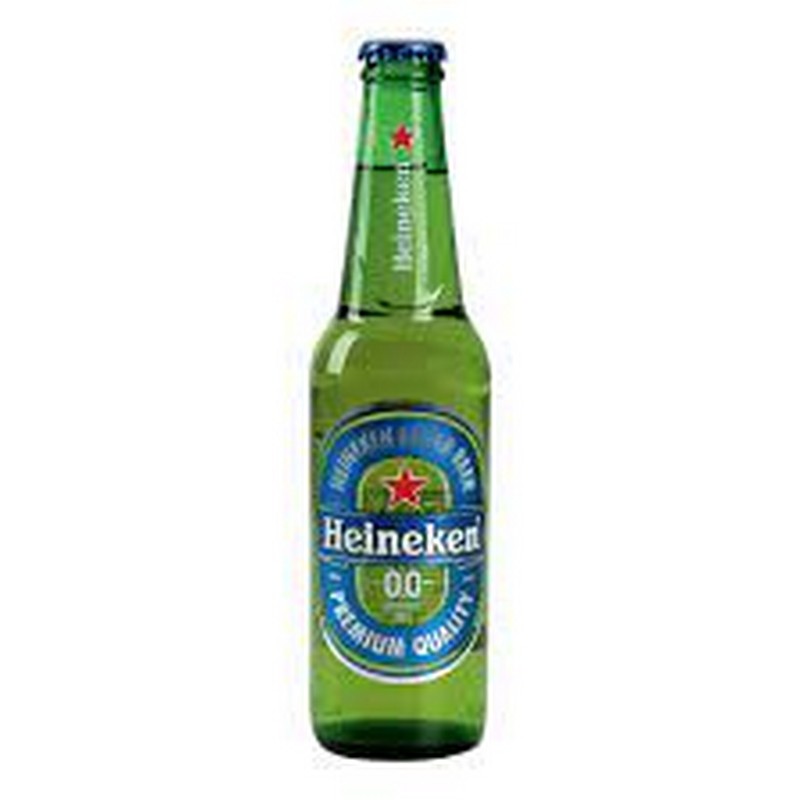
Start with a proven alcohol-free stout or lager to anchor the list, then layer in two or three functional soft drinks with clear ingredient stories. Swallow Drinks stocks a dedicated low and no alcohol range built specifically for the on-trade, including options such as GUINNESS 0% NA CANS 24 X 440ML at £29.79 per 24, and HEINEKEN 0% NON ALCOHOLIC 330ML at £21.89 per case of 24.
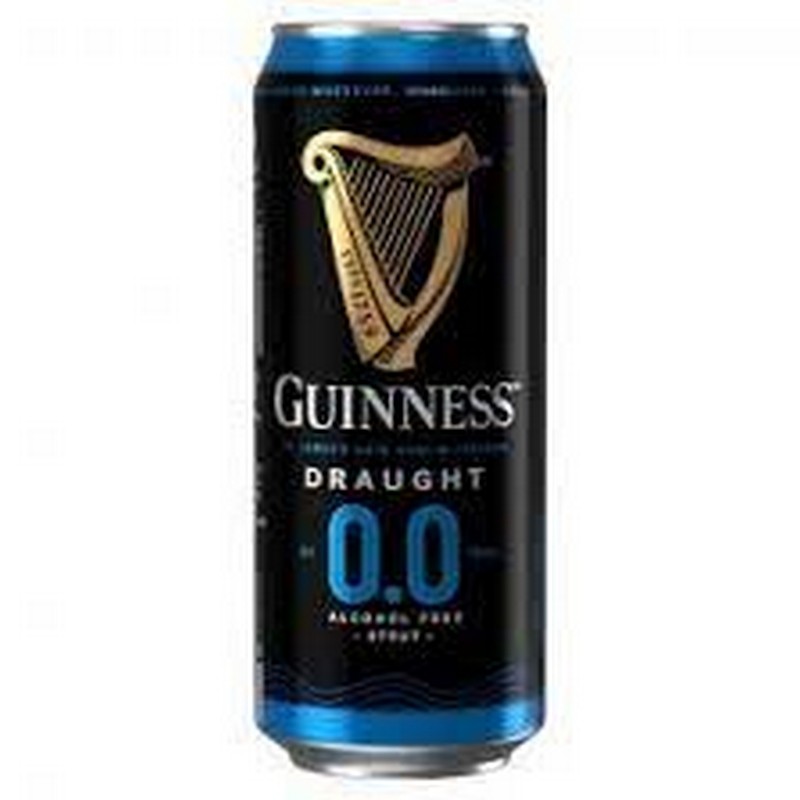
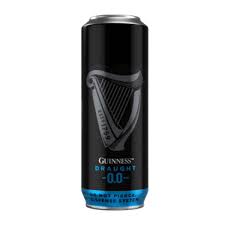
For venues with a stronger draught-led identity, GUINNESS MICRODRAUGHT 0% NA 24 X 558ML CANS at £54.50 gives you a poured, pub-authentic serve without a dedicated line.
Curating a premium soft drink list is a four-step process: audit what you already sell, choose one drink per customer need, price it against your alcoholic equivalents, and merchandise it like the rest of the menu.
| Step | Action | Time Needed | Frequency |
|---|---|---|---|
| 1. Audit | Review 4 weeks of soft drink sales by line | 1 hour | Quarterly |
| 2. Select | Pick one drink per need: energy, calm, gut health, refreshment | 2 hours | Twice a year |
| 3. Price | Set GP% in line with your spirits and wine | 30 minutes | On each price change |
| 4. Merchandise | Add to main menu with garnish and glassware notes | 1 hour | Each menu refresh |
The step most bars skip is the second one. Without a clear reason for each line to exist, you end up with four drinks that all do the same job and one that nobody orders.
Pairing follows the same logic as wine. Match weight with weight and acidity with richness.
You can also use functional drinks as mixers. A nootropic or adaptogen base with a measured spirit gives you a low-alcohol cocktail that still feels like a proper drink, which suits customers pacing themselves across a long evening.
Most articles on functional drinks stop at the trend. Bar owners need the arithmetic. The reason functional soft drinks belong on your list is not that they are fashionable, it is that a canned or bottled serve is a fixed cost with a fixed yield, and that predictability is worth more than a headline margin.
Draught beer carries costs that never appear on the keg invoice: line cleaning, wastage from the first pull of the day, over-pour, and the keg that goes flat in a quiet week. A packaged functional drink has none of those. You buy it at a known cost per unit, you sell it at a known price, and the only variable is whether it sells at all.
A common pattern among independent operators is to treat functional soft drinks as a low-value category and price them accordingly (gov.uk). That is the mistake. If a customer is prepared to pay £5 for a cocktail, they will pay £4.50 to £5.50 for a functional serve in the same glassware with the same garnish. Price it like a soft drink and you train the customer to see it as one.
Work backwards from the price point, not forwards from the cost. Decide what the serve sells for, then decide what cost per unit makes that price viable at your target gross profit percentage. Most operators running a premium soft drinks list aim for a GP% in the same band as their wine and spirits rather than their mixers, because the customer experience is closer to the former than the latter.
A worked example using a packaged alcohol-free stout at £29.79 per 24 x 440ml works out at roughly £1.24 per unit. Sold at £5.00, that is a gross profit of £3.76 per serve, or a GP% of about 75%. The same maths on a £21.89 case of 24 x 330ml alcohol-free lager gives a unit cost of roughly £0.91, which at £4.50 is a gross profit of £3.59 and a GP% of about 80%. Run the numbers on your own price points before you commit to a range, the case price is only half the story.
Functional drinks need the same discipline as any other line, with two additions:
Swallow Drinks has supplied the on-trade for over 40 years as a family-run independent wholesaler, and the case prices above are drawn from our low and no alcohol range. If you want a second opinion on what to list and how to price it, register for a trade account at webtrade.swallow.uk.com and we will talk you through the range against your existing menu.
Rollout fails at the briefing stage more often than at the buying stage. If your team can't describe what a drink does in one sentence, they won't recommend it, and it will sit. The venues that make functional drinks work treat the rollout as an operational project, not a stock decision.
Train staff on three things per product, and nothing more:
A short pre-shift tasting does more than a printed sheet nobody reads. Pour a measure for each team member, give them the three sentences, and have them say it back. Repeat it at the next two pre-shift briefings and it sticks. The test is simple: if a member of staff cannot describe the drink in one sentence to a customer who asks "what's that?", it will not sell.
Put the functional range on the same shelf as your best-selling spirits, not tucked in the bottom of the fridge. Staff sell what they can see, and customers order what's in their eyeline. On the menu itself, give each functional drink the same treatment as a cocktail: a name, a one-line descriptor, and a garnish note. A line such as "botanical, lightly bitter, no alcohol" removes the need for the customer to ask, and sales lift when they don't have to.
Shelf-stable cans and bottles need nothing more than a cool, dark store and date rotation. Probiotic and fermented products are different: they are typically shorter-dated and may need chilled storage from delivery, so check the label before you commit fridge space. Rotate by date, keep the shortest-dated stock at the front, and review par levels monthly against actual sales rather than against what you hoped would sell.
Two areas need attention. First, alcohol-free labelling: products must meet the thresholds for "alcohol-free" and "low alcohol" claims, and staff should know the difference so they answer customer questions accurately. The Food Standards Agency guidance on low alcohol descriptors sets out what those terms mean. Second, allergen information: functional drinks can contain allergens, and your allergen matrix needs to cover them alongside food. The Food Standards Agency allergen guidance explains the 14 allergens that must be declared, and Natasha's Law requirements apply to any pre-packed for direct sale items.
For age-restricted sales, your existing Challenge 25 policy covers alcohol-free beers that look like their alcoholic equivalents. Staff should still ask, because the packaging is often near-identical.
If you want help building the range itself, Swallow Drinks has supplied the on-trade for over 40 years and stocks a dedicated low and no alcohol range built for bars. Register for a trade account at webtrade.swallow.uk.com and we will help you match the list to your menu.
It depends on the drink and the ingredient. Some functional drinks contain probiotics, antioxidants or adaptogens that support gut health, hydration and stress management, and these have a reasonable evidence base behind them. Others lean on nootropics or bioactive compounds where the science is less settled. For bar operators, what matters most is that customers believe in the benefit and will pay more for it, so stock products with clear labelling and honest claims rather than vague wellness language.
Functional drinks typically carry a higher price point than standard mixers because customers see them as premium, wellness-focused options rather than a commodity. That means a better margin per serve, especially when they replace a discounted soft drink. They also lift average spend in rounds where one person is not drinking alcohol, since the group no longer defaults to the cheapest option on the list. Pair them with food to push spend higher again.
Look for probiotics for digestive health, adaptogens for stress management, antioxidants and bioactive compounds for general wellness, and nootropics for cognitive function. Sugar reduction and a clean label matter too, because health-conscious customers read the back of the can. For a bar list, prioritise drinks with a clear single benefit and a flavour that works on its own or as a mixer, rather than a long list of ingredients that is hard to explain at the till.
It depends on the wholesaler and whether the product is already in their portfolio. A local supplier with established relationships can often add a niche label or craft option within days rather than weeks, especially if it is already listed. When you register for a trade account, you can check live availability, build an order and get consistent six-day-a-week delivery, so a new functional drink can go on the menu without waiting for a one-off special order.
Members of:


AWRS Registration Number: XJAW00000100730