Aug 23, 2026
Last Updated: August 23, 2026
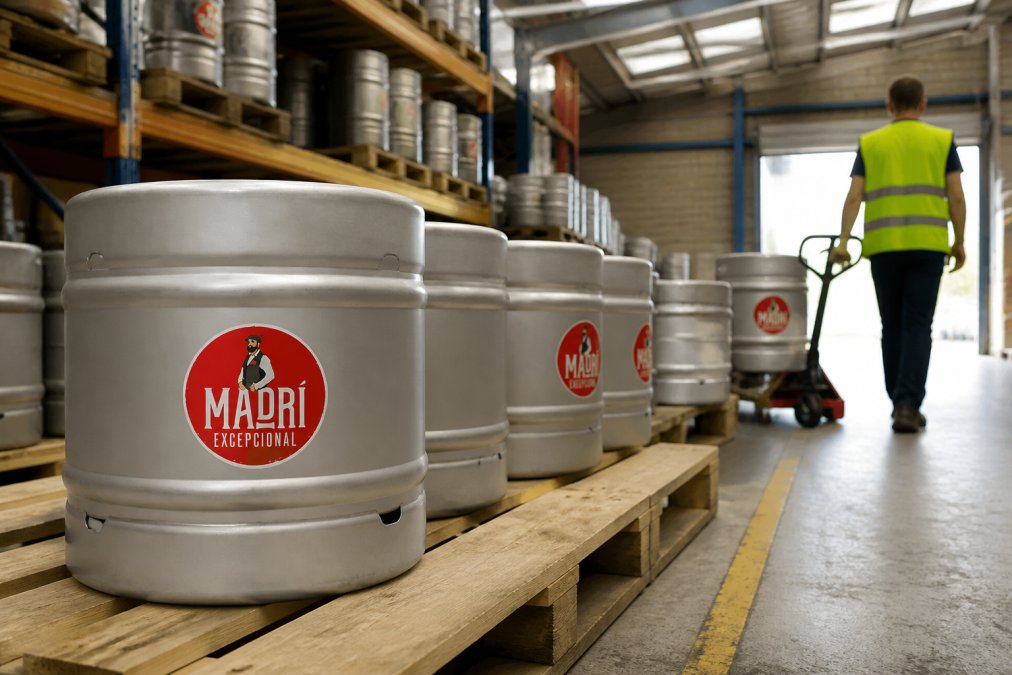
Wholesale drinks distribution is the supply chain process that moves drinks from manufacturers and producers directly to hospitality businesses, pubs, bars, restaurants, and hotels, in bulk quantities. Rather than purchasing individual bottles from retail shops, hospitality venues source their entire stock through wholesalers who specialise in on-trade supply.
Wholesale drinks distribution operates under different commercial terms than retail. Businesses buying through a wholesaler receive volume pricing, dedicated account management, and logistics tailored to their operational needs. A pub manager ordering 10 cases of lager at a time pays per-case rates far lower than buying the same volume from a supermarket shelf.
At Swallow Drinks, we've spent over 40 years understanding what independent venues actually need from their supplier. A proper wholesale partner knows your menu, understands your customer base, and can advise on stock rotation, seasonal trends, and new product opportunities. That's the difference between a transaction and a partnership.
The wholesale drinks sector serves two distinct channels: on-trade (licensed venues serving drinks to customers on premises) and off-trade (retail shops selling drinks for consumption elsewhere). This guide focuses on on-trade supply, where the majority of independent hospitality businesses source their stock.
The UK drinks distribution market operates through several distinct tiers. National drinks wholesalers offer breadth of range and standardised systems. Below them sit independent wholesalers serving specific regions or specialising in particular drink categories, often providing deeper relationships and more flexible service for smaller accounts.
The distribution network has consolidated significantly over the past decade. The on-trade sector, where independent pubs, bars, and restaurants source their stock, relies on a mix of national and regional wholesalers. According to UK hospitality sector supply chain analysis, independent venues increasingly prefer working with regional suppliers who understand their specific market dynamics rather than treating them as one account among thousands.
The wholesaler you choose fundamentally shapes your operational flexibility. A national operation might offer 5,000 SKUs but require minimum orders that force you to hold excess stock. A specialist independent wholesaler might offer 1,500 carefully curated SKUs but give you the flexibility to order smaller quantities and adjust your mix weekly based on what's actually selling.
The structure also reflects post-Brexit realities. Import logistics have become more complex and compliance requirements have tightened. Smaller wholesalers who understand the regulatory environment and have already navigated supply chain disruptions often outperform larger operations still adjusting to the new framework.
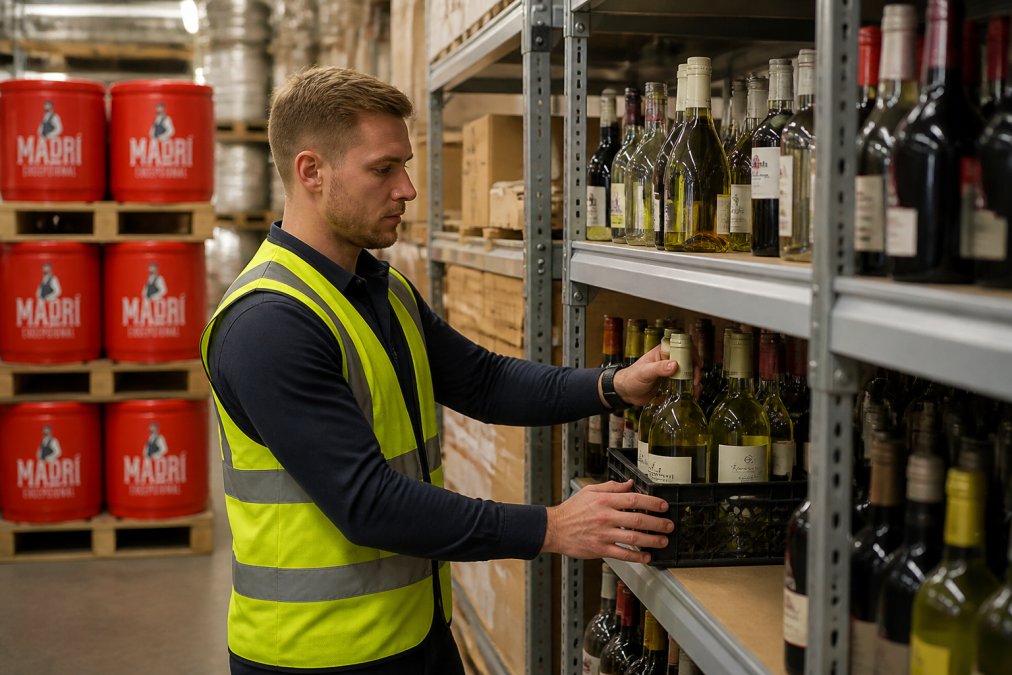
These two distribution channels operate under fundamentally different commercial and regulatory frameworks.
On-trade supply serves licensed venues where customers consume drinks on the premises. This includes pubs, bars, restaurants, hotels, nightclubs, and gastropubs. On-trade venues buy in bulk, typically kegs, cases, or pallets, at wholesale prices. The supplier's job includes delivery logistics, stock rotation guidance, and often menu consultation. Payment terms are typically monthly accounts rather than cash-and-carry.
Off-trade supply serves retail outlets where customers purchase drinks to take away. This includes bottle shops, supermarkets, and convenience stores. Off-trade orders are usually smaller, payment is often upfront or on shorter terms, and the supplier's relationship is more transactional.
An on-trade supplier needs to understand your draught systems, your peak trading times, your customer preferences, and your space constraints. They're managing your stock availability across a week when you might run out on Saturday night. Swallow Drinks specialises exclusively in on-trade supply. We understand the rhythm of hospitality venues because we work with them every day. A Friday night stockout isn't just a missed sale, it's a customer walking to a competitor and potentially not coming back.
Many independent venues start by mixing suppliers, perhaps using a national wholesaler for standard lines and a specialist for craft beers or premium wines. Over time, they often consolidate because managing multiple accounts, multiple delivery schedules, and multiple invoice processes creates administrative friction.
Opening an account with a wholesale drinks supplier is straightforward. Most wholesalers require basic business information: your trading name, business registration details, your premises address, and your licensing status. For on-trade venues, you'll need to verify that your premises is properly licensed for alcohol service.
You'll typically complete an application form and provide references. Some suppliers ask for bank details or a credit check to establish payment terms. The timeline typically runs two to three weeks from application to first delivery, though this varies depending on how quickly you provide documentation.
At Swallow Drinks, we've simplified this process. Our account team handles everything by phone and email. Once approved, you gain access to our trade ordering platform, where you can place orders 24/7, track deliveries, and manage your account online.
Many venue operators worry about minimum orders or long-term contracts. Legitimate wholesalers compete on flexibility. If a supplier demands punitive minimums or long-term commitments, that's a signal to look elsewhere. Your account should work for your business, not the other way around.
Once your account is active, you'll typically have a dedicated account manager who knows your venue, understands your menu, and can advise on stock planning. This relationship is where wholesale supply adds real value beyond just delivering stock.
Bulk wine and spirits are typically delivered in cases (usually 12 bottles per case for standard wines, varying for spirits) or on pallets for very large orders. Most on-trade venues order between 5 and 50 cases per delivery, depending on their size and trading pattern.
Delivery frequency matters significantly. Many wholesalers offer five or six-day-a-week delivery schedules. This means you can order small quantities more frequently, rather than stockpiling large volumes. For a small independent bar, this flexibility is crucial, it lets you order what you'll actually sell rather than tying up cash in excess stock.
Delivery reliability directly impacts your menu planning. If your supplier consistently delivers on the day promised, you can confidently feature wines or spirits on your menu knowing they'll be in stock. Temperature control matters for wine delivery, particularly for premium bottles. Reputable wholesalers use insulated vehicles and avoid leaving stock in direct sunlight.
Pricing for bulk orders typically works on a tiered structure. Larger orders or regular repeat purchases may qualify for better pricing. Understanding this structure helps you negotiate effectively and plan your margins.
Payment terms for bulk orders are usually monthly accounts. You receive an invoice and pay within agreed terms, typically 14 to 30 days. This is standard across the industry and allows you to manage cash flow without paying upfront for every delivery.

Effective stock management is the difference between healthy margins and waste.
Rotation is fundamental. First in, first out (FIFO) is essential. Older stock must be used before newer deliveries. This prevents bottles sitting on shelves past their prime, reduces waste, and ensures customers always get fresh product.
Track what actually sells. Many venues guess at their stock needs based on feeling rather than data. Effective managers count what they sell daily or weekly and adjust orders accordingly. Over time, you'll see patterns, Friday nights drive certain drinks, quiet Tuesdays favour others.
Understand your margins. Different drinks carry different margins. Premium wines might have 60-70% gross margin, standard beers might be 40-50%. Understanding which products are actually profitable helps you make intelligent decisions about what to feature and what to stock.
Communicate with your supplier. If you're regularly running out of a particular item, tell your supplier. If you're consistently over-ordering certain products, tell them. A good wholesaler will adjust your delivery patterns and even suggest menu changes based on what's actually moving.
Plan for seasonality. Gin sales spike in summer. Whisky and brandy sales increase in winter. Christmas trading patterns differ from January. Anticipate these shifts and adjust your stock accordingly.
Minimise dead stock. Slow-moving items tie up cash and shelf space. Review your stock regularly and reduce orders for items that aren't selling. Your supplier can usually help identify which products are moving across similar venues.
Establish a weekly review routine. Spend 15 minutes checking what sold, what's left, and what you need to reorder. This simple discipline prevents most stock management problems.
Selecting a wholesaler is one of the most important operational decisions you'll make as a venue operator. The wrong choice creates ongoing friction. The right one becomes a genuine business partner.
Start with reliability. Can they actually deliver when they promise? References from other venue operators are invaluable. Ask directly: "Do they deliver on time? If something goes wrong on a Friday night, can you actually reach someone?"
Range matters, but not in the way many assume. A wholesaler with 2,000 carefully selected SKUs serving independent venues often outperforms one claiming 5,000 products. The question is whether they stock the products your customers actually want and whether they understand your menu concept.
Flexibility is critical. Can they accommodate smaller orders? Will they work with you to adjust delivery schedules? Can they source niche products if you want to feature something special? A wholesaler who treats every account identically will frustrate you.
Transparency in pricing is non-negotiable. You should understand exactly what you're paying for each product. Hidden fees or pricing that changes without notice are red flags. Legitimate wholesalers are transparent about their pricing structure.
Account management quality separates good wholesalers from great ones. Do you have a named contact who knows your business? A dedicated account manager who understands your venue, your menu, and your challenges is worth significantly more than a slightly cheaper rate with anonymous service.
Swallow Drinks operates as an independent family business. We've built our reputation over 40 years serving independent venues across the region. We're not a national chain treating your account as one of thousands. Your business matters to us because we're accountable to you directly. We know your venue, we understand your challenges, and we're invested in your success.
When evaluating any wholesaler, ask about their post-Brexit compliance processes. A wholesaler who understands current import regulations and can navigate them reliably is worth more than one still struggling with the new framework.
Selecting a wholesale drinks distribution partner shapes your operational flexibility, your margins, and ultimately your customer experience. The decision isn't just about price, it's about finding a supplier who understands your business, delivers reliably, and genuinely supports your success.
Independent venues across the region have found that working with Swallow Drinks solves the core challenges that plague wholesale relationships. Our 40 years of experience, our commitment to reliable six-day-a-week delivery, and our deep understanding of on-trade operations mean you're working with a partner who gets it. We can source premium wines, craft beers, and spirits that differentiate your menu. We offer transparent pricing without hidden surcharges. And we're genuinely accountable to you, not a call centre, but a real team who knows your venue.
To get started, register for our trade ordering platform at Swallow Drinks trade account and speak with our account team about your specific needs. We'll work with you to build a stock strategy that works for your business.
Look for independent wholesalers with established track records serving the on-trade sector in your area. Check their product range, delivery capabilities, and whether they offer six-day-a-week service. Ask about their experience with businesses like yours and request references from existing customers. Swallow Drinks, for example, has over 40 years of experience supplying premium wines, spirits, beers, and soft drinks to hospitality venues across the region.
Independent wholesalers typically offer personalised service, flexible ordering, and deeper knowledge of local markets and niche brands. National wholesalers operate at scale but may offer less tailored support. For independent pubs, bars, and restaurants, independent wholesalers often provide more responsive customer service and the ability to source specialist and local drinks labels quickly.
Most independent wholesalers can activate an account within days. You'll need to complete trade account registration, provide business details, and agree to payment terms. Many suppliers, including Swallow Drinks, offer online ordering platforms like webtrade to streamline the process once your account is live. This allows you to manage orders and stock more efficiently.
Evaluate product range (wines, spirits, beers, soft drinks), delivery frequency and reliability, pricing transparency, minimum order quantities, and the level of menu consultation they provide. Ask whether they can source niche and local labels, and confirm their service level agreements. A supplier committed to your success will understand your menu strategy, not just process orders.
Members of:


AWRS Registration Number: XJAW00000100730