Nov 10, 2026
Last Updated: November 8, 2026
Quick Summary
Stocking local artisan drinks helps a venue stand out on a crowded menu, gives staff real stories to share with guests, and keeps spending within the regional economy. A focused range of two or three strong local lines, promoted clearly, works better than a long list of obscure products.
Local artisan drinks are small-batch products made by independent producers close to where they are sold, and they have become a popular choice for pubs and restaurants looking to refresh their menus. Swallow Drinks, a family-run independent wholesaler with over 40 years in business, supplies a wide range of wine, beer, spirits and soft drinks to the on-trade.
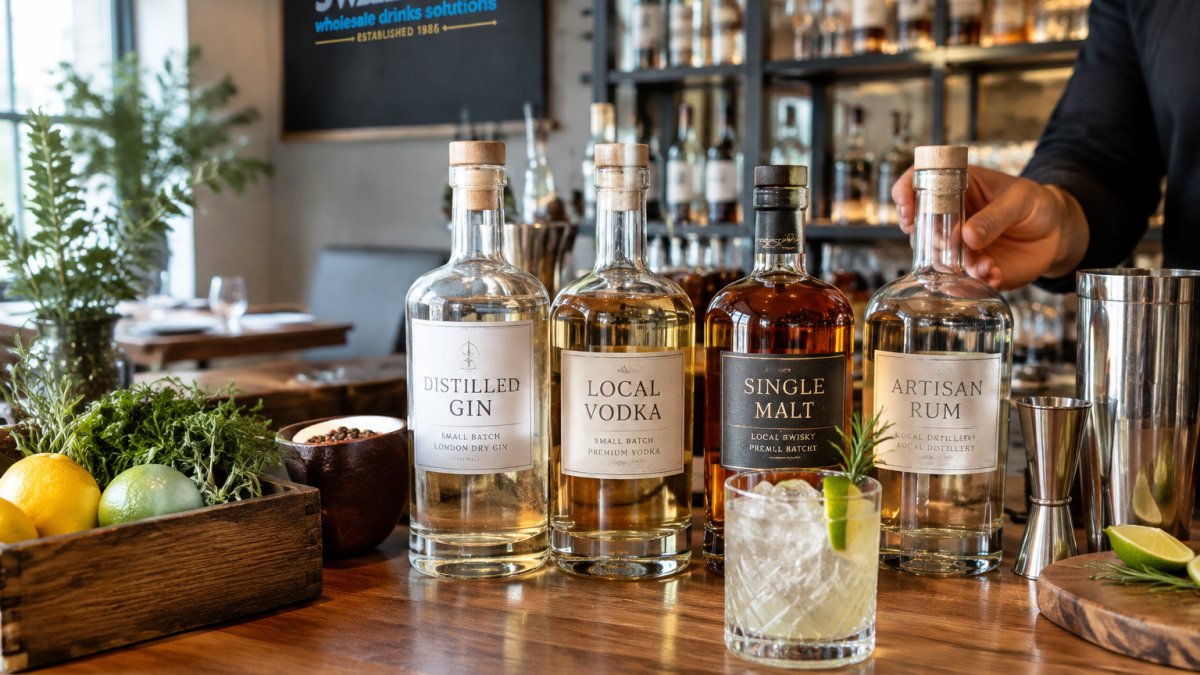
The category is broader than many venues assume. It includes cloudy lemonades, ginger beers, sodas, craft ales and small-run spirits. Each is recognised by its origin story and its distinctive recipe rather than by mass-market branding.
Stocking them is a practical decision. A venue has to think about shelf life, delivery frequency and how each product fits the drinks list. You can browse the full soft drinks categories to see how drinks sit beside mixers and mineral waters.
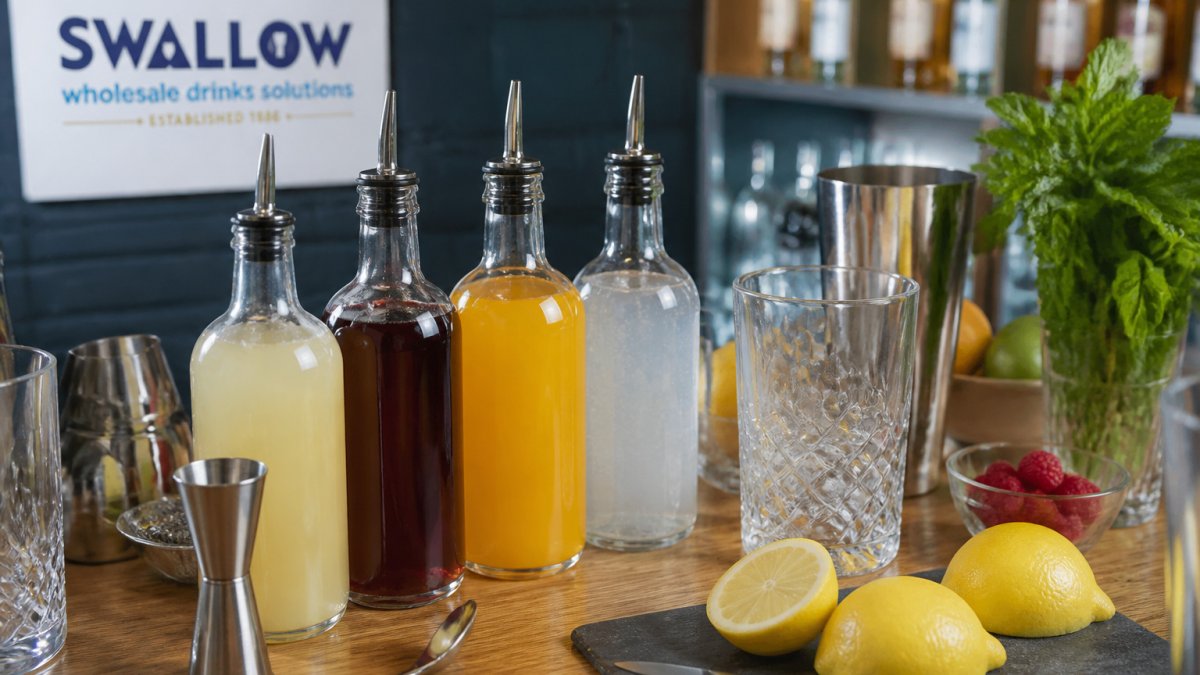
Most menus list the same big brands, so distinctive local artisan drinks give guests a reason to order. A cloudy lemonade and bergamot soda, for example, gives a bar a serve that few neighbouring venues can match. Staff can describe where it comes from, which gives them something real to talk about at the bar.
A named, local product also works well on a menu. Guests often choose a drink they have not seen before, especially when it is presented with a short description.
Standing out does not mean stocking dozens of obscure lines. A focused selection of two or three strong local products, promoted clearly, often does more for a drinks list than a long, undifferentiated one.
Buying from local producers keeps money in the regional economy. When a venue sources from a small independent maker, a larger share of the spend stays with businesses and workers in the area.
Independent producers also tend to have shorter supply chains. Shorter distances can reduce transport emissions and make it easier to ask direct questions about ingredients and production methods. Venues that want to report on their own environmental impact can use this as a practical talking point, though they should check the specifics with each supplier rather than assume.
There is a relationship benefit too. Working with a regional producer can open up conversations about small runs, seasonal lines and new flavours that a national brand would not offer.
Smaller production runs often mean fresher product and more distinctive flavour. Local lines can be introduced more quickly than national brands, which helps a venue keep its list current. That variety matters when regulars come in looking for something they have not tried.
Freshness depends on storage and rotation, so a venue should check best-before dates on delivery and rotate stock carefully. Ask your supplier about the shelf life of each line before adding it to the menu, as this varies between products and is not something to guess.
Variety also helps across categories. Alongside local alcoholic drinks, many venues now want good non-alcoholic options, and Swallow Drinks stocks low and non-alcoholic drinks for guests who are driving or choosing not to drink.
The article's points on freshness and variety come together in the table below.
| Freshness factor | What the article says | Action for your venue |
|---|---|---|
| Production runs | Smaller runs often mean fresher product | Favour small-batch lines |
| Best-before dates | Check on delivery | Check every delivery |
| Stock handling | Rotate carefully | Rotate stock regularly |
| Shelf life | Varies between products | Ask supplier before listing |
| Product range | Local lines added quickly | Keep the list current |
Start by asking a wholesaler which local producers it already works with, and whether it can supply local artisan drinks alongside its wider range. A good supplier should be able to explain where each product is made, who makes it and what volumes they can reliably deliver. Ask about minimum order quantities, delivery days and what happens if a line runs out mid-season.
Due diligence matters more with smaller producers. Before listing a local drink, check capacity, consistency, food safety and delivery reliability with the producer, and ask for their answers in writing.
Ask for samples where possible. Tasting a product before listing it helps you judge quality and whether it suits your customers. Pricing depends on quantity, dates and delivery, so request a current quote from the supplier rather than relying on published estimates. Swallow Drinks serves the on-trade across Birmingham and the surrounding areas, and you can register for trade ordering to see the wider range.
Watch out: relying on a single small producer for a hero line leaves you exposed if they have a bad batch or a production delay. Keep a named alternative, even a similar style from another local maker, so you can substitute without rewriting the menu.
Name the producer and the drink together. A line such as "Pink grapefruit soda from a West Midlands producer" tells guests something specific. Keep descriptions short, two or three lines at most, and focus on flavour and what makes the drink different.

Train staff to recommend the local range. A bartender who knows where a drink comes from and how it tastes will sell it more often than one reading from a list. A short tasting briefing before service is usually enough.
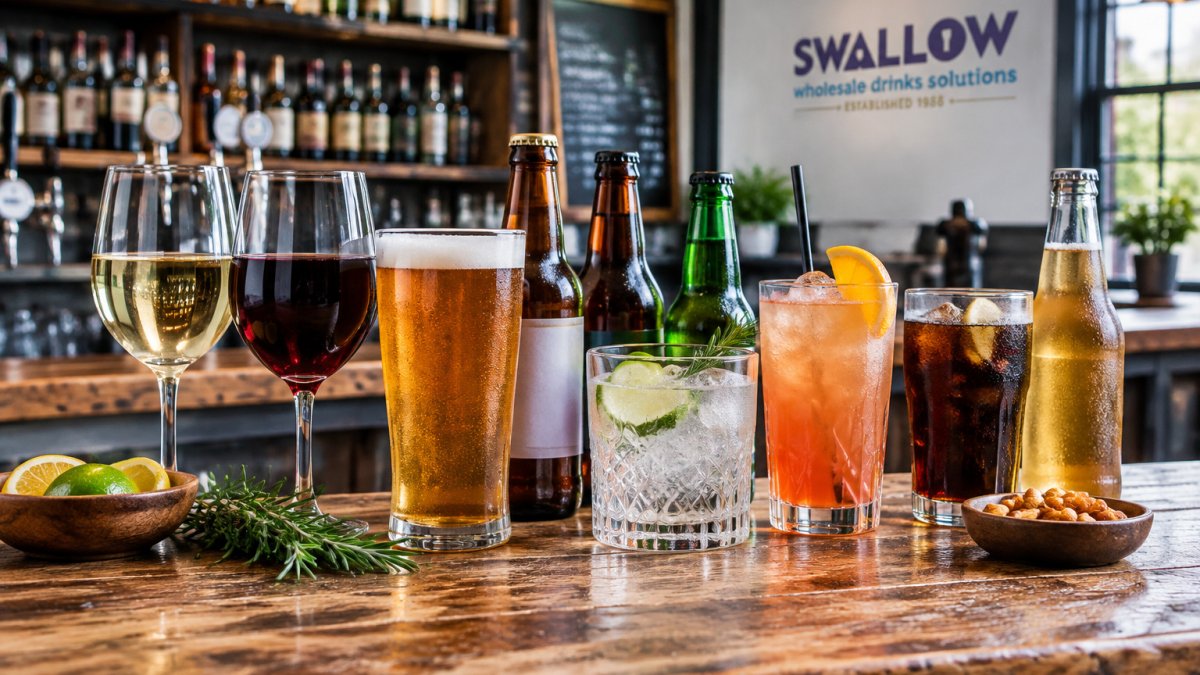
Use the bar itself. A chalkboard, a tent card or a rotating feature can draw attention to one local product at a time. Rotate features regularly so the menu feels fresh, and track which items sell so you can decide what to keep. A bartender in a busy pub presenting a glass of local craft ale is a strong image for this kind of promotion.
Begin with a small, balanced range of local artisan drinks rather than a large one. A sensible starting point is two or three local artisan lines, such as a cloudy lemonade, a ginger beer and a soda, alongside one reliable mixer. You can browse low and non-alcoholic drinks and soft drinks categories to build a range that covers drinkers and non-drinkers alike.
Treat the first month as a trial with numbers attached. Track sell-through per line (units sold against units stocked) and how often each line appears in rounds rather than as a single serve. A local line that sells steadily at a healthy margin is worth keeping; one that sits on the shelf is tying up cash and space. Review the figures weekly rather than monthly so you can adjust before a slow line becomes dead stock.
Storage and rotation decide whether a local drink tastes as good in week four as it did on delivery. Check best-before dates on arrival and rotate stock so the oldest goes first. Chilled lines need consistent refrigeration; ambient lines need a cool, dark store away from strong smells. Ask your supplier for the shelf life of each product before you list it, because this varies widely between categories and is not something to guess.
Watch out: over-ordering a new local line to hit a minimum order quantity can leave you with waste if it does not sell. Order the smallest viable quantity first and let repeat purchases justify a larger drop.
To get started, register for trade ordering with Swallow Drinks. Trade registration gives you access to the wider portfolio. Local drinks are easy to add once you know which ones suit your venue.
Stocking local artisan drinks gives a venue a distinctive range that competitors may not carry, which helps it stand out on a crowded high street. Local producers often offer small-batch products with clear provenance, and guests tend to value a story they can share. Buying from nearby suppliers also shortens delivery distances, which can improve freshness and reduce transport emissions. Many venues find that a well-chosen local range encourages repeat visits and customer loyalty over time. For a practical starting point, choose a small number of local lines, track how they sell, and expand the range where demand is clear.
Start by asking your existing wholesaler whether it carries regional or independent producers, then search for producers within your area through trade directories and local food and drink networks. Visit tastings or trade events where you can speak to producers directly about minimum orders, delivery areas and pricing. Compare how each supplier handles stock levels, delivery frequency and support when something goes wrong. Pricing depends on quantity, dates and delivery, so request a quote from each supplier rather than relying on published figures. Swallow Drinks can also help you source niche and local labels, and you can register for trade ordering at https://webtrade.swallow.uk.com/.
Describe each local drink with its producer name, origin and what makes it distinctive, such as the ingredients or production method. Group local products into a clearly labelled section so guests can find them quickly. Train staff to explain the drinks briefly and to suggest pairings with food. Use table tents or a short note on the menu to tell the story behind a producer. Track which local drinks sell best and feature them more prominently, changing the selection when seasonal options become available.
Check whether the drink fits your customers' tastes, your price points and your existing menu. Confirm the producer can supply consistent quantities, and ask how long stock keeps and what the shelf life is once opened. Consider storage space, since small-batch products may arrive in limited runs. Test the drink with a small order before committing to a full line. Non-alcoholic options from local producers are also worth considering for guests who prefer them, and you can explore the range at https://www.swallow.uk.com/products.php?prd=low-and-non-alcoholic.
Members of:


AWRS Registration Number: XJAW00000100730