Aug 20, 2026
Last Updated: August 20, 2026
A strong independent bar supply chain is the backbone of every successful hospitality venue. Without reliable procurement processes, transparent supplier relationships, and effective stock management, even the best bar concept struggles to deliver consistent service. The difference between a bar that thrives and one that merely survives often comes down to how well you manage your supply chain.
For independent bars in particular, supply chain efficiency directly impacts profit margins. When you're competing against larger chains with established distribution networks, your ability to source quality drinks at competitive prices becomes a strategic advantage. Swallow Drinks has spent over 40 years helping independent bar operators across the region build supply chains that work, reliable, transparent, and built for small-scale operations that can't absorb the inefficiencies bigger venues tolerate.
The stakes are real. A broken supply chain means empty shelves on Friday nights, cash tied up in excess stock you can't move, or paying premium prices for emergency orders. Conversely, a well-managed independent bar supply chain means predictable costs, better cash flow, and the ability to stock what your customers actually want to drink.
This guide covers seven practical strategies that independent bar operators use to build supply chains that deliver consistency without complexity.
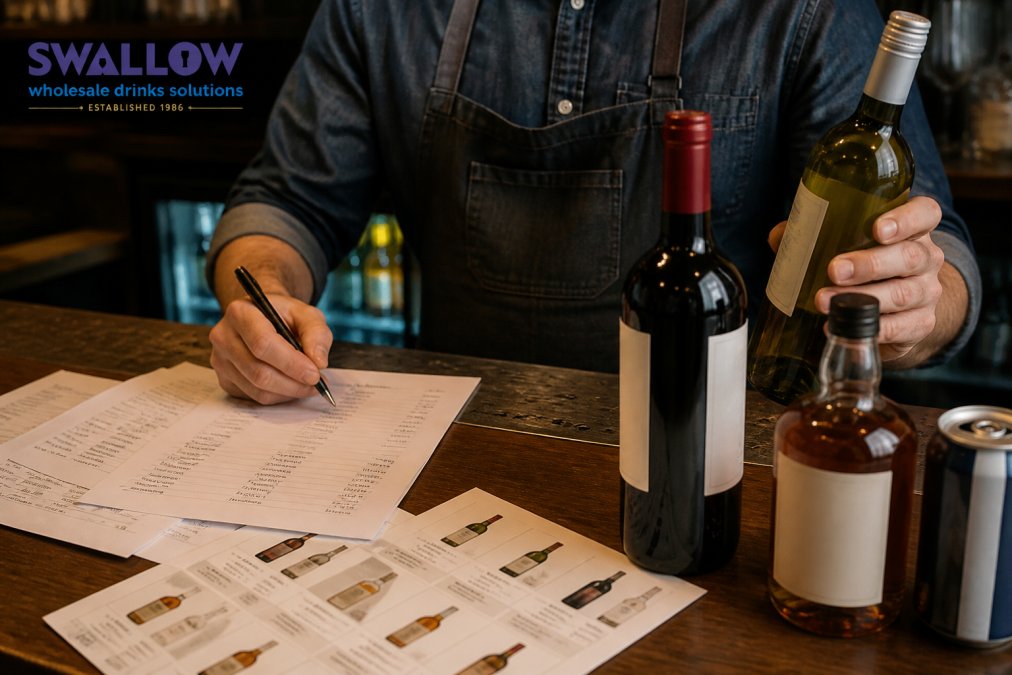
Choosing the right drinks supplier is the first critical decision. This isn't just about finding someone with competitive pricing, it's about finding a partner who understands your venue, respects your constraints as a small operator, and can actually deliver what they promise.
Start with reliability. A supplier who promises six-day-a-week delivery but leaves you short on Saturdays hasn't solved your problem; they've created a different one. Ask prospective suppliers for references from similar-sized venues. Specifically ask whether they've experienced stock-outs or missed deliveries during peak trading periods. The answer to that question matters more than their headline pricing.
Transparency in pricing is non-negotiable. Hidden fees, surcharges that appear after you've committed, or pricing structures that change without notice destroy trust and make budgeting impossible. Work with suppliers who publish clear pricing, explain any volume-based discounts upfront, and commit to advance notice if terms change. Swallow Drinks, for example, operates on transparent pricing with no hidden fees, you see what you're paying and why.
Consider the supplier's product range and flexibility. Can they stock mainstream brands you know will move, plus niche or local labels that differentiate your bar? Can they source something new quickly if you want to add it to your menu? A supplier with deep relationships across the drinks market, craft breweries, independent winemakers, premium spirit producers, gives you options that larger, more rigid wholesalers can't match.
Finally, assess their willingness to help with menu planning and stock recommendations. A good supplier doesn't just take orders; they understand your venue type, your customer base, and your margins. They can suggest what to stock, help you avoid dead stock, and advise on pricing. This is where working with an independent wholesaler like Swallow Drinks pays dividends, they have the flexibility and local knowledge to offer genuine guidance, not just order-taking.
Stock management for independent bars is fundamentally different from managing stock in a large chain. You have limited storage space, tighter cash flow, and less predictability in demand. These constraints require a different approach.
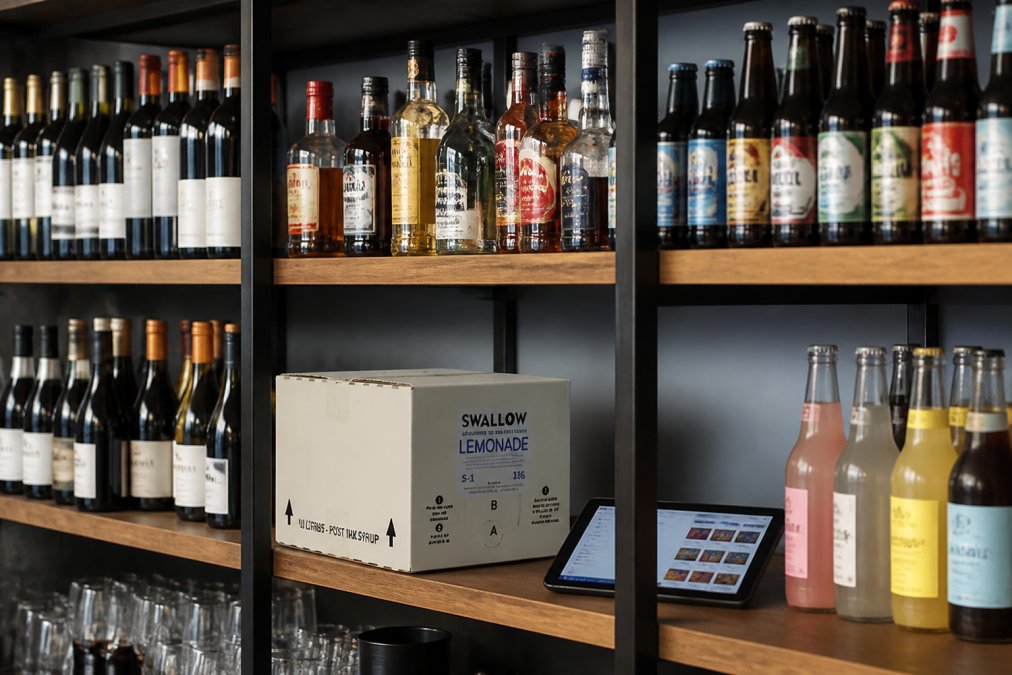
The first principle is ruthlessness about slow-moving stock. Every bottle that sits on your shelf for weeks is cash not working for you. Track what actually sells. If a premium spirit or wine doesn't move within a reasonable timeframe, stop ordering it. This sounds obvious, but many independent bar operators hold onto slow stock out of habit or hope. Data beats hope. Use simple tracking tools, even a spreadsheet works, to flag items that aren't performing.
Implement a par-level system tailored to your space and sales patterns. A par level is the quantity of each product you want on hand at any given time. For a busy Friday night, your par level for popular spirits or soft drinks might be higher than for a quiet Tuesday. Calculate par levels based on your actual sales data, not industry averages. If you sell 10 bottles of a spirit per week and it takes three days to get a delivery, your par level should reflect that rhythm.
Understanding lead times is essential. If your supplier takes five days to deliver after you place an order, you need to forecast demand five days ahead. This is where many independent operators struggle, they wait until stock runs low to order, then face stock-outs because they didn't account for the supplier's lead time.
Work backwards from your sales data. If you sell 20 bottles of a particular drink per week, and lead time is five days, you should reorder when stock drops to roughly 15 bottles. This gives you a buffer. Different suppliers have different lead times, so clarify this upfront. Swallow Drinks offers reliable lead times with six-day-a-week delivery across the region, which helps independent bars maintain tighter stock levels without the risk of running out.
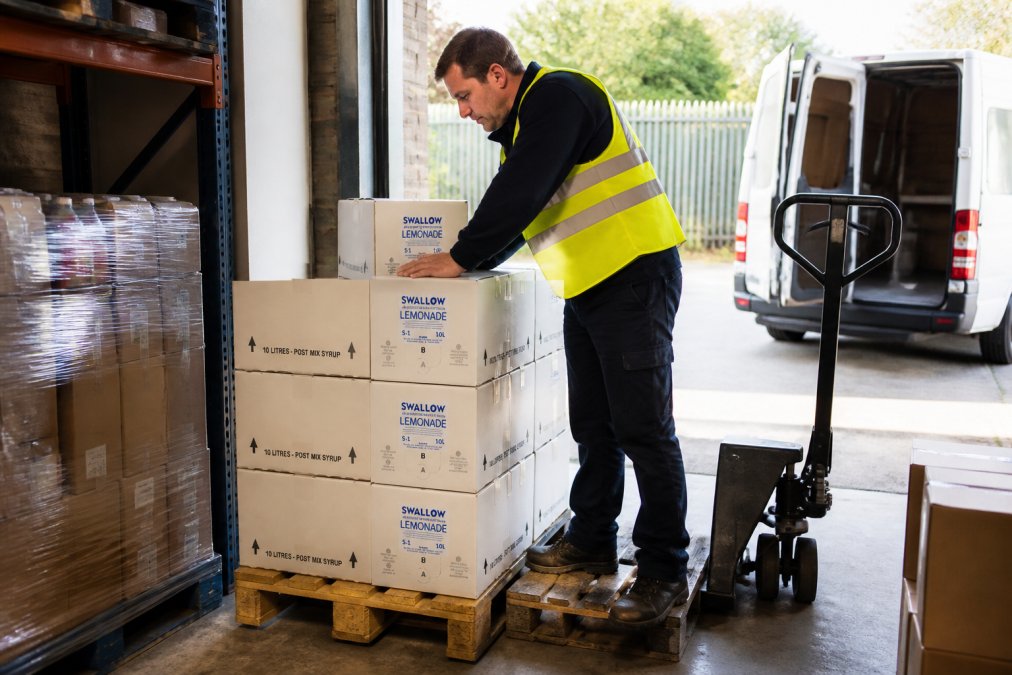
Limited storage is a real constraint for independent bars. You can't bulk-buy at steep discounts if you don't have the space to store it. This is where smaller, more frequent orders actually make sense for you, even if per-unit cost is slightly higher. The trade-off is worth it: you preserve cash flow, reduce waste from spoilage or expired stock, and keep your bar uncluttered.
Prioritise high-turnover items. Soft drinks, popular spirits, and core wines should occupy your prime shelf space. Specialty items or slower-moving stock can be reordered on demand or held in minimal quantities. This maximises the value of every cubic metre of storage you have.
The relationship with your supplier shapes your supply chain more than any other single factor. A supplier who knows your venue, understands your challenges, and is genuinely invested in your success will go further for you than one treating you as just another order.

Start by being a reliable customer yourself. Pay on time, communicate clearly about your needs, and give feedback. If something isn't working, say so, don't just stop ordering. Suppliers who work with independent bars have relationships that matter to them. They're not faceless call centres; they're businesses that depend on your loyalty.
Communicate your business honestly. Tell your supplier what you're trying to achieve with your menu, what your margins look like, and where you're struggling. A good supplier will work with this information to help you stock smarter. They might suggest alternatives to expensive items that still deliver the experience your customers want, or recommend products with better margins that fit your concept.
Visit your supplier if you can. Face-to-face relationships matter. Understanding how they operate, meeting the people who handle your orders, and building genuine rapport makes a difference when you need flexibility or support. For independent bars working with Swallow Drinks, this relationship is built into how we operate, we're local, accessible, and invested in your success.
Ask about support beyond order-taking. Can they help with menu design? Do they offer training on new products? Will they support promotional ideas? The best suppliers add value beyond logistics.
The choice between local and global sourcing involves real trade-offs. Global sourcing can offer variety and sometimes price advantages, but local sourcing builds resilience and supports your community positioning.
Local sourcing, working with regional breweries, independent winemakers, and domestic producers, has distinct advantages for independent bars. You build a story around your stock. Customers increasingly care where their drinks come from. A locally-sourced craft beer or independent wine becomes part of your venue's identity. Local producers often offer better terms to independent bars than to chains, because you represent a direct relationship rather than a transactional one.
Local sourcing also builds supply chain resilience. If global supply chains experience disruption, your local suppliers are less affected. You're not dependent on international logistics. For independent bars, this matters, you can't absorb the delays that larger chains can.
That said, global sourcing expands your options. Premium wines, spirits, and craft products from across Europe and beyond give your menu depth. The key is balance. Stock your core offer locally, the drinks your customers order regularly, the spirits that define your bar. Use global sourcing strategically for specialty items and premium products that differentiate you.
Work with a supplier who has strong relationships both locally and globally. Swallow Drinks sources from local producers across the region alongside premium brands from across Europe, giving independent bars the best of both worlds. This approach lets you build a distinctive menu without compromising on consistency or reliability.
Margins in hospitality are tight. Every percentage point of cost reduction matters. But cost optimisation for independent bars isn't about chasing the cheapest price, it's about getting value.
Start with volume commitments. If you can commit to a consistent weekly order, many suppliers will offer better pricing than you'd get on ad-hoc orders. This doesn't mean buying more than you need; it means being predictable. Suppliers reward consistency because it helps them plan.
Negotiate payment terms. If you're currently paying on delivery, explore paying weekly or monthly. This improves your cash flow. Conversely, if you can pay upfront, some suppliers will offer a small discount. Understand your cash position and negotiate accordingly.
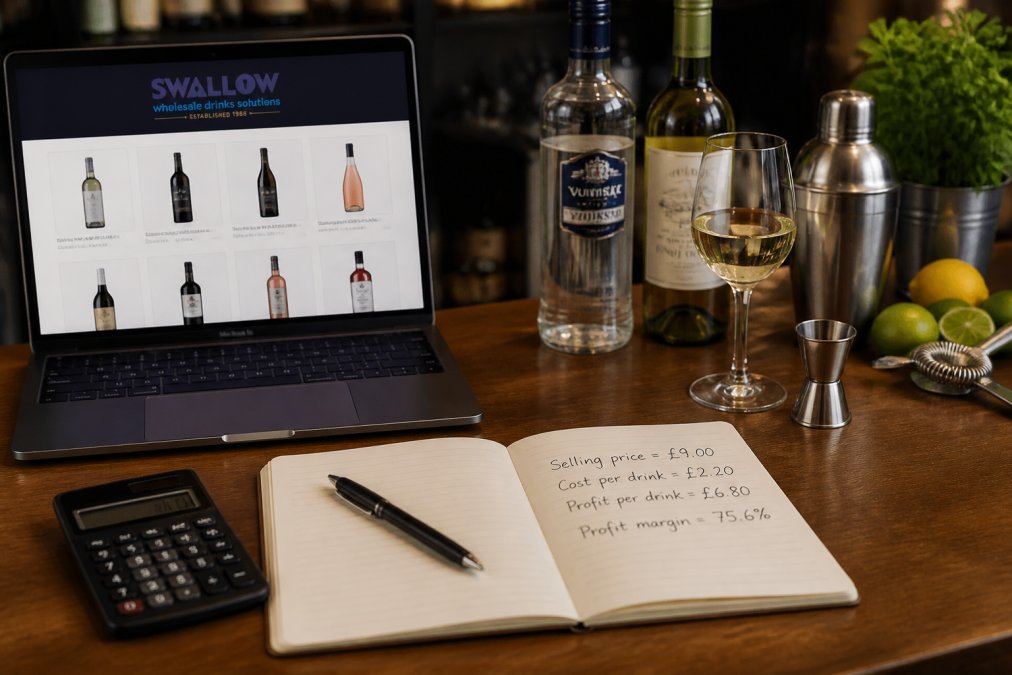
Review your product mix regularly. Some items have better margins than others. Work with your supplier to identify which products deliver the margin you need while still satisfying customer demand. A premium spirit might have a lower margin than a house spirit, but if customers will pay for it, the absolute profit per bottle might be higher.
Use ordering tools that reduce friction and errors. Swallow Drinks' trade ordering platform at https://webtrade.swallow.uk.com/ lets you place orders quickly, track deliveries, and manage your account online. This reduces administrative time and helps you order more efficiently.
Consider the total cost of ownership, not just unit price. A slightly more expensive supplier who delivers reliably, offers better support, and helps you avoid waste might cost less in total than a cheaper supplier who creates inefficiencies elsewhere in your operation.
Supply chain disruption, whether from supplier failure, logistics problems, or external shocks, can cripple an independent bar. Building resilience requires planning.
Diversify your supplier base. Don't rely entirely on one wholesaler for all your drinks. This doesn't mean splitting your order across five suppliers; it means having a primary supplier for the bulk of your stock and a secondary supplier for backup. If your primary supplier experiences a problem, you have options.
Maintain buffer stock on high-priority items. For drinks that are core to your offering and have long lead times, keep slightly higher stock than your par level would suggest. This buffer absorbs disruptions without leaving you short.
Establish clear communication protocols with your supplier. Understand how to escalate issues, who to contact if something goes wrong, and what their commitment is to resolving problems. A supplier who can send someone out to resolve a draught system issue on a Friday night is worth more than one who can only help Monday to Friday.
Document your supply chain. Know which products come from which suppliers, what the lead times are, what your par levels are, and what your reorder triggers are. When disruption happens, this documentation lets you respond quickly rather than improvising.
Work with suppliers who understand business continuity. Swallow Drinks maintains stock levels and delivery capacity designed to support independent venues through busy periods and unexpected demand spikes. This kind of operational commitment to reliability is what separates a true partner from a transactional supplier.
Building a strong independent bar supply chain doesn't require complex systems or massive investment. It requires clear thinking about what you need, honest relationships with suppliers who understand your business, and discipline about execution. The independent bars that thrive are the ones that treat supply chain management as a strategic function, not an administrative chore. When you get this right, you free up time and cash to focus on what actually matters, creating a great experience for your customers. Swallow Drinks has spent over 40 years helping independent hospitality operators build supply chains that work. With transparent pricing, reliable six-day-a-week delivery, and genuine partnership, we're here to support your venue's success. Ready to explore how we can help? Visit the Swallow Drinks trade ordering platform to get started.
A reliable supplier combines consistent delivery, transparent pricing, and genuine support for your business. Look for one with proven experience in the on-trade sector, flexibility on order sizes (crucial for smaller venues), and willingness to help you understand what your customers want. Consistency matters more than lowest price, a supplier who delivers every time you need them protects your profit margins and reputation. Ask about their approach to lead times, whether they stock niche local labels, and how they handle urgent requests on Friday nights.
Cost optimisation starts with accurate demand forecasting so you order only what you'll sell, reducing waste and tying up less cash. Work closely with your supplier to understand margin opportunities on different product lines. Consider bulk options for high-turnover items like soft drinks, bag-in-box syrups, for example, offer better value than individual bottles. Build a strong relationship with a supplier who understands your venue's size and can offer fair pricing without minimum orders that strain cash flow. Digital ordering tools make it easier to track what's selling and adjust orders accordingly.
Local independent wholesalers understand the on-trade sector deeply and can respond quickly to your needs. They're invested in their community and more likely to go the extra mile, faster response times for urgent orders, personalised menu advice, and genuine partnership rather than transactional relationships. They often stock niche and local labels that larger national suppliers overlook. With 40 years of industry experience, independent wholesalers like Swallow Drinks combine extensive product knowledge with the flexibility to support small independent venues that larger chains might deprioritise.
Effective stock management requires balancing demand forecasting with your physical constraints. Track what sells daily and identify your fastest-moving lines, these warrant more frequent, smaller deliveries. Work with a supplier offering six-day-a-week delivery so you're never holding excessive stock. Use digital ordering tools to monitor levels in real time. For high-margin items you sell less frequently, negotiate shorter lead times so you can order closer to when you need them. This approach frees up cash, reduces waste, and ensures freshness, critical for premium wines and craft beers.
Members of:


AWRS Registration Number: XJAW00000100730