Nov 03, 2026
Last Updated: November 2, 2026
Quick Summary
To start a café in Birmingham, write a business plan covering your concept, costs and break-even point, then register your food business with Birmingham City Council at least 28 days before trading. Next, secure premises with the right planning use, buy your core equipment, and line up your drinks supplier before you open.
Every successful café starts with a clear plan, and anyone who wants to start a café should know their numbers before they open.
Your plan does not need to be long. It does need to answer a few hard questions about who you serve and how you will make money.
A common mistake is underestimating how much stock you need on day one. Plan your drinks menu early, because it shapes your supplier relationships, your storage needs and your cash flow.
You must register your food business with your local authority at least 28 days before you start trading (Food business registration). Birmingham City Council handles registration, and its environmental health team inspects premises.
Registering early gives you time to fix any issues an officer raises before you open. Check the Food Standards Agency guidance on registering a food business for the current process and forms.
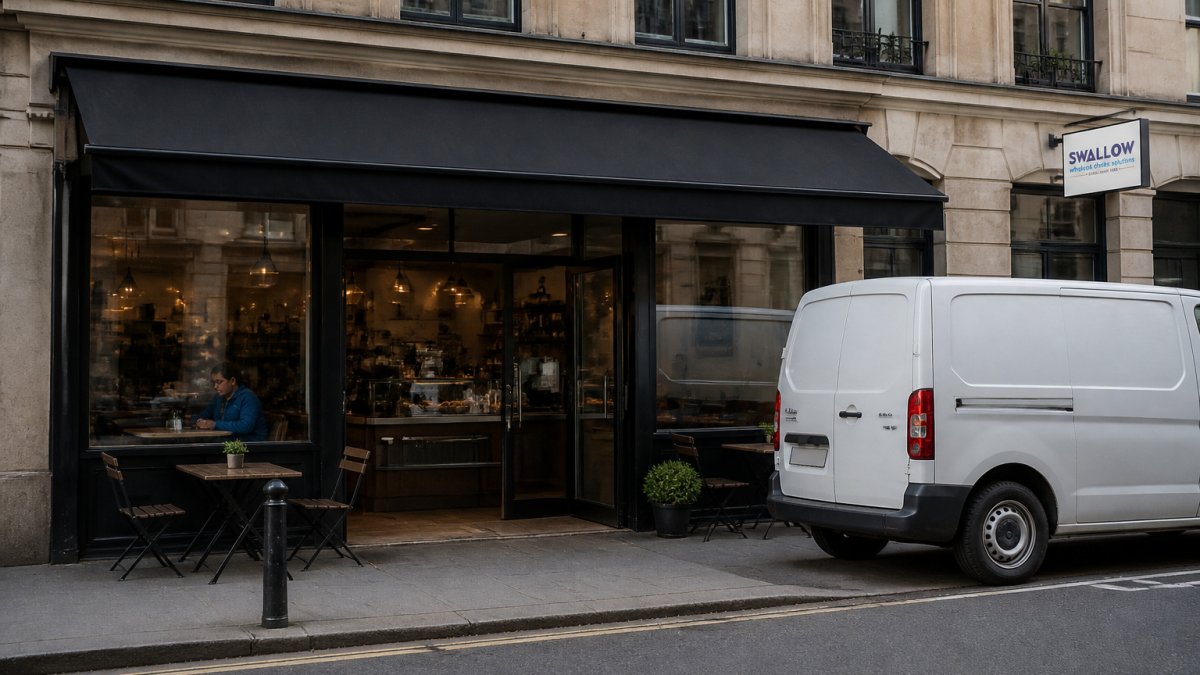
Your premises decide your footfall, your fit-out costs and your running costs, and in Birmingham the difference between two sites a mile apart can be the difference between a viable café and a struggle when you start a café.
Birmingham's café market is not one market.
Walk each candidate street at the times you plan to trade, on a weekday and a Saturday, and count people passing.
Before you sign, confirm the unit has planning permission for café or restaurant use (Use Class E in the current system, which covers food and drink premises). Ask the landlord in writing whether they consent to a café use, extraction and any external seating. A unit that has been a shop may need a change of use, and that adds time and cost to your opening.
Business rates are set by the Valuation Office Agency and billed by the local council. Ask the current rateable value and check whether small business rate relief applies to your unit. Service charges in managed buildings can be substantial, so ask for the last three years of service charge accounts before you commit.
A shorter lease with a break clause gives you room to change course. Ask about rent-free periods for fit-out, dilapidations liability at the end of the term, and whether the lease is inside or outside the Landlord and Tenant Act 1954, that affects your right to renew. Take advice from a commercial property solicitor before signing; the cost is small against the risk.
Watch out: a cheap unit with no extraction route or a restrictive user clause can cost more to fix than the rent saving, so check both before you commit.
Your equipment list depends on your menu, and it is one of the largest single calls on your opening budget. Build it as a spreadsheet with four columns: item, cost, lead time and whether it is essential on day one or can wait.
A café serving espresso needs, at minimum:
If you plan to serve alcohol, add glassware, a bottle fridge and secure storage. Swallow Drinks supplies wine, beer, spirits and soft drinks to the on-trade across the West Midlands, so your drinks supplier can be lined up alongside your equipment list rather than after it.
WENLOCK SPRING STILL 500ML FLAT CAP PET 2DZ →
Espresso machines and grinders can be leased or financed, which spreads the cost. Fridges and small equipment can be bought outright. Second-hand machines can save money, but check service history and whether parts are still available.
Some commercial machines can take weeks to deliver and may need a plumber or electrician to install. Order early, and book installation before your fit-out finishes so you are not paying rent on a unit you cannot trade from.
You can register for trade ordering with Swallow Drinks to set up an account and plan your drinks range alongside your equipment list. Swallow Drinks has over 40 years of industry experience, so the team can talk through what a café of your size actually needs.
Watch out: buying a machine before you have confirmed the unit's power supply and water pressure can prove costly.
The core kit for an espresso-led café, and when each item is needed, is summarised below.
| Item | Needed | Note |
|---|---|---|
| Espresso machine and grinder | Day one | Core of an espresso-led menu |
| Under-counter or upright fridges | Day one | Milk, food and stock |
| Dishwasher and glasswasher | Day one | If you serve glassware |
| Till system and card terminal | Day one | Point-of-sale payments |
| Extraction or ventilation | Day one | Only if you cook or toast on site |
| Power supply | Before purchase | Check the unit's electrical capacity |
| Glassware, bottle fridge and secure storage | Day one | Only if you serve alcohol |
Your drinks range is one of the biggest decisions you will make. Swallow Drinks supplies wine, beer, spirits and soft drinks to the on-trade across Birmingham, so it helps to pick a supplier who can cover your whole menu.
For still water, our Wenlock Spring Still 330ml glass range is one option for a café menu, priced at £9.36 for 2 dozen.

Look for suppliers who offer:
You can register for trade ordering with Swallow Drinks to start comparing products.
Licensing depends on what you sell. If you plan to sell alcohol, you need a premises licence and a personal licence holder under the Licensing Act 2003. Check the gov.uk guidance on alcohol licences before you apply.
You will also need public liability insurance, and employers' liability insurance once you hire staff. Food safety means a documented HACCP-style system, staff training and regular cleaning records.
Opening a café involves many moving parts, and the drinks range is one you can plan early. Register for trade ordering to review your options and talk through your menu with our team.
Start with a written business plan covering costs, pricing and target customers. Then register your food business with Birmingham City Council at least 28 days before trading, as required under food hygiene rules in England. Secure premises, arrange public liability insurance, check any premises licence needed for the drinks you plan to serve, and source your stock and equipment. Work through these in order so each decision supports the next, and keep records of every registration and certificate.
Register your food business with Birmingham City Council's environmental health team before you start trading, . Give at least 28 days' notice of the date you plan to open. Once registered, the council's food safety officers may inspect your premises and give a food hygiene rating. Keep your registration details on file and update the council if you change your address or the type of food you sell.
Look for a wholesaler with reliable delivery and clear pricing. Swallow Drinks supplies drinks to the trade across Birmingham, and you can register for trade ordering at https://webtrade.swallow.uk.com/ to compare lines and place orders. Ask any supplier about minimum order values, delivery days and what happens if a line runs out.
Start with a short core list: an espresso machine, grinder, fridge, dishwasher, prep tables and a point of sale system. Add stock for your opening menu only, then reorder based on sales. Keep a simple checklist so nothing is missed before opening day, and check each item's warranty and servicing terms before you buy.
Members of:

AWRS Registration Number: XJAW00000100730