Aug 02, 2026
Last Updated: August 2, 2026
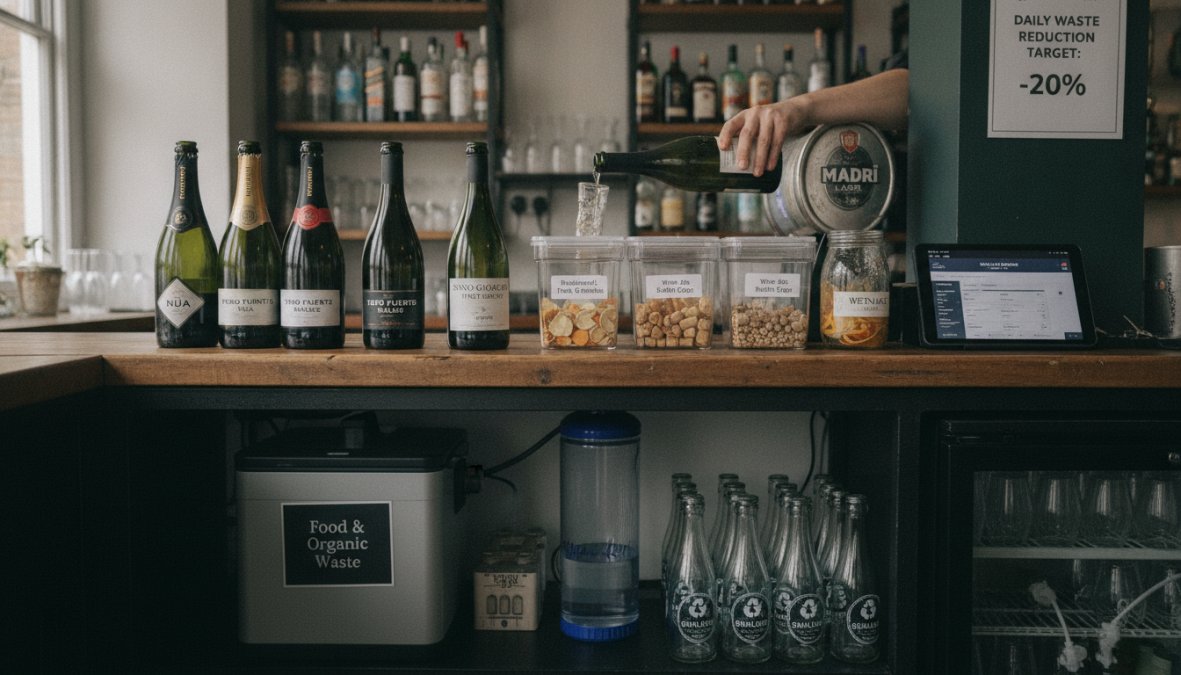
Wastage in pubs isn't just an operational nuisance, it's a direct hit to your bottom line. According to industry research, pubs that fail to implement systematic waste reduction lose between 15-25% of their potential profit margins on drinks sales alone. This guide from Swallow Drinks covers exactly how to reduce drinks wastage in pubs through standardised measurement, staff training, stock control, and modern tracking systems.
Every drink that ends up in the drain represents lost revenue and wasted supplier investment. If your pub pours 200 drinks per day and just 5% are wasted through overpouring, spillage, or spoilage, you're losing roughly £40-60 per day depending on your drink mix. Over a year, that's £14,600-21,900 in pure waste. For independent pubs operating on thin margins, this is often the difference between modest profit and breaking even.
The problem compounds across draught beer line waste, spoiled soft drinks from faulty BIB systems, and broken glassware. Without visibility into where wastage happens, you can't fix it.
Swallow Drinks has worked with independent pubs across Birmingham and the West Midlands for over 40 years, and we've seen first-hand how venues that implement structured waste reduction programmes recover significant margins within 90 days.
The foundation of waste reduction is consistency. When staff pour by eye, you get variance and inconsistent customer experience. Standardised measurements eliminate guesswork.
A jigger, a two-sided measuring cup typically 25ml/50ml or 35ml/50ml, ensures every spirit pour is identical. This controls cost per drink and trains staff to understand what a proper measure looks like. After a week of using jiggered pours, bartenders develop muscle memory and consistency improves even under pressure.
For draught beers and soft drinks, the same principle applies. A properly calibrated line system with consistent tap pressure delivers the same volume every time. Overpouring happens most often when staff are rushed; a jigger removes the decision-making and reduces waste by 20-30% in venues that previously relied on freepouring.
:::pro Most overpouring happens in the first two weeks of a new bartender's shift. Require jigger usage for the first month, then reassess. Your best staff naturally maintain accuracy even when jiggering becomes optional. :::
The investment is minimal: quality jiggering tools cost under £15, with payback within weeks. Consistency also improves customer perception and builds loyalty.
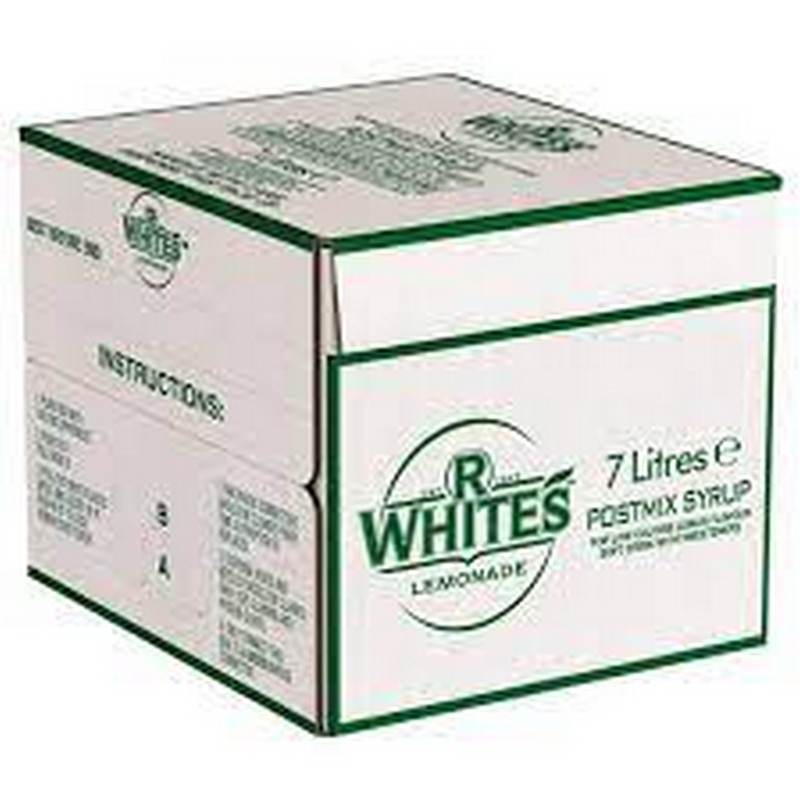
For soft drinks served via BIB systems, ensure dispensers are calibrated annually. A miscalibrated system can waste 2-3 litres per day unnoticed. Swallow Drinks supplies BIB SWALLOW PEPSI MAX 12LTR - PINK CONNECTOR and BIB R WHITES 7LTR systems that integrate with proper dispenser maintenance; tracking usage helps you spot calibration drift before it becomes a problem.
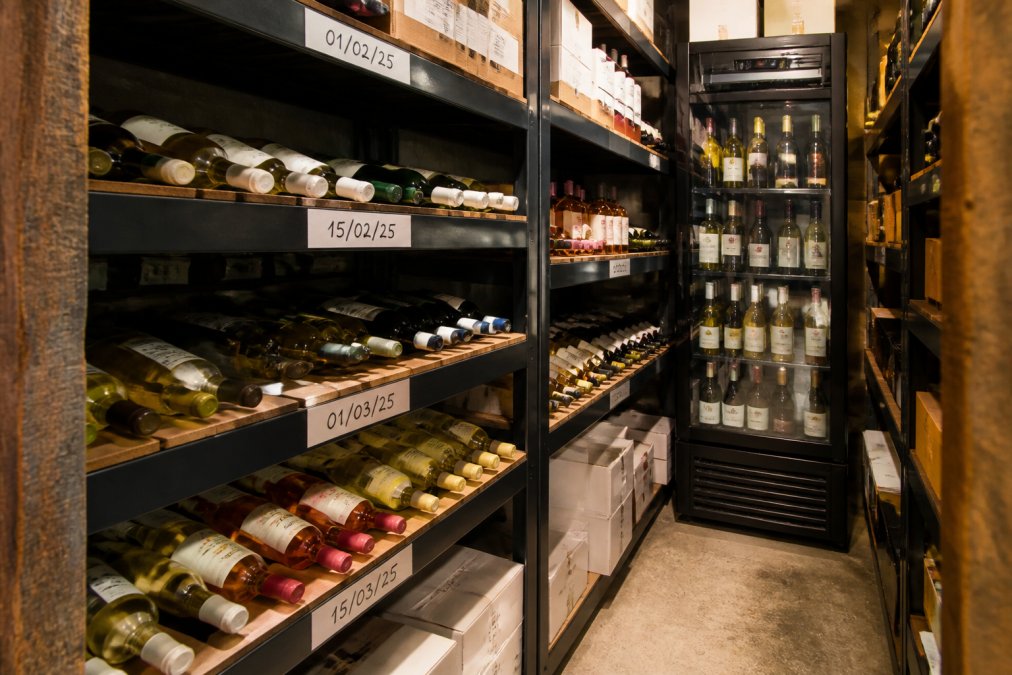
Stock control is where theory meets practice. Par levels define how much of each drink you should hold at any given time. Too little and you run out on busy nights; too much and older stock expires before you sell it.
Par levels are calculated based on daily sales volume, supplier lead time, and shelf life. For a spirit you sell 8 measures per day with a 2-day delivery window, your par might be 2-3 bottles. For a seasonal craft beer with a 6-month shelf life and inconsistent sales, your par might be lower.
Track sales for two weeks. Count how many measures of each spirit, pints of each beer, and soft drink servings you sell daily. Multiply by your lead time (typically 2-3 days for local suppliers like Swallow Drinks, which offers six-day-a-week delivery across Birmingham and the West Midlands). Add a safety buffer of 20-30% for unexpected demand spikes.
If you sell 10 pints of lager daily with a 2-day lead time, your par is 20-24 pints. When stock drops to 20, you reorder. Review par levels quarterly as seasonal drinks and changing customer preferences shift demand.
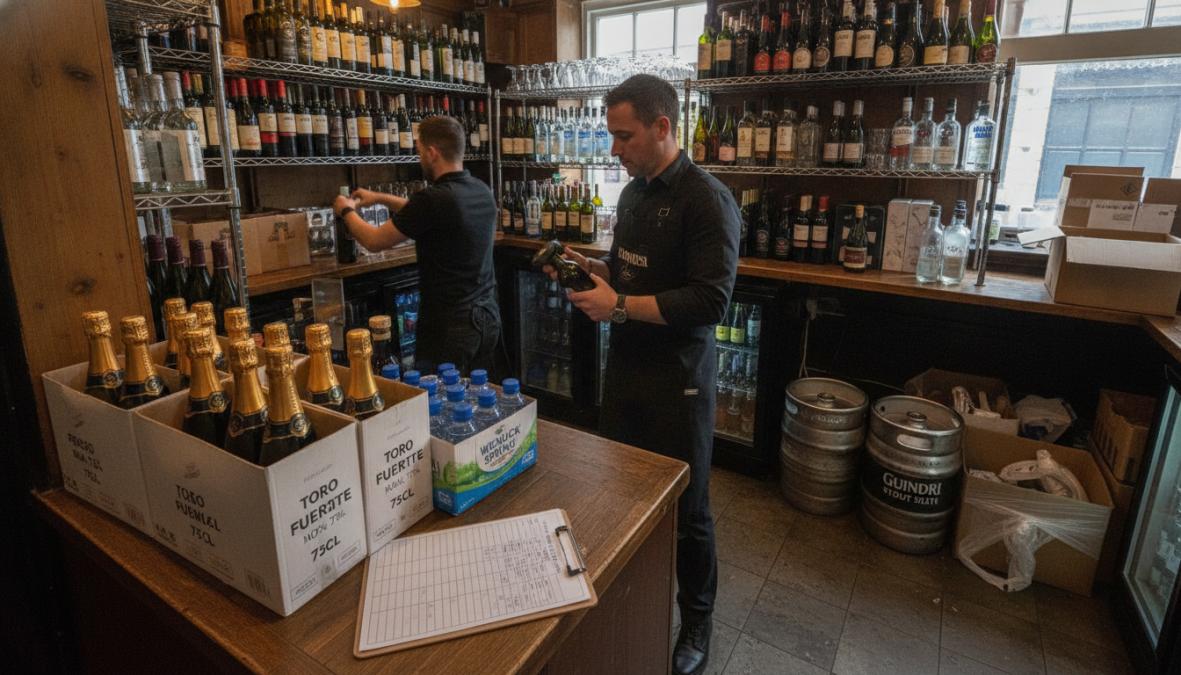
FIFO is simple in principle but requires discipline in practice. Every new delivery goes to the back of the shelf; staff pull from the front. This ensures older stock sells before newer deliveries, reducing spoilage risk.
Implement FIFO by date-marking every delivery, positioning older stock at front, checking expiry dates weekly, and training staff on why it matters. A pint of beer sitting for 8 weeks tastes different; customers notice and don't return. Venues that implement strict FIFO see a 30-40% reduction in expired stock waste within the first month.
Draught beer line maintenance prevents two problems: wasted product and customer complaints about flat, sour, or off-tasting beer. Lines should be cleaned weekly using proper cleaning solution. A neglected line accumulates yeast, bacteria, and hop residue that clogs flow, forces staff to apply pressure, and causes overflow and spillage. A properly maintained line reduces waste by 15-20%.
The process takes 20-30 minutes per line: disconnect the keg, run cleaning solution for 5-10 minutes, let it soak for 10 minutes, flush with water for 5 minutes, and reconnect the keg. Document this in a line-cleaning log noting date, which lines were cleaned, and who did it.
For BIB soft drink systems, clean syrup lines monthly or when you notice slower dispensing. A clogged syrup line wastes product as staff over-dispense to compensate for weak flow.
Technology and systems only work if staff understand why they matter. A bartender who doesn't believe in waste reduction will find ways around your systems.
Make wastage visible. Calculate daily wastage cost and share it in team meetings. Frame it as opportunity: "We're losing £50 per day to waste. If we cut that in half, we can invest in better stock or higher wages."
Involve staff in the solution. Ask bartenders where they see the most waste. Listen and act on their feedback. When staff feel heard, they own the solution. Recognise good behaviour publicly. When a bartender goes a week without spillage or spots expired product before it gets served, thank them. Small acknowledgments build a culture where waste reduction becomes normal.
Tie bonuses to team waste reduction metrics, not individual performance. Individual metrics create perverse incentives where staff hide wastage. Better incentives are non-monetary: extra break time, choice of shifts, or team outings funded by savings.
Track progress weekly. Post a simple chart showing spillage, breakage, and expired stock in the staff area. Peer pressure and transparency are powerful motivators.
Manual tracking is better than no tracking, but digital systems give you real-time visibility. Modern bar stock software integrates with your POS system to flag discrepancies between what was sold and what was poured.
If 10 pints of lager were sold but 12 pints were poured, that 2-pint difference is flagged as waste. Over time, you see patterns: which bartenders waste most, which drinks have highest loss, which times of day are most problematic. This data targets specific problems instead of guessing.
For a pub doing £3,000+ weekly drinks revenue, the payback is immediate. A 5% reduction in waste (typical after implementing digital tracking) recovers the software cost within weeks.
Swallow Drinks customers can integrate their ordering through our trade ordering platform to simplify stock reconciliation. When your orders are tracked digitally and your stock system is connected, discrepancies become obvious.
Without measurement, you can't improve. A formal waste audit conducted monthly gives you a baseline and tracks progress.
Create a simple log by the bar with columns for date, time, drink type, quantity, and reason (spillage, breakage, expired, other). After a month, tally the results. You'll see patterns. If breakage is high, investigate whether glasses are fragile, the bar layout is crowded, or staff are careless. If spillage clusters around certain times, you know when to add extra hands or improve line maintenance.
The log also serves as evidence for performance discussions. It's factual, not accusatory: "Your spillage is running 40% higher than the team average. Let's talk about what's making that happen."
Garnish waste is often overlooked. A lemon wedge cut too thick and not used, lime juice that oxidises before service, or fresh herbs that wilt add up.
Implement garnish prep standards: specify exact citrus cut sizes, prepare garnishes only as needed, and repurpose offcuts. A lemon too thick for a wedge becomes juice for a cocktail. Herb stems become infusions. Train staff that a tired garnish reduces perceived drink quality and increases returns or comps. A fresh, properly-sized garnish signals care and justifies premium pricing.
Your supplier relationship shapes your waste profile. A reliable supplier with consistent quality and delivery reduces stock spoilage. An unreliable supplier forces you to overstock, increasing expiry risk.
Swallow Drinks, as a family-run independent wholesaler with over 40 years serving the on-trade sector across Birmingham and the West Midlands, understands this. Consistent six-day-a-week delivery means you don't need excessive stock. Our vast portfolio of premium wines, Alcohol, beers, spirits, and drinks means you're not forced into stock-outs that drive emergency orders from less reliable suppliers.
When choosing a supplier, ask about delivery frequency, consistency, quality assurance, flexibility with menu changes, and responsive support when products arrive damaged or lines break. A supplier who helps you reduce wastage is a partner, not just a source. They'll work with you on par levels, suggest products with longer shelf life, and flag slow-moving stock so you can adjust orders.
Reducing drinks wastage in pubs isn't complicated, but it requires systems, training, and accountability. Start with standardised measurements and FIFO rotation, these are free or near-free and deliver immediate results. Layer in digital tracking to identify where waste concentrates. Train your staff to understand why it matters. Partner with a reliable supplier who supports your goals. Within 90 days, you'll see 20-30% waste reduction and meaningful improvement to your profit margins. Get started with Swallow Drinks, and let our 40 years of experience help you build a waste-conscious operation that protects both your bottom line and your reputation.
The biggest culprits are overpouring (staff not using jiggers consistently), spillage during line cleaning and keg changes, glassware breakage, product spoilage from poor stock rotation, and leaks in draught systems. Many pubs also waste drinks through incorrect temperature control, which damages quality, and poor par level management that leads to overstocking perishable items. Tracking which drinks waste most helps you tackle the specific problem.
Trained staff follow standardised pour measurements, handle glasses carefully, and rotate stock correctly using FIFO methods. They spot leaks early, clean lines properly to prevent spillage, and understand why waste matters to the business. Regular training sessions, clear procedures, and incentive programmes encourage staff to take ownership. Pubs that invest in staff training typically see 15-25% reductions in wastage within three months.
FIFO (First-In-First-Out) means using the oldest stock first. This prevents drinks from expiring or degrading on the shelf. Spirits and wines have long shelf lives, but soft drinks, cordials, and some beers degrade faster. By rotating correctly, you avoid throwing away expired stock and maintain consistent drink quality. Combined with accurate par levels, FIFO cuts waste by ensuring nothing sits unused long enough to spoil or become unfit for service.
Digital stock systems track stock levels in real time, flag items approaching expiry dates, and highlight unusual wastage patterns. They record spillage, breakage, and over-pouring incidents so you can spot problem areas. Integration with your POS system shows which drinks sell slowly and which are wasted most. This data lets you make informed decisions about what to stock and how to train staff, turning wastage from a guess into a measurable metric you can improve.
Members of:


AWRS Registration Number: XJAW00000100730