Oct 06, 2026
Last Updated: October 6, 2026
A sudden drink supply shortages situation hits hardest in the first 48 hours. When a delivery fails or a product runs dry, the venues that cope best are the ones with a written plan, not the ones making panicked phone calls.
Here is the immediate response checklist we would run through ourselves:
Work through this list in order. Speed matters more than perfection in the first day.
A drinks shortage contingency plan is a written document that sets out who does what, which products get protected first, and how you will tell customers when stock runs low. Venues that plan ahead lose far less trade than those reacting on the night.
Most operators who handle shortages well build the plan around four measurable pillars rather than vague intentions:
A common pattern is to add a fifth pillar: a simple stock visibility sheet. A shared spreadsheet or trade portal view showing current stock, days of cover remaining, and expected delivery dates lets you spot a problem before it reaches the bar.
Keep a printed copy behind the bar. If the internet drops or the manager is off sick, anyone should be able to pick it up and act.
Not every late delivery needs the same response. Set clear thresholds so your team knows when to act and when to escalate.
| Severity | Trigger | Action |
|---|---|---|
| Low | One line short, delivery expected within 48 hours | Log it, monitor stock, no menu change |
| Medium | Two or more lines short, or a key seller affected | Ring supplier, plan substitutions, brief staff |
| High | Best seller out, no delivery date confirmed | Activate backup supplier, change menu, tell customers |
| Critical | Multiple categories out across peak trading | Ration stock, cut opening hours if needed, full customer notice |
Define your own numbers against these bands. A small bar might treat one missing keg as high severity. A large venue may only escalate when several lines fail at once. The point is to remove guesswork.
Supply-chain disruption rarely affects one supplier alone. When a manufacturer has issues, the problem flows down through distributors to your door. That is why coordination matters more than loyalty to a single account.
Split your buying across at least two suppliers per category. Keep one main account and one backup for beer, soft drinks, wine and spirits. Share your forecast with both, so each knows what you need in a normal week. If you run more than one site, centralise ordering so stock can move between venues rather than being re-bought at short notice.
When a supplier cannot deliver, act within hours, not days. Ring them first and ask three direct questions: what is missing, when can it arrive, and what can they substitute today. Get the answer in writing by email so there is a record.
Then work your backup list. If you have a second account, place a smaller order to cover the gap. A 12-litre bag-in-box of Pepsi syrup, for example, keeps your post-mix running when bottles run short.
If no supplier can help, reduce your range rather than your quality. A shorter menu that always delivers beats a full menu with gaps.
Tell customers early and keep it simple. A short sign at the bar and one social post is usually enough. Say what is unavailable, what you are offering instead, and when you expect normal service to return. Never blame a named supplier in public. Keep the message about the venue and the fix, not the fault.
A bar should hold enough buffer stock to cover its busiest trading days plus one full delivery cycle. For most venues, that means three to five days of your top-selling lines, and at least one week for anything with a long lead time. Buffer stock is not hoarding. It is the difference between a quiet night and a closed one.
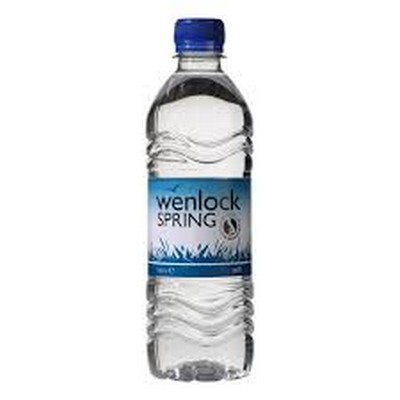
WENLOCK SPRING STILL 500ML FLAT CAP PET 2DZ →
Base the figure on your own numbers:
Review the buffer after every peak season. Christmas, summer and major local events all change what "normal" looks like.
Extra stock ties up cash and can go out of date, so the buffer should be tiered rather than uniform. A practical approach is to hold the deepest cover on fast-moving, long-life lines (canned soft drinks, bag-in-box syrup, bottled water, spirits) and the shallowest cover on short-life or slow-moving lines (cask ale, fresh juices, limited-edition craft beers).
When stock is scarce, fairness matters as much as margin. A few principles that hold up in practice:
A common pattern is to review buffer levels monthly against actual sales, and to adjust the tier for any line whose lead time has changed.
Alternative drinks for out-of-stock products should match the serve, not just the category. If a premium lager is unavailable, offer a similar-strength craft beer rather than a cheap substitute. If a branded cola runs short, a comparable canned soft drink keeps the mixer list working. For low and non-alcoholic demand, having a dedicated range ready means you never turn away the growing sober-curious crowd.
Swap within these rules:
For water and mixers, still spring water in 500ml PET bottles is a reliable line to keep in stock when other categories wobble.
Once the shortage passes, review what happened while it is fresh. Ask three questions: what caused it, how fast did we react, and what would we change? Update your contingency plan with the answers.
Then prepare for the next peak. Seasonal demand, big fixtures and local events all create spikes. Order early, confirm lead times, and build your buffer before the rush, not during it.
A sudden drink supply shortage tests every bar, but it does not have to cost you trade. The venues that cope best have a plan, a backup supplier and a team that knows what to do.
A hospitality business can avoid a drinks stock shortage by building a contingency plan, keeping a sensible buffer of core lines, and reviewing supplier lead times weekly. Track stock levels against forecast demand, especially during peak trading periods, and set reorder triggers before you run low. Working with a reliable supplier that offers consistent delivery and can suggest alternatives when a line is unavailable is also key. Registering for trade ordering with a wholesaler you trust helps you see availability quickly.
When a supplier cannot fulfil an order, first confirm the shortfall and expected lead time in writing. Then check your buffer stock and prioritise core lines for your best-selling drinks. Contact an alternative supplier or a wholesaler with a broader portfolio to cover the gap, and adjust your menu or specials board to use what you have. Tell regular customers early and offer a suitable substitute. Finally, log the incident so you can adjust your contingency plan and buffer levels for next time.
As a rule of thumb, keep enough buffer stock to cover one to two weeks of normal trading for your top-selling lines, plus a little extra for peak seasons. For slow-moving or niche products, a smaller buffer of a few days is usually enough. The right amount depends on your storage space, cash flow, and how reliable your deliveries are. Review buffer levels monthly and after any disruption, and adjust based on actual sales data rather than guesswork.
To find a suitable substitute, start by matching the style, strength, and flavour profile of the unavailable drink. For example, if a popular soft drink is out of stock, offer a similar carbonated option from your range. For beer or cider, suggest a comparable local or craft alternative. Ask your wholesaler for recommendations; a good supplier will know what is available and can suggest options that fit your menu. Always taste-test before adding a substitute to your regular list.
Members of:


AWRS Registration Number: XJAW00000100730