Aug 21, 2026
Last Updated: August 21, 2026
Choosing the right supplier for premium spirits wholesale can make or break your venue's profitability. Independent bars, restaurants, and hotels depend on consistent access to quality stock at prices that protect margins. The difference between a reliable partner and an unreliable one often shows up on Friday nights when you run short or discover that your regular order didn't arrive.
Swallow Drinks has spent 40 years building relationships with venues across the region precisely because we understand this pressure. When you're managing a busy bar, the last thing you need is supply chain drama. A good wholesale partner doesn't just deliver bottles, they become part of your operation, helping you navigate stock levels, understand what's selling, and plan menus that actually work for your customer base.
The real value in premium spirits wholesale isn't just access to brands. It's reliability. It's transparency. It's someone who understands that a small independent bar has different needs than a chain, and who prices accordingly. Many venues worry that switching suppliers means losing consistency or facing hidden charges buried in invoices. That concern is legitimate, it's happened to plenty of hospitality operators. The solution is finding a partner who's built their reputation on the opposite approach.

Not all wholesale suppliers are built the same. When you're evaluating options for premium spirits wholesale, focus on three concrete factors that actually matter to daily operations: delivery reliability, pricing transparency, and genuine support for your menu strategy.
Six-day-a-week delivery isn't a luxury, it's the baseline for any serious wholesale partner serving the on-trade sector (bii.org). A supplier who can only commit to twice-weekly deliveries forces you to overstock, ties up cash, and creates the exact problem you're trying to avoid: running out on a Saturday night.
Local logistics matter more than you might think. A supplier based in your region understands local demand patterns, traffic conditions, and the specific needs of venues in your area. When something goes wrong, a delivery gets delayed or an item is out of stock, a local operation can often respond faster than a national distributor working from a distant warehouse.
Ask about their delivery windows. Can they guarantee morning drops before your venue opens? Do they work around your stocktake schedule? Can they handle urgent requests if you need to restock a particular spirit mid-week? These details separate a supplier that works with you from one that works around you.
Hidden fees destroy trust faster than anything else. You should know exactly what you're paying for each bottle, what your minimum order is, and whether there are any surcharges for small orders, delivery, or account management.
Many venues have been stung by suppliers who quote a price, then add delivery charges, fuel surcharges, or administrative fees that weren't mentioned upfront. By the time the invoice arrives, the actual cost per bottle is significantly higher than expected. Transparent pricing means you can build accurate margins into your menu and know exactly what you're spending.
Ask for a written price list. Request clarity on volume discounts, at what order value do prices drop? Are there seasonal price changes? What's the policy if you need to return unopened stock? A supplier confident in their offering will answer these questions directly.
The best wholesale partners help you think strategically about what you're stocking. They understand that a busy nightclub has different needs than a wine-focused gastropub, and that margins matter as much as selection.
A good supplier can advise on what's moving in venues like yours, help you identify gaps in your current offering, and suggest additions that complement your existing range. They'll track your ordering patterns and flag slow-moving stock before it becomes a problem. They might suggest a premium vodka alternative that costs less but sells just as well, or recommend a craft gin that appeals to your customer base.
This kind of support saves you money and reduces waste. It also means you're not just reordering the same things every week because it's easier, you're actively managing your portfolio for profitability.
Independent wholesalers operate differently than national chains. They're invested in long-term relationships with individual venues rather than chasing volume from large accounts. This changes how they serve you.
An independent supplier like Swallow Drinks knows that losing a small account isn't offset by picking up a bigger one. Your business matters. That translates into responsiveness, flexibility, and genuine problem-solving. When you call with a question or a request, you're not navigating an automated system, you're speaking with someone who knows your venue and your needs.
Independent wholesalers also tend to have deeper knowledge of niche and craft spirits. National distributors focus on high-volume brands. Independents build relationships with smaller producers, craft distilleries, and emerging labels that can differentiate your offering. If you want to stock something genuinely unique, a local gin, an independent bottler, or a limited-edition whisky, an independent supplier is more likely to source it for you.
Pricing is another advantage. Without the overhead of massive national operations, independent wholesalers can often offer better margins on premium spirits wholesale, especially for consistent, regular orders. You're not subsidising a sprawling corporate structure; you're buying directly from someone with lower operating costs.
The relationship itself is an asset. A supplier who understands your venue, your customers, and your business challenges becomes a strategic partner. They'll flag opportunities you might miss, warn you about trends before they hit, and help you navigate decisions about stock changes or menu updates.
Setting up a wholesale account should be straightforward. Most suppliers, including Swallow Drinks, have a simple registration process designed to get you ordering quickly.
Start by contacting your chosen supplier directly. You'll typically need to provide basic business information: your venue name, location, type of operation (bar, restaurant, hotel, etc.), and your expected order volume. Be honest about volume, suppliers use this to set appropriate credit terms and delivery frequency.
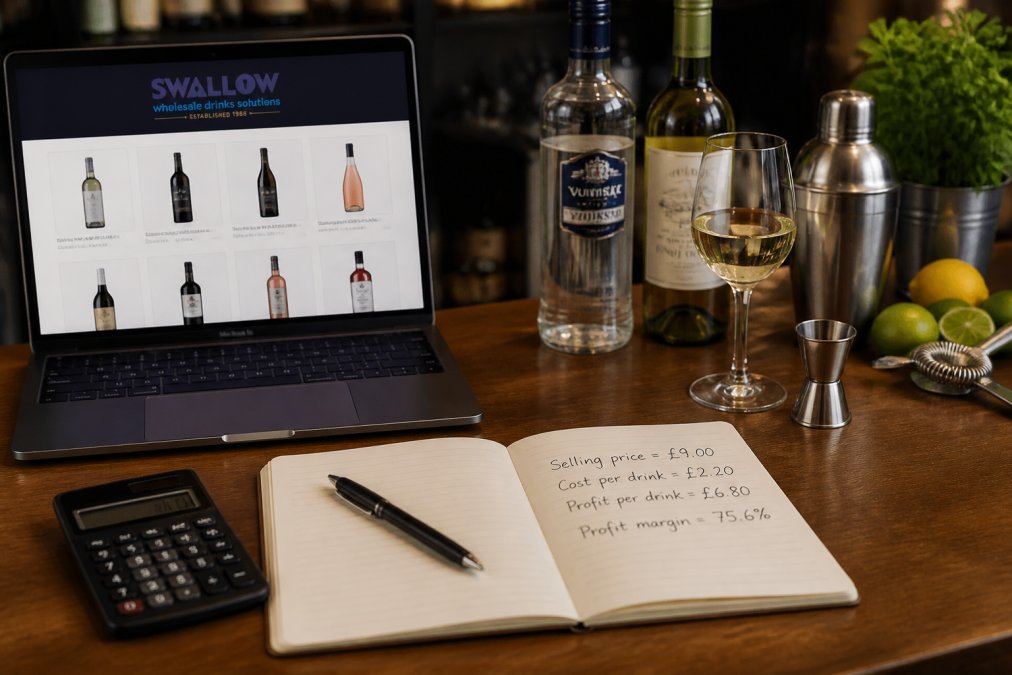
Many wholesalers now offer online account management. Swallow Drinks provides access to their trade ordering platform, where you can browse the full product catalogue, check stock levels, place orders, and track deliveries. This removes the friction of phone calls and faxes and gives you visibility into what's available before you order.
You'll likely need to provide proof of your business licence and, depending on your venue type, your alcohol licensing information. This is standard compliance, it protects both you and the supplier. Have these documents ready to speed up the process.
Ask about credit terms. Most suppliers offer NET 30 or NET 14 payment terms to established accounts. Clarify what the minimum order value is and whether there are any setup fees. A reputable supplier won't charge you to become a customer; they'll earn your business through service.
Once your account is active, you can start ordering. Begin with a trial order covering your core range. Use this period to assess delivery reliability, product quality, and customer service. If everything works, you can expand your order and integrate the supplier into your regular stock management routine.
Stock management is where a good wholesale relationship really pays dividends. The right supplier doesn't just fill your shelves, they help you manage them strategically.

Start by establishing a baseline. Work with your supplier to understand your typical weekly consumption by category and brand. How much vodka does your venue move? Which gins are popular? What's your whisky turnover? This data becomes your stock planning foundation.
Use your supplier's ordering system to set par levels for each product. A par level is the maximum stock you want on hand at any given time (peer-reviewed research). When you drop below that level, you reorder. This prevents both overstocking and stockouts. Your supplier can help you determine realistic par levels based on your sales velocity and shelf space.
Many venues benefit from standing orders, a regular weekly or bi-weekly delivery covering your core range. Standing orders simplify planning, ensure consistency, and often qualify for better pricing. You can adjust quantities week to week based on upcoming events or seasonal demand, but the base order remains stable.
Track what's selling and what's sitting. A bottle that doesn't move for three weeks is tying up cash and shelf space. Work with your supplier to replace slow movers with faster-selling alternatives. This is where supplier expertise becomes invaluable, they know which products move in venues like yours and can suggest swaps that improve your portfolio without disrupting your offering.
Implement a simple stock check routine. Many venues do a quick count every Friday or Monday to understand consumption over the weekend. This takes 15 minutes and gives you data for the following week's order. Over time, you'll develop accurate forecasting and rarely run short.
Communicate with your supplier about upcoming events. If you're hosting a private function, expecting a busy season, or launching a new menu, let them know. A good supplier can ensure you're stocked appropriately and may even offer suggestions on what to highlight during that period.
Building a strong premium spirits wholesale range means understanding which categories matter most to your customers and which offer the best margins.
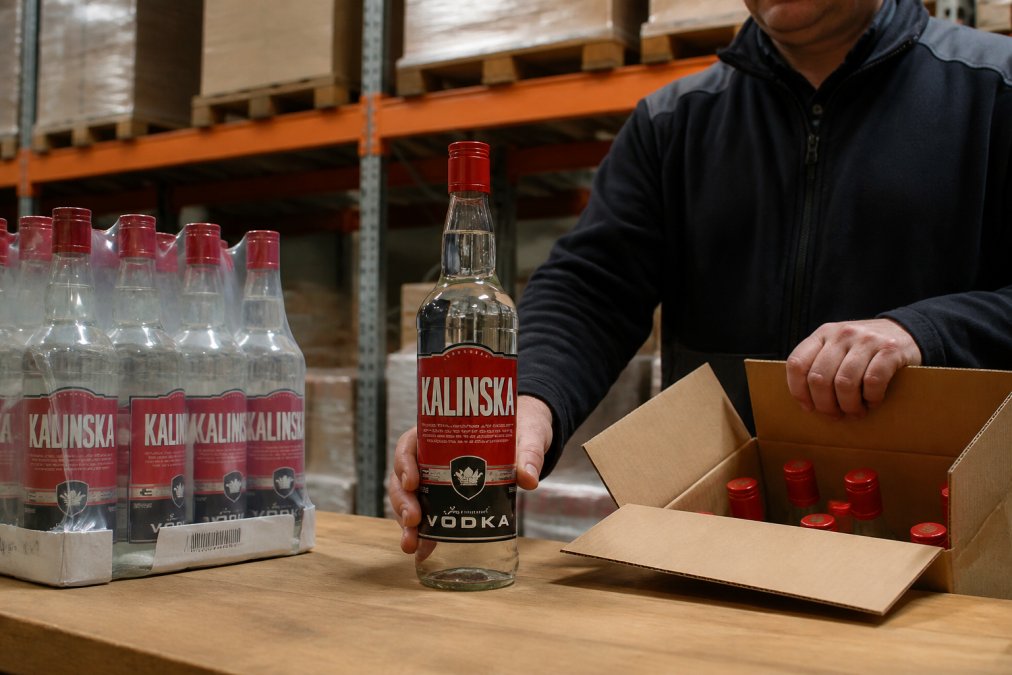
Vodka remains the highest-volume spirit in most venues (bii.org). Stock a range from entry-level to premium. House Vodka Kalinska offers strong value for well drinks and cocktails, while Absolut Vodka appeals to customers ordering by brand. Having both allows you to serve price-conscious customers and those willing to pay for a recognised name.
Gin has experienced sustained growth. Stock a solid London Dry Gin as your base, then add a premium option. Bombay Sapphire Gin is a reliable choice that appeals to gin drinkers and works well in classic cocktails. Consider adding a craft gin from a smaller producer, it differentiates your offering and often carries better margins.
Whisky is where margins are strongest and customer loyalty deepens. Stock a range of styles: a solid blended Scotch for mixing, a single malt for sipping, and an Irish whiskey for variety. Jack Daniels remains a consistent seller and appeals to a broad customer base. Add a premium bourbon or single malt to capture customers ordering premium drinks.
The key with whisky is depth rather than breadth. Five well-chosen options outsell fifteen mediocre ones. Focus on brands that align with your venue's style and customer preferences. A craft cocktail bar might prioritise single malts and small-batch bourbons. A high-volume nightclub might focus on recognisable brands and value options.
Don't overlook rum, tequila, and brandy. These categories have loyal customers and often deliver strong margins. A small selection of each covers the bases without overextending your stock.
When working with your wholesale supplier, ask for recommendations based on your venue type and customer base. Swallow Drinks can advise on which premium spirits wholesale options are moving strongest in similar venues and help you build a range that balances profitability with appeal.
Choosing premium spirits wholesale from a reliable, local supplier transforms how you manage your venue. The difference between a supplier who delivers bottles and one who becomes a genuine business partner shows up in your margins, your stock efficiency, and your ability to serve customers consistently. Swallow Drinks has spent 40 years building that kind of partnership with independent venues across the region. Register for a trade account through Swallow Drinks' trade platform and discover how a supplier invested in your success can strengthen your operation.
Look for a supplier with a proven track record in your area, transparent pricing with no hidden fees, and a commitment to consistent delivery schedules. Independent wholesalers like Swallow Drinks, with over 40 years of experience serving hospitality venues, offer personalised service and understand local market needs better than national chains. Ask about their stock range, delivery frequency, and whether they provide menu consultation support.
Independent wholesalers offer flexibility, personalised account management, and genuine partnership rather than transactional relationships. They typically stock niche and local labels alongside premium brands, can source specialist items quickly, and provide expert guidance on menu curation and profit margins. You're not just a number, independent suppliers invest in understanding your venue's unique needs and growth.
Most reputable wholesalers require basic business details, proof of premises licensing, and sometimes a trade reference. Registration is straightforward and typically takes a few days. Swallow Drinks makes this simple through their trade portal at webtrade.swallow.uk.com/, where you can set up your account, view pricing, and place orders online. Contact them directly to discuss your venue's specific requirements and delivery needs.
Start with versatile core brands: vodka (such as House Vodka Kalinska at £12.41 or Absolut at £16.09), gin (Bombay Sapphire at £21.70), and whisky (Jack Daniels at £25.07). These are customer favourites with reliable demand. Work with your supplier to understand your venue type, a gastropub needs different selections than a nightclub. A good wholesaler will help you build a balanced portfolio that maximises profit margins while meeting customer expectations.
Members of:


AWRS Registration Number: XJAW00000100730