Sep 06, 2026
Last Updated: September 6, 2026
Running an independent pub in 2026 means balancing rising costs against the customer's demand for quality and variety. The pressure on profit margins is real, which is why independent pubs need local wholesalers who understand the trade rather than faceless national call centres. A local partner does more than drop off stock; they become an extension of your management team, offering insights that a distant supplier simply cannot provide.
At Swallow Drinks, we have spent over 40 years serving the on-trade sector across Birmingham and the West Midlands. A local wholesaler is a supplier who operates within your region, offering delivery schedules, product knowledge, and a personal relationship that national distribution networks rarely match. This guide explains how the right local partner improves your delivery logistics, stock control, and ultimately your bottom line.

The choice between a local wholesaler and a national distributor comes down to service versus scale. National suppliers offer vast catalogues, but independent venues often find their consistency and flexibility lacking when issues arise on a Friday afternoon.
A local wholesaler typically offers more responsive support because your account matters to their business. When you need a niche craft ale or a specific wine for a new menu item, a local team can source it quickly rather than working through a central ordering system. This agility is a significant advantage for venues that want to differentiate their offering.
Understanding your pub's legal status is fundamental. A tied pub is contractually obliged to buy some or all of its drinks from a particular pub company or brewer, while a free-trade pub has the freedom to purchase from any licensed wholesaler (gov.uk). For free-trade operators, the flexibility to choose a local wholesaler is your greatest asset, allowing you to shop around for the best trade pricing and product range without restriction.
Delivery reliability is the backbone of any bar operation, and improving delivery logistics for hospitality businesses starts with choosing the right partner. Nothing damages a weekend's trade faster than running out of a core product because a promised delivery did not arrive.
Consistency is the key metric. A delivery schedule of six days a week is only valuable if it is dependable. Local wholesalers can often offer smaller, more frequent drops tailored to your sales patterns, reducing the need for large amounts of cash tied up in stock sitting in your cellar. This approach supports better cash flow and fresher product rotation.
Effective stock management is about knowing your sales velocity per line, not just counting bottles at the end of the week. Many venues operate on a par-level system, where you set a minimum quantity for each product; when stock dips below that level, it triggers a reorder.
To manage pub stock levels effectively, integrate your wholesaler's ordering system with your own practices. Digital trade ordering platforms allow you to review historical purchases and set up regular delivery patterns that match your busiest days (peer-reviewed research). This reduces the risk of overstocking slow-moving lines while ensuring you never run dry on your best sellers, such as a reliable lager or a house spirit.
Buying in bulk is where local wholesalers help you protect your margins. While the unit cost per keg or case decreases with volume, the real financial benefit comes from negotiating trade pricing on your core range and securing those prices for a set term.
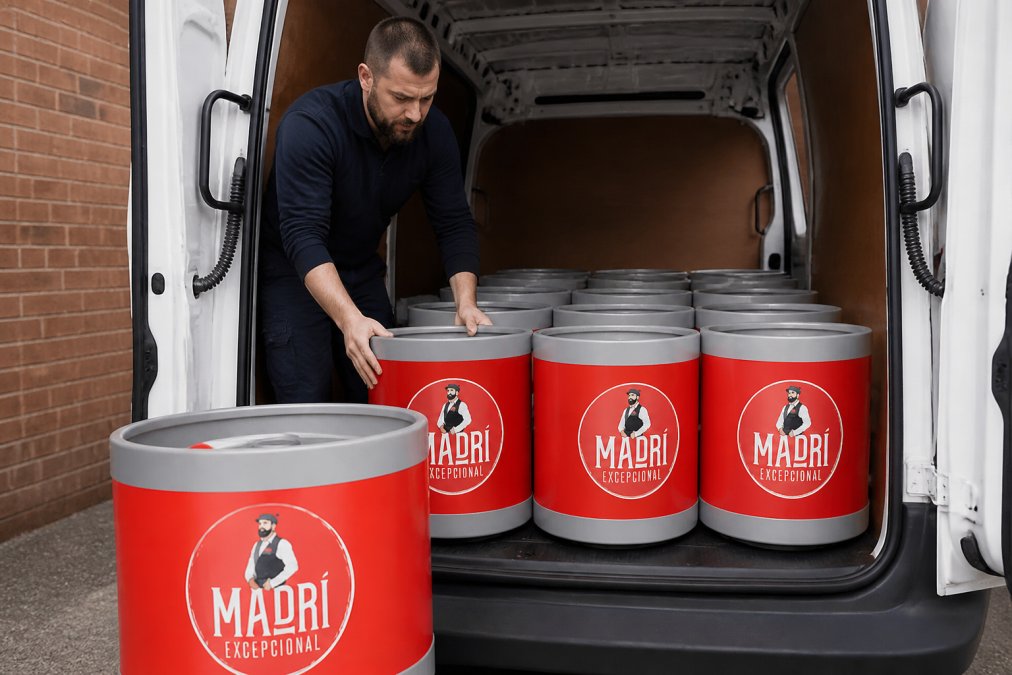
Bulk purchasing also reduces the frequency of deliveries, which can lower administrative costs and free up staff time. For example, securing a competitive price on a staple like a Madri Lager (50 Ltrs) or a Guinness Stout 50Ltr allows you to forecast your cost of goods sold with confidence. This stability is essential for pricing your menu effectively.


Choosing a drinks supplier for independent pubs requires looking beyond the price list to evaluate their operational fit with your venue. You need a partner who understands your specific business model, whether you are a high-volume nightclub, a boutique hotel, or a community gastropub.
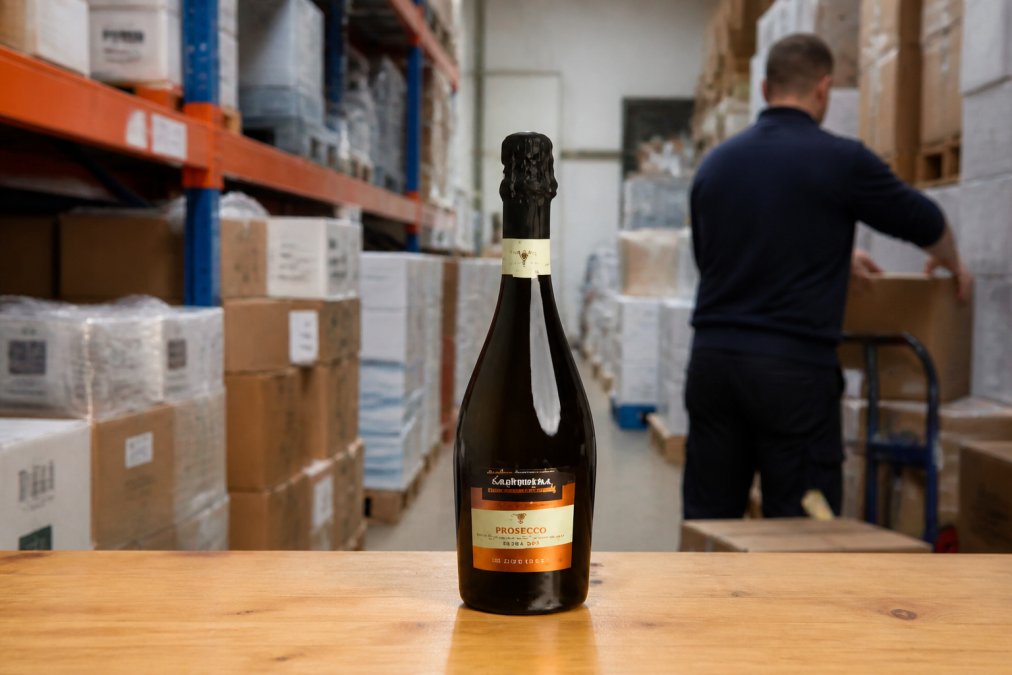
Consider the breadth of their portfolio. A one-stop-shop that can supply everything from Prosecco Nua for your wedding bookings to Coca Cola Icon Bottles for your soft drinks offering reduces the complexity of managing multiple accounts.

Before signing any purchasing contract, ask direct questions about service levels and flexibility. Enquire about their actual delivery schedule for your postcode, not just what their website advertises.
Ask about hidden fees, such as delivery surcharges for small orders or pallet charges. Clarify their policy on sourcing niche items; can they get a specific local gin or a new world wine quickly? Finally, ask about their account management structure. Will you have a dedicated contact who understands your cellar and your menu, or will you be speaking to a different person each time you call?
A resilient supply chain is one that can absorb shocks, whether that is a national transport strike, a sudden spike in demand, or a supply issue at a brewery. Local wholesalers offer a buffer against these disruptions because their distribution network is shorter and often more adaptable than national logistics operations.
Working with a local partner also supports sustainability goals. Shorter delivery routes reduce the carbon footprint of your stock, a factor that is increasingly important to customers and to the hospitality sector's broader environmental commitments (the EPA). This local focus helps insulate your pub from national supply chain disruptions, ensuring you maintain supply reliability when larger competitors might be prioritising bigger accounts.
The hospitality sector rewards venues that offer something different, and your supply chain is part of that difference. The consistency of a six-day delivery service, the ability to source unique local labels, and the peace of mind of dealing with a partner who knows your business by name are advantages that national providers struggle to match.
Choosing a local wholesaler is a strategic decision that strengthens your stock control, improves your delivery logistics, and supports your local community. To see how a dedicated local partner can support your venue, explore the trade area and register your business to access our full product range and trade pricing.
A local wholesaler offers faster, more flexible delivery schedules that fit around your busy periods, which directly improves delivery logistics for hospitality businesses. You also get a dedicated contact who understands your pub, not a call centre. Local suppliers often stock regional craft beers and spirits that national distributors overlook, helping you stand out. With shorter supply chains, you can adjust orders at short notice and respond quickly to menu changes or unexpected demand.
Working with a local wholesaler gives you access to niche and local labels that national suppliers rarely stock, such as regional craft beers and small-batch spirits. A good supplier will advise on product selection based on your menu and customer base. When choosing a drinks supplier for independent pubs, ask how quickly they can source new lines. A responsive partner can have new products with you within days, not weeks, letting you test seasonal offerings and keep regulars curious.
Local sourcing shortens the distance between the warehouse and your cellar, which means more reliable delivery windows and fewer disruptions from national transport issues. A local wholesaler can offer six-day-a-week delivery, so you can top up ahead of a busy Saturday rather than running out. Many also provide emergency support if a line breaks down. This flexibility reduces the need for large buffer stock, freeing up cash that would otherwise sit unused on shelves.
Ask about delivery days and whether they guarantee slots, plus what happens if you run out between orders. Check if there is a minimum order value and whether pricing is transparent with no hidden surcharges. Find out if they are tied to a contract or if you can leave if service drops. Finally, ask how they handle emergencies, such as a breakdown on a Friday night, and whether they can source niche labels quickly when you want to refresh your menu.
Running an independent pub is demanding, and your suppliers should make it easier, not harder. Swallow Drinks offers a vast portfolio of premium brands with over 40 years of experience serving the West Midlands. Get started with Swallow Drinks and secure a reliable, personal supply chain for your business.
Members of:


AWRS Registration Number: XJAW00000100730