Aug 27, 2026
Last Updated: August 27, 2026
Running a successful hospitality business hinges on one simple fact: your customers expect their favourite drinks available when they walk through the door. Stock-outs damage reputation, lose sales, and frustrate both staff and patrons (peer-reviewed research). For independent pubs, bars, and restaurants, finding a reliable wholesale craft beer supplier isn't just about convenience, it's about survival in a competitive market.
Bulk craft beer delivery addresses this directly. Rather than scrambling between multiple suppliers or settling for limited selection, venues can secure consistent stock of premium beers, lagers, and cask ales through a single trusted partner. At Swallow Drinks, we've spent over 40 years building relationships with independent venues across the region. What we've learned is that the venues thriving today aren't those chasing every trend, they're the ones with stable stock, fair pricing, and a supplier who understands their business model.
A wholesale craft beer supplier specialises in serving hospitality businesses, pubs, bars, restaurants, hotels, and nightclubs on different economics: larger volumes, lower per-unit margins, and a focus on reliability and consistency rather than impulse sales.
The craft beer segment within wholesale has grown substantially. Independent breweries, European imports, and niche producers now represent a significant portion of what hospitality venues stock. A good wholesale supplier maintains relationships with these producers, ensuring venues can access beers that differentiate them from chain competitors.
Swallow Drinks operates as an independent wholesaler, which carries distinct advantages over larger national distributors. Smaller suppliers maintain tighter relationships with individual venues, understand local preferences, respond quickly to stock requests, and often provide menu consultation. When you call a family-run supplier, you're speaking to someone invested in your success, not a transaction number in a system.
The wholesale craft beer sector divides into two primary channels: on-trade (serving venues that consume drinks on-site) and off-trade (serving retailers who sell for home consumption). This article focuses on on-trade supply, where delivery schedules, keg management, and emergency restocking become critical operational concerns.
On-trade drinks supply encompasses everything from regular scheduled deliveries to emergency stock requests, from managing draught systems to handling returns and empties. On-trade suppliers maintain different service standards than off-trade operations, accustomed to working with venues that operate six days a week, sometimes seven.
The relationship between venue and on-trade supplier is contractual but flexible. Unlike retail chains with fixed supply agreements, independent venues typically work with suppliers on a collaborative basis. You order what you need, when you need it, within the supplier's delivery schedule. This flexibility is essential for venues that adjust their drink menu based on customer feedback or seasonal trends.
Stock management in on-trade supply involves coordinating multiple product types: draught beers in kegs, bottled craft beers, cask ales, spirits, wines, and soft drinks. Each category has different storage requirements, shelf life considerations, and demand patterns. A quality on-trade supplier helps venues optimise this mix, ensuring stock rotation, minimising waste, and maintaining cash flow efficiency.
Swallow Drinks operates across the on-trade sector, delivering to pubs, bars, restaurants, and hotels. Our experience managing diverse venue types informs how we structure delivery and stock management support.
Delivery frequency is one of the most practical decisions venues face. The wrong schedule creates either stock-outs or excessive stock that ties up capital and risks spoilage. The right schedule balances operational needs with cash flow reality.
Most on-trade venues operate on one of three delivery patterns. Six-day-a-week delivery suits high-volume venues, nightclubs, and large restaurants where daily turnover is substantial. Three-to-four-day-a-week delivery works well for mid-sized independent venues with moderate to good turnover. Weekly or bi-weekly delivery suits smaller venues with lower volume or limited cellar space, though this pattern requires more accurate forecasting and carries higher stock-out risk.
Emergency delivery bridges the gap between scheduled deliveries. A venue runs out unexpectedly, or a special event drives demand higher than forecast. Reliable suppliers offer same-day or next-day emergency stock, though often at a premium price reflecting the additional logistics cost.
Delivery Frequency | Best For | Key Advantage | Stock Management Demand |
|---|---|---|---|
Six-day-a-week | High-volume venues, nightclubs | Minimal stock, maximum freshness | High |
Three-to-four-day | Mid-sized bars, restaurants | Balanced stock levels | Moderate |
Weekly | Smaller venues, limited space | Lower administrative burden | Requires accurate forecasting |
Emergency same-day | All venues (as backup) | Prevents stock-outs | Occasional use only |
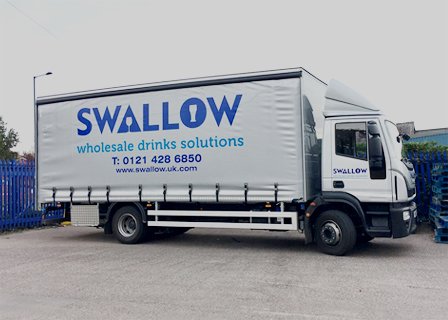
Swallow Drinks operates flexible delivery scheduling. Venues can arrange six-day-a-week service, adapt to specific days that suit their operations, or use emergency delivery when stock runs unexpectedly low.
Stock management separates profitable venues from those bleeding money into excess stock. Start with consumption data. Track what you sell daily, not just total volume, but specific products. Which beers move fastest? Which sit for weeks? Which lines generate the highest margin?
Use this data to calculate par levels for each product. Par level is the stock quantity you want on hand at the start of each delivery cycle. It accounts for expected consumption, delivery frequency, and safety margin for unexpected demand. A high-turnover lager might have a par of eight kegs; a slower-moving craft beer might be two.
Implement a simple stock-tracking system. This can be as basic as a spreadsheet updated daily, or as sophisticated as point-of-sale integration. You need to know what's in the cellar, what's selling, and when to reorder.
Rotate stock religiously. First-in, first-out (FIFO) prevents old stock sitting behind new deliveries. This is particularly important for bottled beers with shorter shelf life and cask ales that deteriorate once opened. Staff training on rotation reduces waste substantially.
Manage your cash flow around delivery cycles. If you receive delivery every three days, you're paying invoices more frequently but holding less stock value. Match this to your business cash position.
Seasonal variation affects stock management significantly. Summer months see higher volume; winter typically drops. Adjust par levels and delivery frequency seasonally to avoid either stock-outs during busy periods or excessive stock during slow months.
Kegs represent the largest capital investment in on-trade drinks supply. Understanding keg types, storage requirements, and pricing ensures you're making decisions that fit your business model.
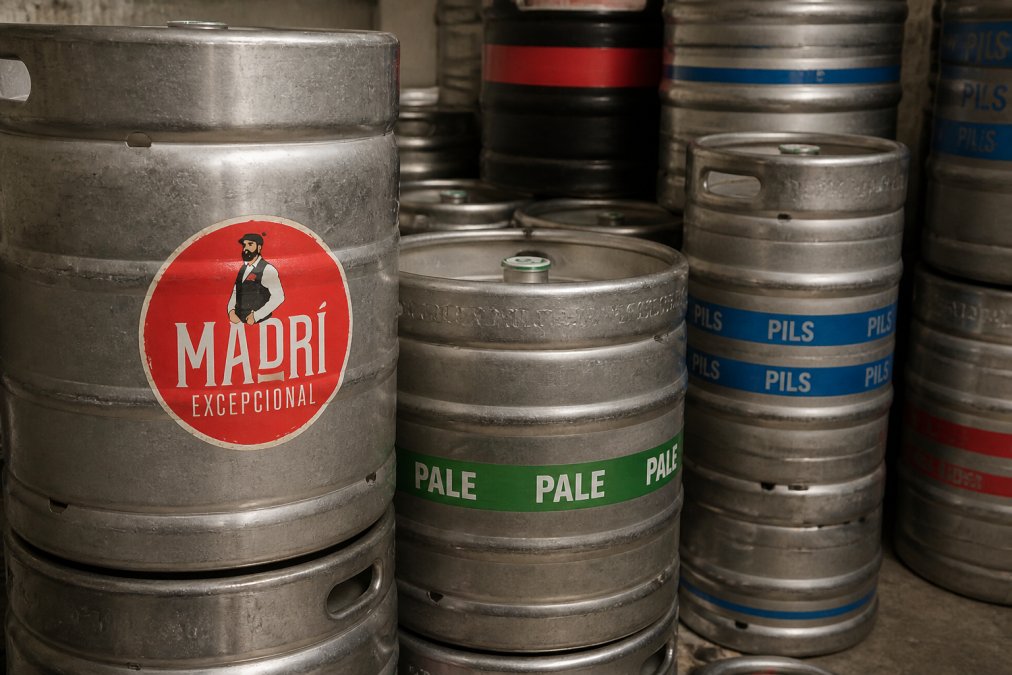
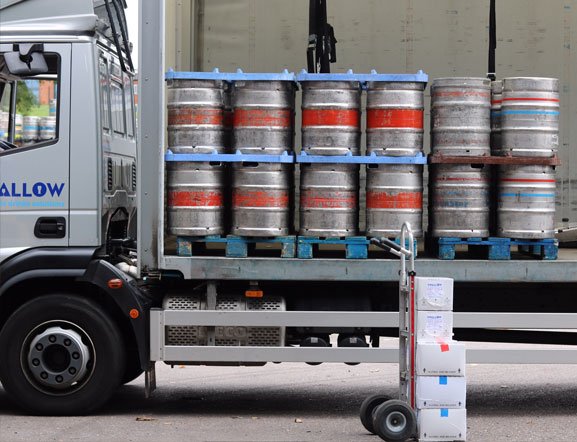
Standard keg sizes in the on-trade market are 50-litre and 30-litre kegs (bii.org). The 50-litre keg is the workhorse, offering good value per litre and fitting standard cellar cooling systems. The 30-litre keg works for smaller venues or those with limited space, though per-litre cost is typically higher.
Keg pricing varies by product type and supplier. Lager kegs, the volume business, are typically the most competitively priced. Craft beers and speciality products command higher prices, reflecting lower production volumes and the supplier's additional sourcing effort.
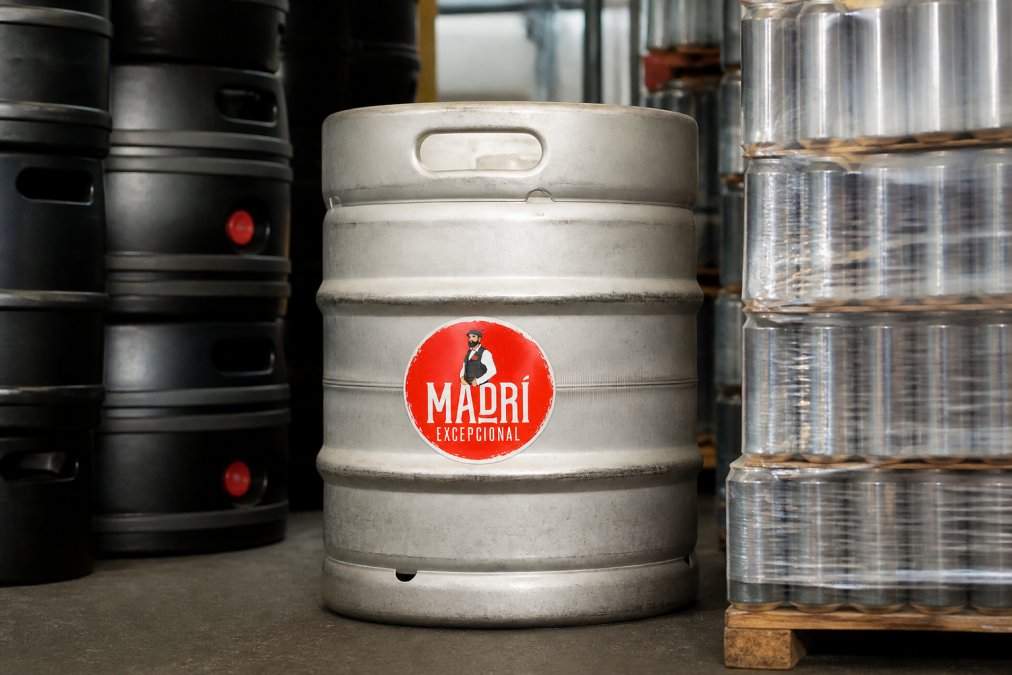
Swallow Drinks stocks a diverse range of keg products across price points. Our lager selection includes MADRI LAGER (50 LTRS) 4.6%, CARLING LAGER (50 LTRS) 4%, and STAROPRAMEN (50 LTRS) 5%, representing different price tiers and flavour profiles. For stout, GUINNESS STOUT 50LTR 4.1% is a premium product with consistent demand in most venues.



Craft and speciality lagers include SAN MIGUEL LAGER 50LTR 5%, MORETTI BEER 50LTRS 4.6%, NASTRO PERONI 50LTR 5.0%, and STELLA ARTOIS (45.5 LTRS) 4.6%, reflecting European imports and premium positioning.
Keg storage requires proper cellar conditions: consistent temperature around 4°C, protection from light, and secure positioning to prevent rolling or damage (bii.org). Invest in proper cellar shelving and staff training on safe handling.
Stock-outs happen. A line runs faster than expected, demand spikes due to an event, or a supplier issue leaves you short. Emergency delivery prevents the worst outcome: turning customers away or losing revenue.
Reliable on-trade suppliers maintain emergency stock and flexible delivery capability. When you call on Friday afternoon needing stock for a busy weekend, a quality supplier responds. This isn't just about goodwill, it's operational necessity. A venue that runs out loses customers and reputation.
Same-day delivery requires proximity and logistics capability. Suppliers based in your region can respond faster than national distributors shipping from distant warehouses. This is one advantage independent local suppliers hold over larger national operations.
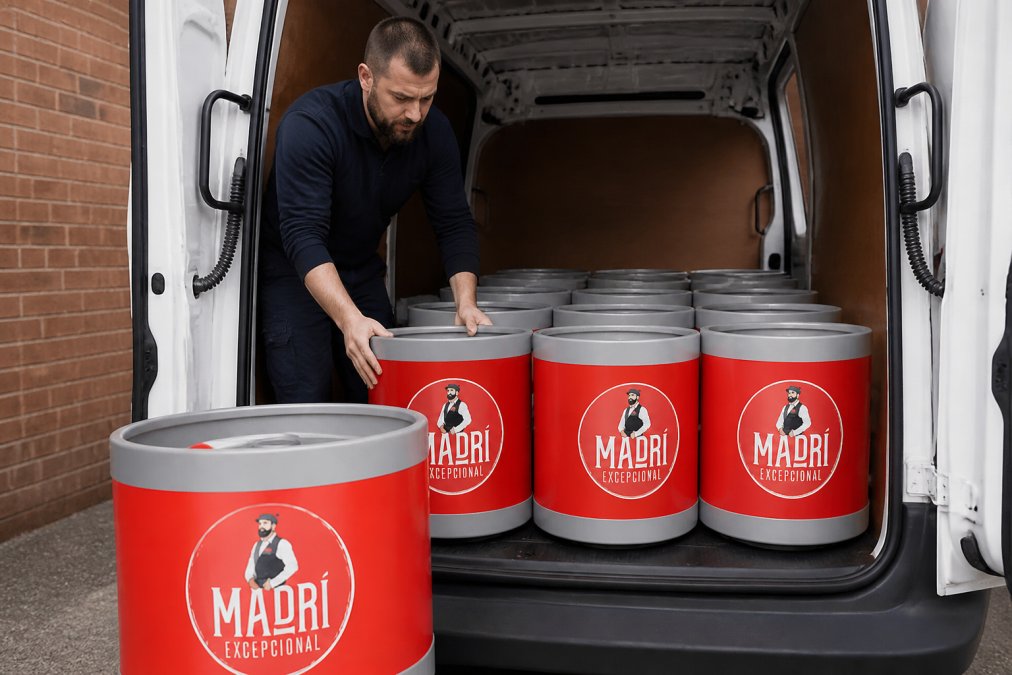
Swallow Drinks operates emergency delivery for established trade accounts. If you're running short and need stock urgently, contact your account manager. Emergency delivery typically costs more than scheduled delivery, reflecting additional logistics cost. This premium is worth paying occasionally; it shouldn't become routine. If you're regularly needing emergency stock, your delivery schedule or par levels need adjustment.
Starting with a new wholesale supplier requires clear communication and realistic expectations. First, establish your account by providing basic business information: venue name, type, location, and expected order volume. Suppliers use this to assess risk and determine appropriate credit terms.
Discuss delivery options. Confirm which days work for your venue, preferred delivery times, and whether you need regular scheduled delivery or flexible ordering. Be realistic about your volume, suppliers prefer consistent orders to sporadic large purchases.
Request product information and pricing. Understand what's available, what's in stock regularly, and what requires ordering. Discuss minimum order values, typically in the range of £100-300 per delivery.
Place your first order through the supplier's ordering system. Swallow Drinks provides trade account access through our online ordering platform, allowing you to browse products, check stock, and place orders at your convenience.
Review your first few deliveries carefully. Check that products match your order, that quality meets expectations, and that delivery timing suits your operations. Communicate any issues immediately; good suppliers respond quickly to resolve problems.
After the first month, review what's working and what isn't. Are you ordering the right products? Is delivery frequency optimal? Are there gaps in the range? Use this feedback to refine your ordering pattern and build a stock mix that reflects your customer preferences.
Choosing the right wholesale supplier is one of the most consequential decisions independent venue operators make. It affects cash flow, stock availability, menu flexibility, and ultimately customer satisfaction. Swallow Drinks has spent over 40 years building relationships with independent venues because we understand these pressures. We're not a call centre, we're a family-run business invested in your success. Our trade ordering portal makes it easy to manage your stock, and our delivery schedule works around your operations, not the other way around. Start with a conversation about your venue's needs, and we'll build a supply arrangement that works for your business model.
A local wholesale supplier understands your venue's needs and can deliver consistently without the delays of larger national operations. You get transparent pricing, faster emergency responses, and direct access to someone who knows your business. With 40 years of experience serving hospitality venues, a dedicated local partner ensures your stock never runs dry and supports your menu decisions with industry expertise.
Track your pour rates weekly to predict demand patterns. Order kegs based on your busiest nights rather than guessing. Work with your on-trade drinks supply partner to establish a regular delivery schedule that matches your turnover. Keep emergency contact details handy for unexpected demand spikes. Most venues find that six-day-a-week delivery with a reliable supplier eliminates stockouts on busy weekends.
Choose a supplier that offers consistent delivery schedules, transparent pricing without hidden surcharges, and a willingness to source niche or local labels. They should have cellar expertise and respond quickly to emergency orders. Avoid suppliers with rigid minimum orders that force you to overstock. A family-run independent wholesaler with decades of experience in your area is more likely to treat your business as a priority than a massive national operation.
Under UK law, you must hold a valid premises licence issued by your local authority to receive wholesale alcohol supplies. Your supplier should verify this before delivery. Keep delivery records and maintain accurate stock rotation to comply with trading standards. Your wholesale partner should be familiar with these requirements and help ensure smooth, compliant deliveries to your venue.
Members of:


AWRS Registration Number: XJAW00000100730