Aug 31, 2026
Last Updated: August 31, 2026
Selecting the right wholesale drink supplier is one of the most consequential decisions a hospitality business makes. Your supplier affects stock availability, cash flow, menu flexibility, and ultimately your profit margins. Many operators treat supplier selection as a one-time transactional choice, but it's actually an ongoing partnership that shapes how you operate.
Before you commit to any wholesale drink supplier, you need a clear assessment framework. What matters most depends on your venue type, volume, and growth plans. A gastropub sourcing craft beers has different priorities than a high-volume nightclub ordering spirits and soft drinks in bulk. The checklist approach ensures you evaluate candidates fairly and catch problems before they become costly.

Start by defining your baseline requirements: annual volume, delivery frequency, payment terms, and the breadth of your drink portfolio. Do you need a one-stop-shop for wines, spirits, beers, and soft drinks, or are you comfortable splitting suppliers? Some venues benefit from specialist suppliers for wine or craft beer, whilst others need simplicity above all. Your procurement strategy should reflect your operational reality, not industry convention.
Next, assess their track record with businesses like yours. How long have they been operating? Swallow Drinks, for example, has over 40 years of experience serving independent venues across the region, which signals stability and deep knowledge of local hospitality needs. A supplier with genuine longevity understands seasonal demand swings, knows how to handle peak periods, and has weathered supply chain disruptions.
Your supplier's drink portfolio directly determines what you can offer customers. A limited range forces compromises on your menu; too broad a catalogue creates confusion and slow-moving stock. The sweet spot is a supplier who stocks the core brands your customers expect, plus a curated selection of premium and niche options that differentiate your venue.
When evaluating stock range, ask for their full product list broken down by category: lagers, stouts, ciders, wines, spirits, soft drinks, and any speciality items you're interested in. Check whether they stock both mainstream brands and independent local producers. Many venues in the region find that offering local craft beers or regional wines creates loyalty and justifies premium pricing.
A quality wholesale drink supplier should also help you think strategically about your portfolio. Instead of just taking orders, they should ask questions: What's your target customer demographic? What's your current margin on draught versus bottled drinks? Are you trying to build a wine program? This consultative approach saves you from overstocking slow-moving stock and helps you build a portfolio that actually sells.
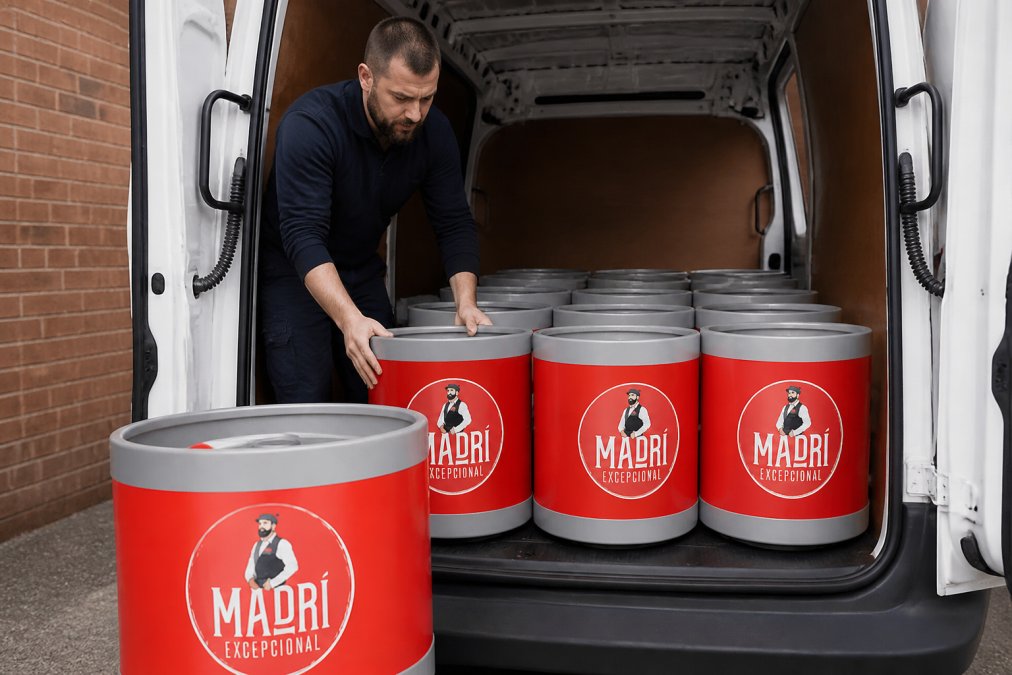
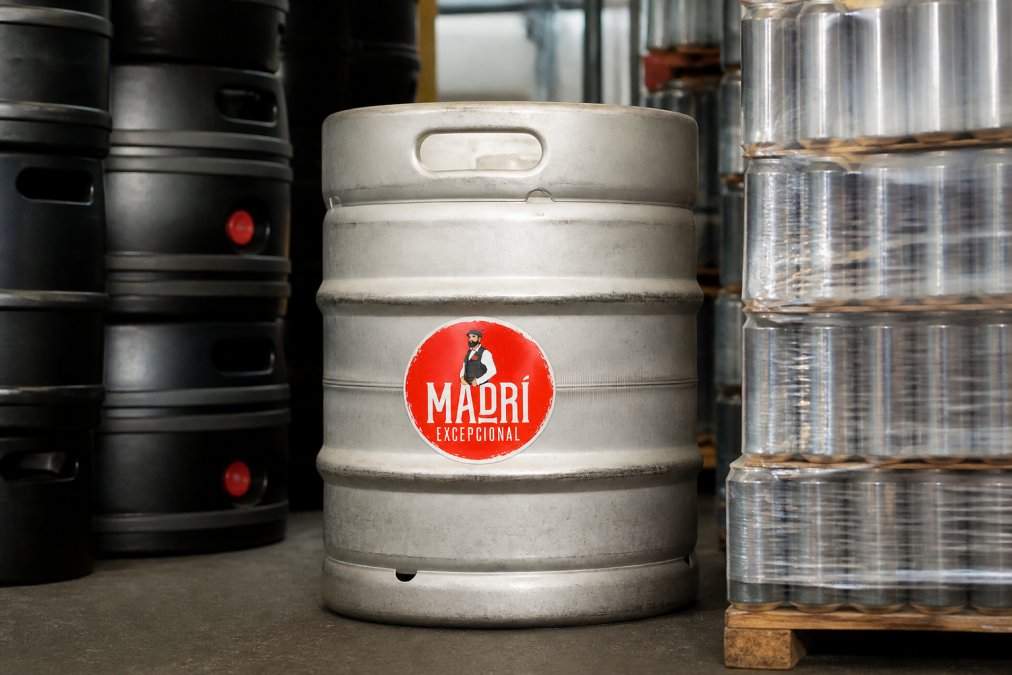
Swallow Drinks carries an extensive range including premium spirits like Bombay Sapphire Gin, craft lagers such as Madri Lager in 50-litre kegs, and premium soft drinks including Fever Tree Tonic. This depth means you're not limited by supplier constraints when building your menu.
Pricing is where many independent operators leave money on the table. You don't have the buying power of a national chain, but you do have negotiating use if you understand what suppliers value: reliability, volume commitment, and long-term partnership.
Start by understanding your cost-per-unit across different suppliers. Don't just compare headline prices on individual products. Calculate the true cost by factoring in delivery fees, minimum order quantities, and payment terms. A supplier offering 2% discount for cash payment might actually be cheaper than one quoting lower unit prices but requiring 30-day payment terms that tie up your working capital (icaew.com).
Many independent operators assume they're locked into whatever pricing is quoted. That's rarely true. Suppliers have margin flexibility, especially for committed volume. If you're ordering regular kegs of draught beer or consistent cases of spirits, you have room to negotiate. The key is approaching it professionally: bring data (your current spend, your growth projections), propose a specific volume commitment, and ask what pricing they can offer against that commitment.
Credit terms matter as much as unit price. A supplier offering 14-day payment terms is effectively giving you a working capital advantage over one requiring cash on delivery. For a small venue ordering £2,000-£3,000 per week, that difference compounds quickly. Ask every supplier about their standard payment terms and whether they'll negotiate for established accounts.
Stock rotation is where many venues lose profitability. Overstock ties up cash and risks spoilage; understock loses sales and frustrates customers. The goal is stock turnover that matches your demand pattern without running out on peak nights.
Effective stock management starts with accurate demand forecasting. Track what you actually sell by product, by day of week, and by season. A Friday night might require triple the stock of a Tuesday afternoon. Seasonal demand shifts are real: summer drives cider and light lager sales; winter favours spirits and stouts. Your procurement strategy should reflect these patterns.
Work with your supplier to establish reorder points and delivery schedules that match your rhythm. If you sell 10 kegs of lager per week and each keg lasts 4-5 days, a twice-weekly delivery makes sense. If you're ordering small quantities frequently, you'll pay more per unit and create unnecessary admin burden. If you're ordering in bulk and running out mid-week, you've overestimated demand.
Many hospitality operators benefit from having their supplier help them think through stock levels. Swallow Drinks can advise on realistic stock for your venue size and customer base, helping you avoid both the cash drain of overstock and the lost revenue of stockouts. This is where a supplier's 40 years of industry experience becomes genuinely valuable, they've seen what works for similar venues.
Delivery reliability is non-negotiable in hospitality. Running out of a core product on a Friday night damages your reputation and costs revenue. Yet many suppliers promise six-day-a-week delivery and fail to deliver consistently.
When evaluating a supplier's logistics capability, ask specific questions: What's their actual delivery track record? Do they deliver on the days they promise? What happens if a delivery is delayed, do they proactively notify you, or do you discover the problem when your stock runs out? Can they offer emergency same-day delivery if something goes wrong?
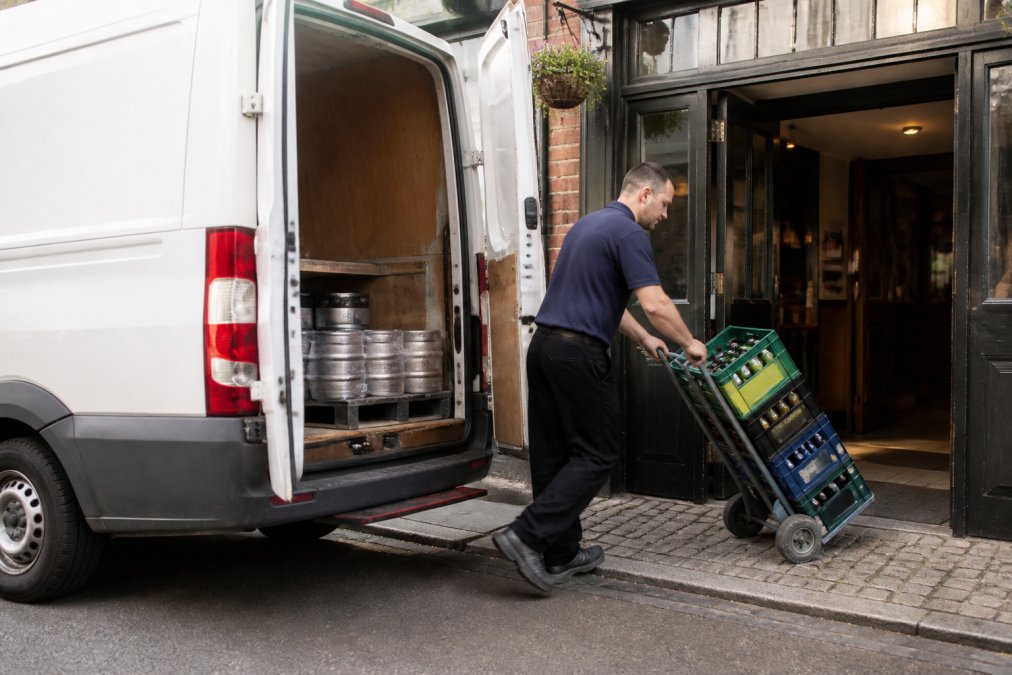
Local suppliers have a structural advantage here. A supplier based in your region can offer flexibility and responsiveness that national distributors struggle with. If your draught beer lines fail on a Friday night, a local supplier can often send someone out quickly. A national distributor's next available slot might be Monday.
Swallow Drinks operates across the region with regular delivery schedules designed for independent venues. Their proximity means they understand local demand patterns and can respond to urgent requests without the delays inherent in national supply chains.
Ask your potential supplier for references from similar venues. Call them directly and ask: "Do they deliver when they say they will? What happens when something goes wrong?" These conversations reveal far more than any sales pitch.
If you're currently operating under a tied pub agreement with a large brewery or national distributor, switching to a free-of-tie arrangement with an independent wholesale drink supplier can fundamentally change your economics.
Tied agreements lock you into buying from one supplier, often at inflated prices justified by the brewery's support (loan of equipment, maintenance of draught lines). You lose control over your portfolio, your pricing, and your margins. Free-of-tie arrangements give you the freedom to choose your suppliers, negotiate pricing, and build a drink portfolio that reflects your customers' preferences and your profit strategy.
The financial impact is substantial. Many operators find they can reduce their cost-of-goods-sold by 8-15% simply by switching from tied to free-of-tie arrangements (bii.org). That difference flows directly to your bottom line. You're also free to work with multiple suppliers if it suits your needs, a specialist wine merchant for your wine program, a craft beer distributor for niche labels, and a general wholesaler for spirits and soft drinks.
Beyond pricing, free-of-tie gives you menu flexibility. You're not locked into the tied supplier's limited range. You can experiment with local craft beers, add independent wines, source niche spirits, whatever your customers want. This flexibility is increasingly important as customer preferences fragment away from mass-market brands.
The transition does require more active management on your part. You're responsible for managing multiple supplier relationships, negotiating pricing, and maintaining stock discipline. But for operators who want control over their business, the trade-off is worth it.
Your wholesale drink supplier must help you meet legal obligations around age verification, responsible service, and product labelling. This is non-negotiable, and it's an area where many smaller suppliers fall short.
Ask potential suppliers about their compliance support: Do they provide training materials on age verification and responsible service? Do they help you understand your obligations under the Licensing Act 2003 (legislation.gov.uk)? Do they supply products with clear labelling that meets Food Standards Agency requirements? Do they maintain proper documentation for their products?
Support also extends to operational issues. If your draught beer lines need repair, does your supplier have the expertise to help diagnose the problem? Can they advise on gas ratios for your mixed gas cylinders? These practical support services matter more than you might expect, a supplier who can talk you through a technical problem at 4 p.m. on a Friday saves you from an expensive emergency call-out.
Swallow Drinks provides support on these operational and compliance questions, drawing on 40 years of experience with independent venues. Their team understands the specific challenges independent operators face and can advise on everything from stock rotation best practices to compliance documentation.
When evaluating suppliers, ask about their support availability. What's their response time for questions? Do they have technical staff who understand draught systems, gas handling, and product storage? Are they available during your peak operating hours?
Choosing a wholesale drink supplier is fundamentally a choice about partnership. You're not just buying products; you're selecting a business partner who influences your profitability, your menu flexibility, and your operational reliability.
The checklist approach, assessing stock range, pricing transparency, delivery reliability, compliance support, and genuine partnership capability, takes the guesswork out of supplier selection. It also gives you a framework for evaluating whether your current supplier is still the right fit as your business evolves.
Swallow Drinks has spent over 40 years building relationships with independent venues across the region. Our vast portfolio of premium wines, beers, spirits, and soft drinks, combined with reliable six-day-a-week delivery and genuine support for your business, makes us the natural choice for operators serious about controlling their margins and building their menu. Explore our full product range and register for trade ordering at Swallow's trade ordering platform to start building your partnership with a supplier that understands your business.
| Supplier Evaluation Criteria | What to Assess | Why It Matters |
|---|---|---|
| Stock Range | Breadth of products, niche availability, local producers | Determines your menu flexibility and differentiation |
| Pricing Transparency | Unit costs, delivery fees, payment terms, willingness to negotiate | Directly impacts your gross margins and cash flow |
| Delivery Reliability | Consistency, frequency, emergency capability, local responsiveness | Prevents stockouts and maintains customer satisfaction |
| Compliance Support | Training materials, labelling guidance, documentation standards | Protects you from regulatory risk |
| Consultative Partnership | Stock advice, portfolio guidance, technical support | Differentiates suppliers who invest in your success |
A: Prioritise suppliers who offer consistent delivery schedules, transparent pricing without hidden fees, a broad drink portfolio including premium and niche brands, and responsive customer service. Verify they understand your venue's specific needs, whether you run a gastropub requiring curated wines or a nightclub needing high-volume spirits and soft drinks. Check their compliance with UK food safety standards and ask about their stock rotation practices to ensure product freshness.
A: Proper stock management prevents over-ordering, which ties up cash and risks product expiration, and under-ordering, which loses sales. Work with your supplier to establish optimal order quantities based on your venue's turnover rates. Track SKU performance weekly, rotate stock using FIFO (first in, first out), and adjust orders seasonally. A supplier offering detailed sales data and flexible delivery can help you maintain better profit margins through reduced waste.
A: Free of tie arrangements give you complete control over which suppliers you use and what products you stock, eliminating forced purchasing from tied operators. This flexibility allows you to negotiate better wholesale drink prices directly, select brands that match your customers' preferences, and respond quickly to market trends. You'll also avoid tied-house restrictions on pricing and promotional activity, giving your venue genuine commercial independence.
A: Build a relationship first by committing to regular orders and prompt payment. Request volume discounts based on your monthly throughput. Ask about seasonal promotions, bundle deals on complementary products, and credit terms that suit your cash flow. Be transparent about your current spending and competitive offers, and consider a trial period to prove reliability before committing to longer contracts.
A: Wholesalers must hold appropriate licences under the Licensing Act 2003 and comply with alcohol duty regulations. They must verify age for alcohol sales, maintain accurate records, and follow food safety standards. Suppliers should provide proof of their credentials and insurance. Ask your potential supplier about their compliance certifications and whether they offer support on your venue's own licensing obligations.
Members of:


AWRS Registration Number: XJAW00000100730