Nov 20, 2026
Last Updated: November 19, 2026
Quick Summary
Wholesale spirits give you predictable margin and a long shelf life, while local craft beer brings footfall, character and a reason for customers to choose you over the pub next door. Most strong bars run both, weighted to their venue type.
Walk into any Birmingham bar this month and you will see the same argument playing out behind the counter: do we put our money behind wholesale spirits or local craft beer?
The short answer: wholesale spirits give you predictable margin and a long shelf life, while local craft beer brings footfall, character and a reason for customers to choose you over the pub next door. Most strong bars run both, weighted to their venue type.
Below, we break down cost, margin and volume side by side, then show you how to build a mix that pays. Keep reading because the numbers matter less than the fit.
That difference drives everything. Spirits reward slower, steadier trade and premium serves. Craft beer rewards busy sessions and customers who want something local and distinctive. But the numbers only make sense when you put them side by side on the same basis.
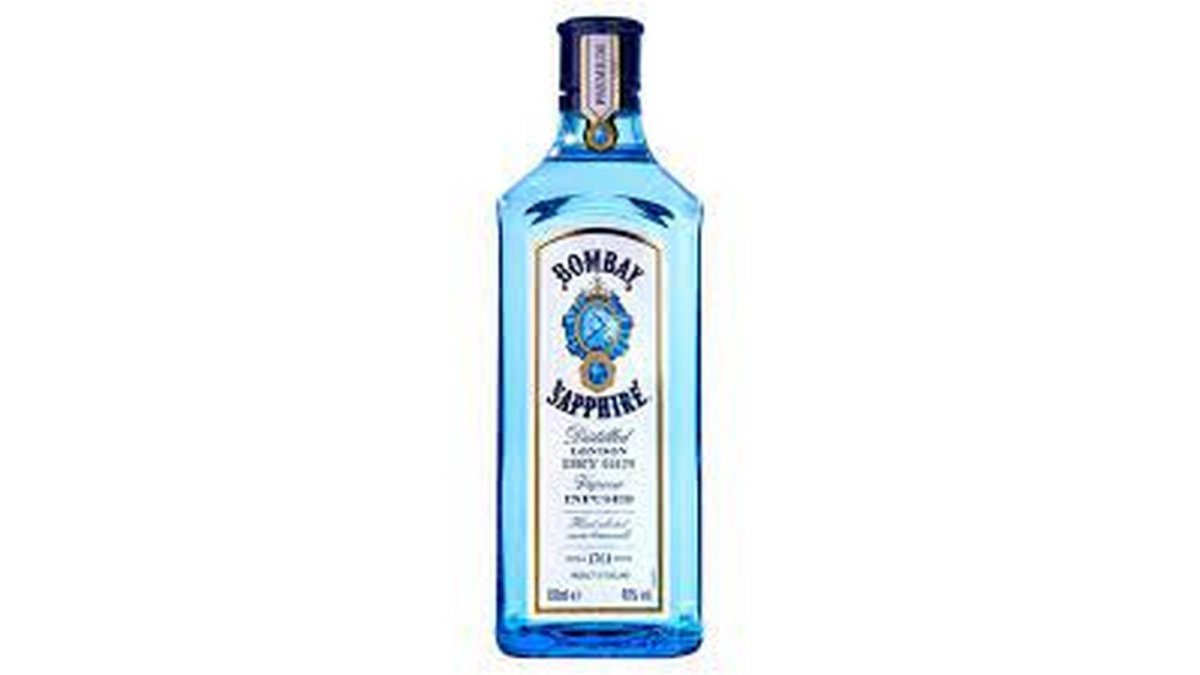
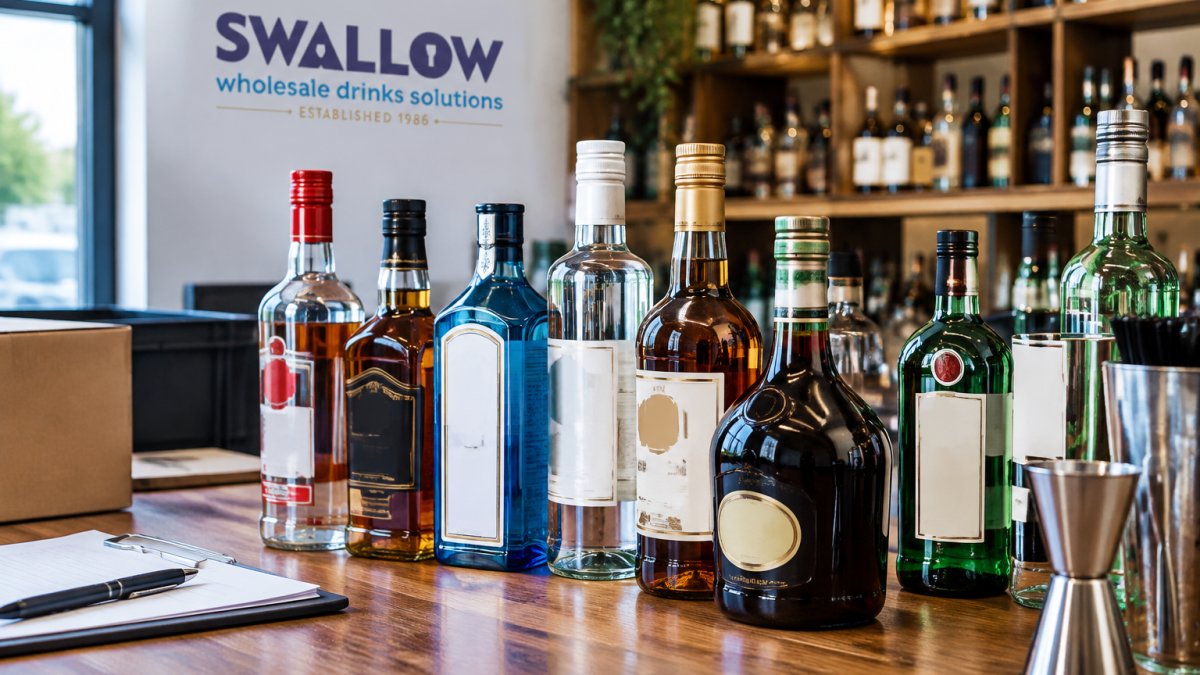
Take the gin first. At £21.70 for a 70cl bottle, a 25ml single measure costs you roughly 78p in spirit. Add a premium tonic and a garnish and your cost per serve sits somewhere around £1.20 to £1.40 depending on the mixer.
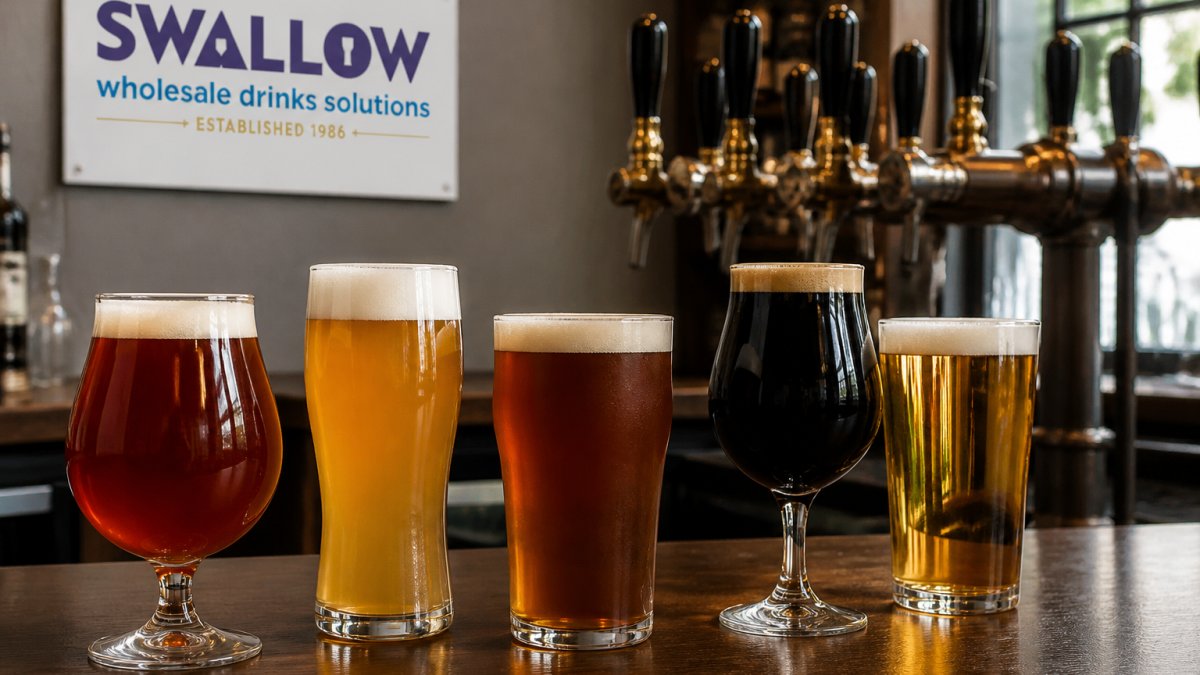
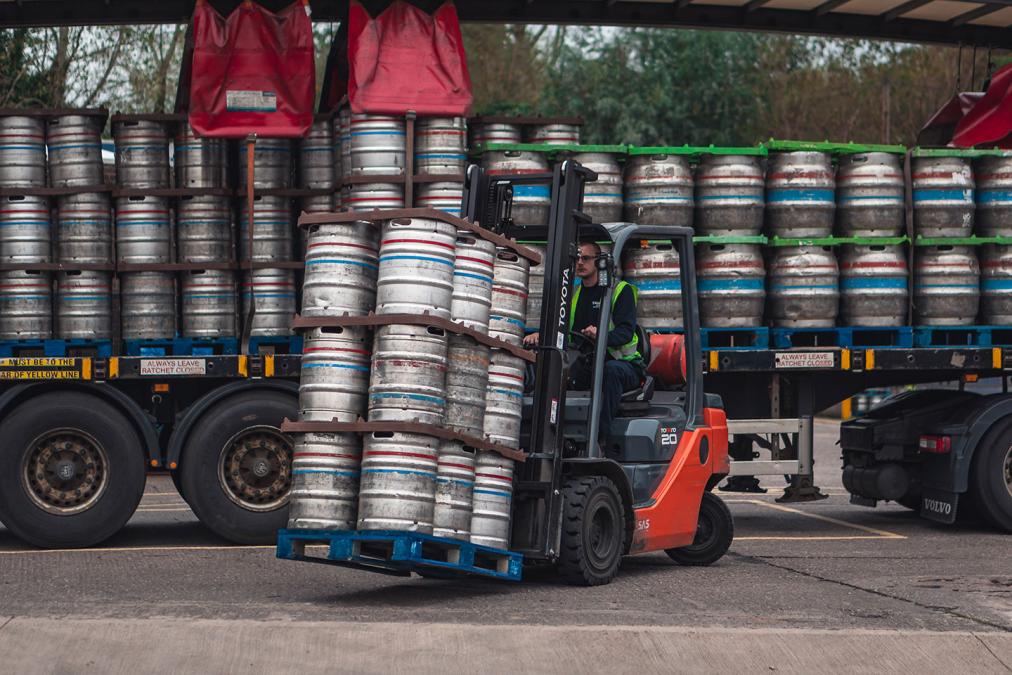
Now the keg. A 30-litre keg at £107.75 holds roughly 52.8 litres, which is about 93 pints at a 568ml serving. That works out at roughly £1.16 per pint in beer cost before wastage. Charge £4.20 to £5.00 for a craft pale in a city bar and your gross profit is roughly £3.04 to £3.84 per pint, but you only realise it if you sell the keg before it goes off.
The headline is that spirits give you a higher gross profit per serve and almost no wastage risk on an unopened bottle, while craft beer gives you a lower gross profit per serve but far more serves per unit of space and a faster cash cycle when trade is busy. A single 70cl gin bottle ties up £21.70 and returns its margin over weeks; a 30-litre keg ties up £107.75 and returns its margin over days if you turn it, or leaks money if you do not.
| Factor | Wholesale Spirits | Local Craft Beer |
|---|---|---|
| Typical purchase cost | £21.70 per 70cl bottle | £107.75 per 30-litre keg |
| Serves per unit | About 28 single 25ml measures | About 93 pints at 568ml |
| Cost per serve | Roughly 78p in spirit | Roughly £1.16 per pint |
| Gross profit per serve | Roughly £3.10 to £4.30 | Roughly £3.04 to £3.84 |
| Wastage risk | Low once opened | High once tapped |
| Cash cycle | Slow, steady | Fast when trade is busy |
| Shelf life | Long, unopened | Short once tapped |
| Space needed | Small | Cellar and lines |
| Best for | Cocktails, nightcaps | Session trade, footfall |
The single biggest difference between the two categories is not the headline margin, it is what happens to unsold product. Unsold stock is the real cost of a quiet week, so a bar with unpredictable midweek trade should consider smaller keg formats. That is why a bar with unpredictable midweek trade should lean on smaller keg formats and keep its spirits range as the stable base.
Watch out: comparing a spirit's gross profit per bottle with a keg's gross profit per keg flatters beer every time, because a keg holds far more serves. Always compare per serve and per week of expected trade, not per unit purchased.
If you want to run these numbers against real trade prices, You can register for trade ordering to see the full range and build a comparison for your own bar.
Choosing craft beer well comes down to matching keg size and style to your actual pour rate, not your ambitions. A quiet venue that taps a 50-litre keg on a slow week pours money down the drain.
Start with volume. If you are weighing sizes, you can check the 30-litre Stirchley lager or compare the 50-litre Stirchley lager to match expected volume.
Then pick styles your customers actually drink. A clean pale ale travels well; a bold IPA needs a crowd that finishes it.
Watch out: ordering a big keg of an unfamiliar style is the fastest way to lose money on craft beer. Consider trialling a smaller format first.
A spirits range for bars should earn its place on the shelf, and that means fewer, better bottles rather than a wall of options nobody orders. Focus on a core gin, a whisky, a rum and a vodka that cover your most-requested serves.
Wholesale spirits give you control. Pair your spirits with the right mixers, and you can order the Coca-Cola and Schweppes range in trade quantities to complete the offer.
What most guides miss is that spirits margin lives in the serve, not the bottle. A well-priced pour with a quality tonic earns more than a rare bottle gathering dust.
Finding a local craft beer supplier in Birmingham is about reliability as much as range. The best supplier keeps local labels flowing and answers the phone when a line fails on a Friday night.
This is where a family-run independent wholesaler earns its keep. Swallow Drinks has supplied the on-trade across Birmingham and the West Midlands for 40 years, with a broad drinks portfolio. If you want a Birmingham-brewed cask bitter, you can view the Brummie 9-gallon cask and see how it fits your handpull.
Sourcing local matters to customers who want provenance. A beer brewed down the road gives them a story and gives you a point of difference.
The right split between spirits and craft beer depends less on taste than on the physical and operational realities of your venue: how much cellar space you have, whether you can refrigerate and keep lines clean, how fast your staff can pour, and what equipment you already own. Two bars with identical menus can need completely different mixes because one has a full cellar and the other has a back-bar fridge and nothing else.
Craft beer is a space commitment. A 30-litre keg needs floor space in a cool cellar, a coupler, a gas line and a clean beer line to the tap. A 50-litre keg such as Salt Alpacalypse IPA at £175.00 needs more of everything and only makes sense where you turn it quickly. Spirits need almost nothing by comparison: a shelf, a speed rail and a locked store. If your cellar is small or shared with food storage, spirits carry far more value per square metre, and craft beer should be limited to one or two lines you know you will finish.
Craft beer has to be served cold and consistently, which means reliable cellar cooling and clean lines. A warm cellar or a dirty line ruins a good pale ale faster than any competitor can. Spirits are far more forgiving: a cool back bar is enough, and most of the work happens at the point of serve with ice and mixers. A venue with unreliable refrigeration should weight its range towards spirits and packaged beer in cans and bottles, which need only a fridge rather than a full cellar setup.
A busy Friday night rewards the venue that can pour fastest. A keg line delivers a pint in seconds with one member of staff, while a spirit and mixer needs ice, a measure, a mixer and a garnish, which takes longer per serve. A high-volume bar with a small team should lean on draught beer for speed and keep its spirits list short and pre-batched where possible. A cocktail-led or food-led venue can afford the slower, higher-value spirit serve because its customers are not queuing for a pint.
For a food-led pub, a Birmingham-brewed canned bitter such as the Brummie cans in 12 x 330ml suits a local trade and pairs with the menu, while a short spirits list covers the aperitif and after-dinner trade.
Best for: craft beer if your customers linger over a pint and you have the cellar and lines to support it. Skip if: your trade is fast, spirit-led and short on cold storage.
Watch out: ordering a large keg of an unfamiliar style before you have the cellar capacity and pour rate to finish it is the fastest way to lose money on craft beer.
Swallow Drinks has supplied the on-trade across Birmingham and the West Midlands for over 40 years and can help you match formats to your actual space and trade. Register for trade ordering to see the full range and place your first order.
Balancing wholesale spirits and local craft beer is not a one-off decision; it is a running judgement about your customers, your space and your pour rate. Get the mix right and both sides of the bar pay their way.
Swallow Drinks is Birmingham's no1 wholesaler, a family-run business with 40 years of experience and a vast portfolio of premium wine, beer, spirits and soft drinks.
Get started with Swallow Drinks and build a drinks range that earns its shelf space. Register for trade ordering to see the full range and place your first order.
The challenge is simple: most bars guess at their spirits and craft beer split and pay for it in wasted kegs and dusty bottles.
Most bars need both, but the split depends on your venue. Spirits give you a compact, long-life product with strong margin per serve, while local craft beer brings character and draws drinkers who want something different. A high-volume nightclub will lean on wholesale spirits and soft drinks, while a gastropub may put more weight on craft beer. Start with what your customers already order, then build a small, focused range of each rather than spreading your budget thin.
Look at what your regulars already drink and match style, strength and format to that. A 4% pale ale in a 30-litre keg suits a busy pub where session drinking matters, while a 50-litre IPA keg works for a venue with steady craft demand. Ask your supplier for samples and check how quickly they can source a new label. Swallow Drinks stocks Camden Pale Ale and Salt Jute IPA, so you can test a small range before committing to more lines.
Yes, and most successful bars do. The trick is to keep each side of the range tight. A core spirits range of five to eight bottles covers the classic serves, and two or three craft beer lines give drinkers a local option without tying up cash in slow-moving kegs. Wholesale spirits keep for months once opened, so they carry less risk than beer. Balance the two by watching what sells each week and adjusting your order rather than guessing.
Check delivery reliability first, because running out on a Saturday costs more than any price difference. Then compare the true cost per serve, not just the headline price, and ask whether minimum orders will tie up your cash. Confirm how quickly a supplier can source a new label and what happens if a line fails. Swallow Drinks has supplied the on-trade for 40 years and offers trade ordering at webtrade.swallow.uk.com.
Members of:


AWRS Registration Number: XJAW00000100730