Aug 24, 2026
Last Updated: August 24, 2026
Bulk alcohol supply for hospitality refers to the wholesale distribution of wines, spirits, beers, and soft drinks to on-trade venues such as pubs, bars, restaurants, and hotels. Rather than purchasing individual bottles from retail outlets, hospitality businesses source their entire drinks portfolio from a dedicated wholesaler, receiving products in bulk quantities, typically kegs, cases, or pallets, at trade prices.
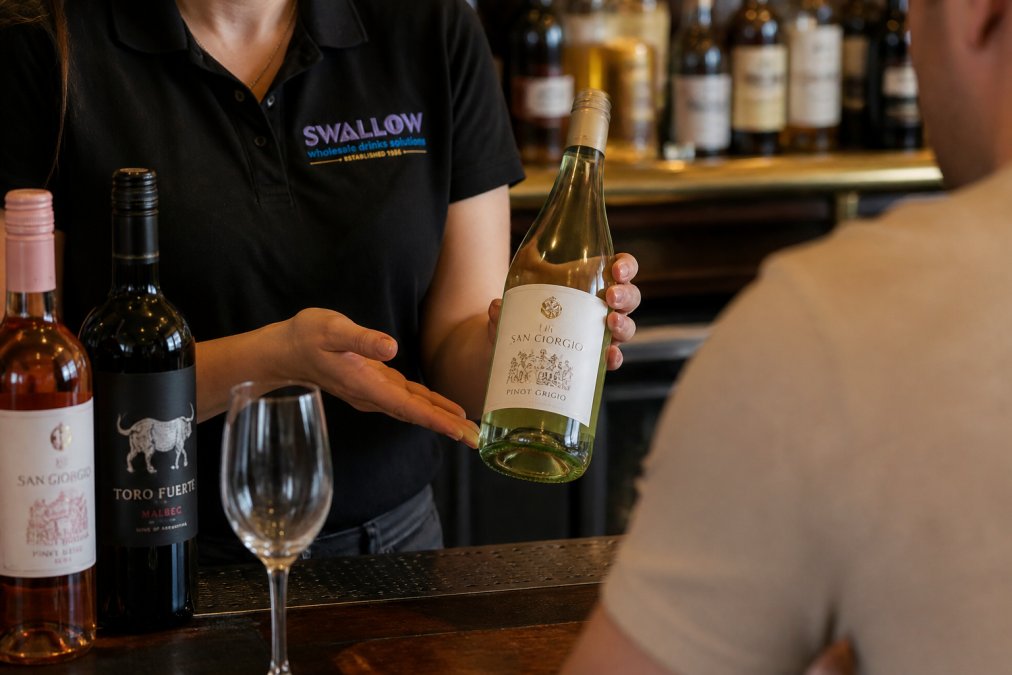
This approach differs fundamentally from retail purchasing. A bar manager ordering stock through bulk alcohol supply for hospitality channels works with a supplier who understands the on-trade sector's specific demands: consistent availability, reliable delivery schedules, product variety, and pricing that protects profit margins on every pour. Swallow Drinks, a family-run independent wholesaler with over 40 years of industry experience, specialises in exactly this model, serving hospitality businesses across the region with a vast portfolio of premium wines, spirits, beers, and soft drinks.
The real value in bulk alcohol supply for hospitality isn't just about volume discounts, though those matter. It's about working with a partner who understands your menu, your customers, and the seasonal shifts in demand. When a gastropub needs to rotate its wine list or a nightclub requires consistent spirit stock across six days a week, the supplier's reliability becomes the difference between smooth operations and Friday-night stock-outs.
The drinks portfolio you can access through bulk alcohol supply for hospitality spans far wider than most venues stock on-site. A quality wholesaler carries premium lagers, craft beers, ciders, spirits, wines, and soft drinks, each category selected for on-trade appeal and consistent demand.
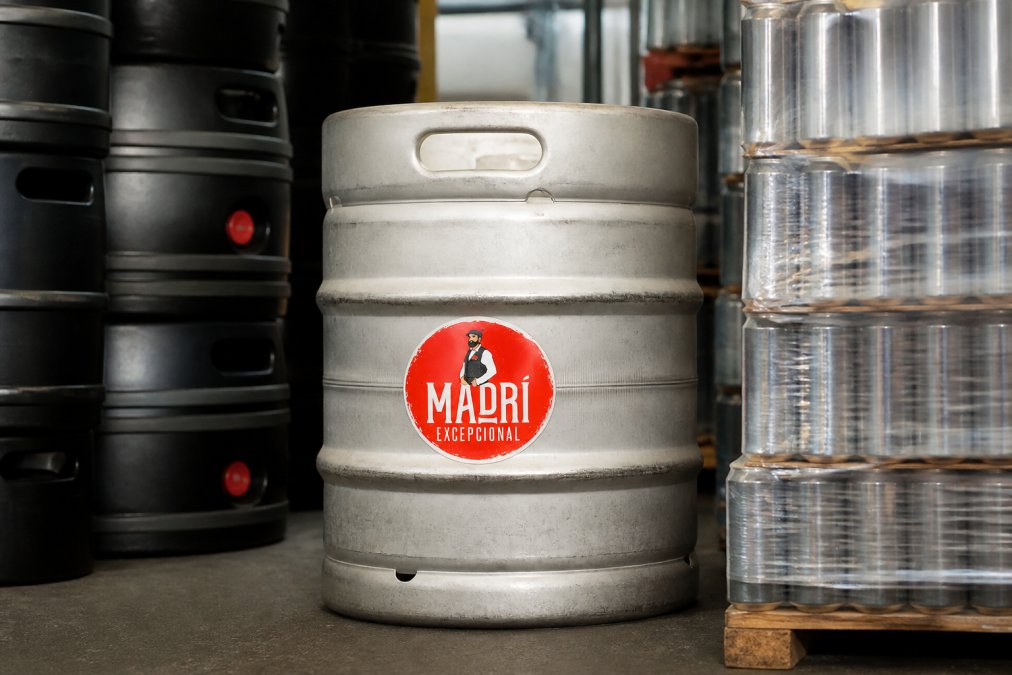
Swallow Drinks maintains stock across multiple beer styles. MADRI LAGER (50 LTRS) 4.6% at £164.50 and CARLING LAGER (50 LTRS) 4% at £175.91 represent core volume sellers, whilst SAN MIGUEL LAGER 50LTR 5% at £192.26 and MORETTI BEER 50LTRS 4.6% at £190.09 cater to venues targeting premium positioning. For stout drinkers, GUINNESS STOUT 50LTR 4.1% at £184.01 remains a non-negotiable fixture in most pubs.



Cider selection matters equally. THATCHERS GOLD 50LTR 4.8% at £138.98 and ASPALLS CYDER (50 LTRS) 4.5% at £135.80 provide options across price points and flavour profiles. These aren't afterthoughts, cider drives meaningful revenue in venues with the right customer base.
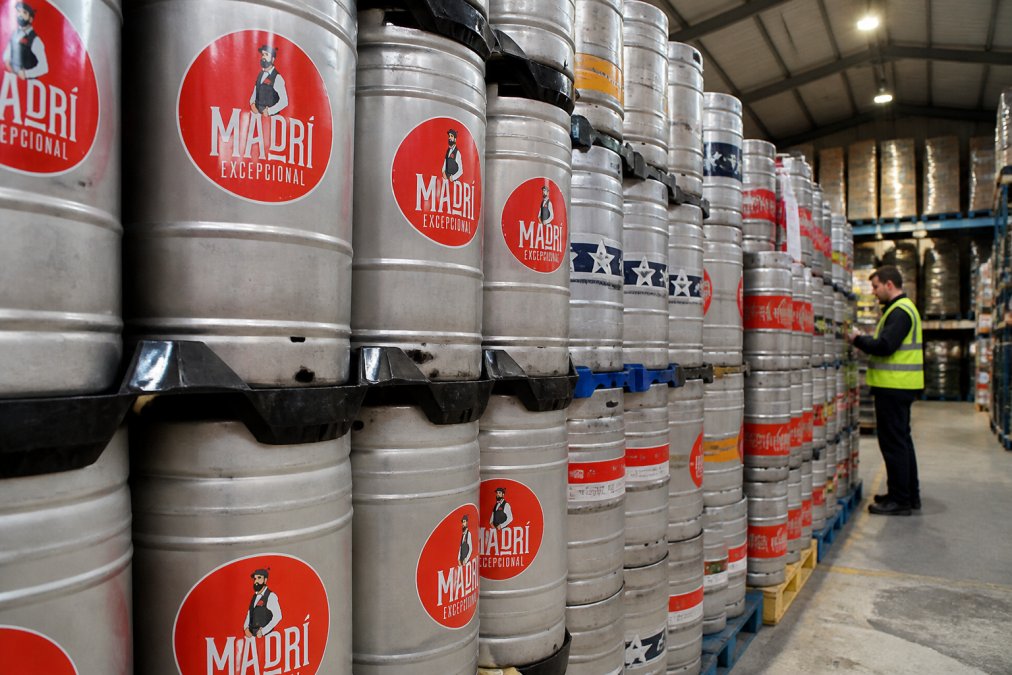
The breadth of available stock directly affects your menu flexibility. A venue limited to five beer options and two ciders operates with constraints. Access to premium lagers, craft selections, and seasonal offerings through bulk alcohol supply for hospitality channels lets you respond to customer preference shifts without scrambling for supply.
Delivery logistics define whether bulk alcohol supply for hospitality actually works in practice. A wholesaler can offer competitive pricing and premium stock, but if delivery arrives erratically or at inconvenient times, the advantage evaporates.
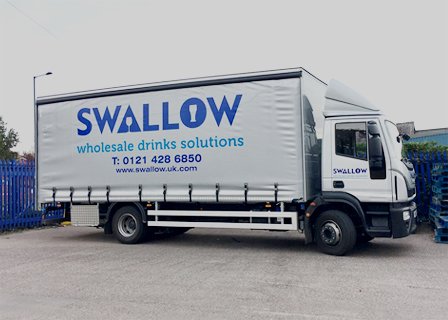
Reliable on-trade wholesalers operate six-day delivery schedules (bii.org). This matters because venues don't close on Saturdays, they're often busiest. A bar that runs out of Guinness on Saturday evening because Friday delivery was missed has a customer problem, not a stock problem. Swallow Drinks operates consistent delivery patterns across the region, understanding that hospitality venues need predictable replenishment windows.
The mechanics of wholesale wine and spirits delivery involve coordination between your venue's storage capacity and the supplier's logistics network. Most on-trade businesses receive deliveries mid-week to avoid weekend disruption, then manage stock rotation through the busy period. A quality supplier coordinates with your team to identify the optimal delivery window, not imposing a schedule, but working around your operations.
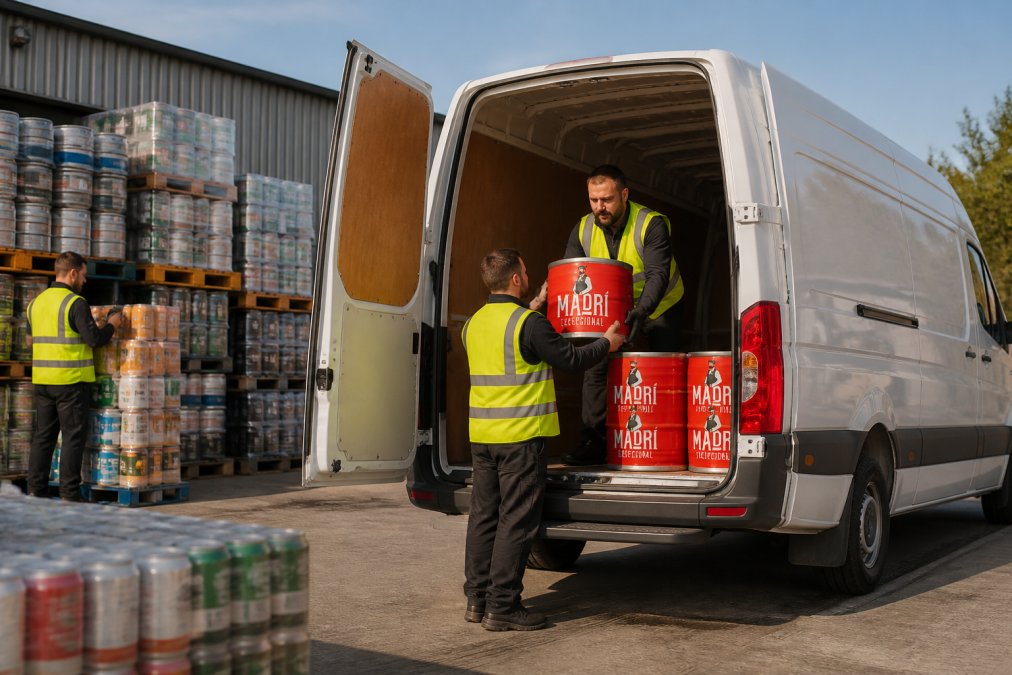
Temperature control during transit matters more than many venues realise (camra.org.uk). Beers and ciders degrade in heat; wines require stable conditions. Professional wholesalers maintain refrigerated transport for temperature-sensitive products, protecting product quality from warehouse to your cellar.
Lead times for bulk alcohol supply for hospitality vary by product type. Core stock, major lager brands, Guinness, standard ciders, typically ships within one to two working days. Niche or seasonal selections may require longer notice. A supplier with established relationships across the drinks industry can source specialist products faster than a venue ordering independently.
| Delivery Factor | Standard Expectation | Swallow Advantage |
|---|---|---|
| Delivery frequency | 2-3 times weekly | 6-day weekly coverage |
| Lead time (core stock) | 1-2 working days | Next-day availability |
| Temperature control | Standard | Refrigerated transport |
| Flexibility | Fixed schedules | Tailored to venue needs |
Setting up a trade account for bulk alcohol supply for hospitality is straightforward but requires understanding the terms. Most wholesalers ask for basic business information, proof of on-trade licensing, and establishment of payment terms, typically 30 days net for established venues (gov.uk).
Trade account registration for drinks with Swallow Drinks begins with a conversation about your venue's needs. Rather than a generic online form, the team discusses your current stock levels, seasonal patterns, and growth plans. This context shapes the account structure, ensuring minimum order quantities and delivery schedules align with your actual operations.
Payment terms matter more than many venues initially recognise. A 30-day account lets you sell the drinks before paying the invoice, crucial for cash flow in hospitality. Some wholesalers demand upfront payment or shorter terms; others offer flexibility for established accounts. Transparent terms prevent surprises and build the trust required for a long-term partnership.
Access to online ordering through Swallow's trade portal simplifies reordering. Rather than phoning orders, registered trade accounts log in, review current pricing, check stock availability, and place orders in minutes. This self-service model reduces administrative friction whilst maintaining direct contact with the team for questions or special requests.
Many venues worry about minimum order quantities (MOQ) when exploring bulk alcohol supply for hospitality options. The concern is valid, tying up cash in stock you can't move quickly creates pressure. Quality independents set realistic MOQs based on venue size. A small gastropub doesn't face the same minimums as a hotel group; the supplier scales expectations to match your throughput.
Effective stock management transforms bulk alcohol supply for hospitality from a cost centre into a profit driver. The challenge isn't acquiring stock, it's rotating it efficiently, minimising waste, and maximising margin on every pour.
First-in-first-out (FIFO) rotation prevents stock from aging unnecessarily. Beers and ciders have shelf lives measured in weeks or months depending on storage conditions. Spirits and wines last longer, but temperature and light exposure still matter. A venue that applies FIFO discipline, always using older stock first, avoids the scenario where premium product expires before service.
Par level management defines how much stock you maintain for each product. A high-volume lager like Carling warrants larger par levels; a seasonal craft beer might sit at minimal stock. The par level balances availability against storage space and capital tied up in stock. Most venues calculate par levels based on weekly throughput multiplied by a safety factor (typically 1.5 to 2 weeks of stock).
Seasonal demand shifts require proactive planning. Summer drives cider and lighter beer sales; winter emphasises spirits and darker beers. A venue that anticipates these shifts, increasing cider orders in May, reducing them by September, avoids both stock-outs and excess stock. Your wholesaler should help forecast these patterns based on historical data.
Cost-per-serve calculations reveal which products actually generate profit. Two products might both sell at £5 per drink, but if one costs £1.50 per serve and the other costs £1.20, the margin difference compounds across hundreds of serves monthly. Understanding these economics lets you make informed menu decisions rather than guessing.
Waste tracking identifies leaks. Spillage, breakage, and over-pouring reduce margins silently. A venue that measures waste, tracking it by product and cause, can address the largest contributors. Broken draught lines leak product; over-generous pours reduce margin; spillage during service adds up. Quantifying waste makes the problem visible and actionable.
Independent wholesalers like Swallow Drinks operate differently from national chains. The differences matter when you need reliability, flexibility, and genuine partnership.
Personal relationships form the foundation. When you work with an independent, the team knows your venue. They understand your customer base, your menu positioning, and your seasonal patterns. This context shapes recommendations, a suggestion that makes sense for a high-volume nightclub doesn't suit a quiet gastropub. National chains operate transactionally; independents operate relationally.
Flexibility in ordering and delivery reflects the independent model. An independent adjusts terms to match your reality. If you need an urgent delivery of a specific product for an event, an independent wholesaler can often accommodate. This responsiveness prevents the stock-outs that damage customer experience.
Menu consultation services distinguish quality independents. Rather than just taking orders, the best suppliers help you think through stock strategy. They might suggest product combinations that work for your venue type, identify margin opportunities, or recommend niche products that differentiate your offering. This advisory role elevates the relationship beyond procurement.
Local knowledge matters in ways national suppliers can't replicate. An independent serving the region understands local preferences, seasonal patterns, and competitive dynamics. They know what's selling in other venues, what's coming into trend, and where opportunities exist. This intelligence helps you stay ahead of customer expectations.
Support for on-trade equipment, draught lines, gas supply, dispense systems, often comes from independents as part of the relationship. When your Guinness tap stops pouring on a Friday night, an independent supplier has someone who can help quickly.
| Aspect | Independent Wholesaler | National Chain |
|---|---|---|
| Account management | Dedicated relationship | Transaction-based |
| Flexibility | Tailored to your needs | Standardised terms |
| Delivery windows | Responsive to requests | Fixed schedules |
| Menu consultation | Proactive advice | Order-taking only |
| Equipment support | Direct assistance | Call centre routing |
| Local knowledge | Deep regional insight | Generic national data |
Selecting a bulk alcohol supply for hospitality partner requires evaluating several dimensions beyond price alone.
Reliability in delivery sets the baseline. A supplier offering attractive pricing but inconsistent delivery creates operational chaos. Evaluate their track record: do they deliver when promised? Do they maintain six-day coverage? Can they handle urgent requests? References from other venues provide honest feedback on consistency.
Product breadth matters for menu flexibility. A supplier carrying only core brands limits your options. Look for wholesalers offering premium selections, craft options, and niche products. The ability to source specialist items, local craft beers, premium wines, seasonal offerings, differentiates your venue.
Pricing transparency prevents surprises. Ask about all costs upfront: per-unit pricing, delivery charges, any volume discounts, and how pricing adjusts over time. Hidden surcharges that appear on invoices erode trust. A supplier that breaks down costs clearly and explains pricing logic builds confidence.
Account support quality determines whether you're just buying stock or gaining a genuine partner. Do they understand your venue type? Can they help with menu planning? Will they support equipment issues? The best suppliers treat accounts as long-term relationships, not one-off transactions.
Minimum order quantities should align with your venue size and cash flow. A small independent bar shouldn't face MOQs designed for hotel groups. Realistic minimums reflect the supplier's willingness to serve businesses of different scales.
Payment terms affect your cash flow directly. Thirty-day net terms let you sell the product before paying. Shorter terms or upfront payment create pressure. Evaluate what terms work for your business cycle.
Swallow Drinks ticks these boxes consistently. Over 40 years in the business, the team understands on-trade needs intimately. The portfolio spans premium brands and niche selections. Delivery operates six days weekly across the region. Account support includes menu consultation and equipment assistance. Most importantly, the approach prioritises your venue's success, not just transaction volume.
Choosing the right partner for bulk alcohol supply for hospitality determines whether procurement becomes a strategic advantage or an ongoing headache. Swallow Drinks has spent over 40 years building relationships with independent venues across the region, understanding that reliability, flexibility, and genuine partnership matter more than scale. Whether you're a small gastropub seeking curated wine sourcing or a high-volume nightclub requiring consistent spirit stock, the team works with your specific needs rather than imposing standardised terms. Register your trade account at Swallow's online portal to explore how consistent six-day delivery, transparent pricing, and dedicated account support can simplify your drinks procurement and protect your margins.
A: Bulk alcohol supply for hospitality refers to purchasing drinks in large quantities from wholesale distributors specifically for on-trade businesses like pubs, bars, and restaurants. Rather than buying individual bottles from retail shops, hospitality venues work with suppliers who provide kegs, cases, and pallets at trade prices. This approach reduces per-unit costs, ensures consistent stock availability, and simplifies the supply chain management process for busy venues.
A: Most wholesale distributors require you to complete a trade account registration process. You'll typically need to provide business details, proof of your hospitality licence, and banking information. Swallow Drinks streamlines this through their online trade platform at webtrade.swallow.uk.com, where you can set up your account, browse the full product portfolio, place orders, and manage your stock requirements. You can begin ordering immediately once approved.
A: Minimum order quantities vary by supplier and product type. Many independent wholesalers offer flexible MOQs for smaller hospitality venues, whereas larger distributors may require full pallet orders. Swallow Drinks works with independent pubs and bars of all sizes, offering realistic order quantities that match your venue's needs without forcing excess stock. This flexibility ensures you're not tied up with cash in overstocked drinks that won't sell quickly.
A: Wholesale wine and spirits delivery typically operates on a scheduled basis, many suppliers offer six-day-a-week delivery to ensure you never run out during peak trading periods. Orders are usually placed online or via phone, with next-day or scheduled delivery available depending on your location and supplier. Swallow Drinks provides consistent delivery across the region, with transparent lead times and the ability to track your order. This reliability means your bar or restaurant maintains full stock without the risk of Saturday shortages.
Members of:


AWRS Registration Number: XJAW00000100730