Sep 16, 2026
Last Updated: September 16, 2026
A restaurant wine list lives or dies on regional diversity. Put simply, regional diversity is the practice of building a list that draws from several distinct wine regions rather than leaning on one country or style. This guide from Swallow Drinks sets out the top 7 wine regions for restaurant lists UK 2026, chosen for margin, by-the-glass performance and the way each one pairs with modern menus.
The case for spreading your buying across regions is straightforward. A list built on a single region leaves you exposed when a vintage underperforms, when a supplier's allocation tightens, or when guests simply want something different from last month. Regional spread fixes all three problems at once.
UK hospitality guidance from UKHospitality industry resources has long stressed that drinks range is one of the few levers an operator controls directly, and it is one of the fastest to adjust.
Building a profitable restaurant wine list means choosing regions, not just bottles. Start with the price-to-quality ratio, then layer in style coverage, then let your menu decide the final shape.
Work through it in this order:
That structure gives you depth without a bloated cellar. It also makes life easier for whoever writes your tasting menus, because every course has an obvious match.
The regions that protect margin best are the ones with strong viticulture but weaker brand recognition. Abruzzo and Sicily both deliver serious quality at entry-level pricing, while Veneto and Rioja carry enough name recognition to support a higher price on the list.
| Region | Style Strength | Typical Trade Price Band | Margin Role |
|---|---|---|---|
| Veneto | Crisp white, light red | Entry to mid | High-volume by-the-glass |
| Abruzzo | Structured red | Entry | House red, high margin |
| Tuscany | Premium red | Mid to upper | Trade-up anchor |
| Sicily | Fresh white, soft red | Entry | Discovery pours |
| England | Sparkling, crisp white | Mid to upper | Local story, premium |
| Rioja | Cellar-led red | Mid | Classic trade-up |
The principle is simple: buy your volume from the value regions, and let the famous regions earn the premium. That mix keeps your average pour cost in a healthy place while still giving guests something aspirational to order.
Veneto earns its place because it does the unglamorous job better than almost anywhere else. Soave and Pinot Grigio from the region give you a clean, food-friendly white that sells all year, and the reds from Valpolicella cover the lighter end of your red list.
The diversity of styles is the real draw. Veneto produces everything from crisp Garganega-based whites to the cherry-and-spice reds of Valpolicella, which means one region can fill several slots on your list without repeating itself. For a busy bar, that is efficiency.
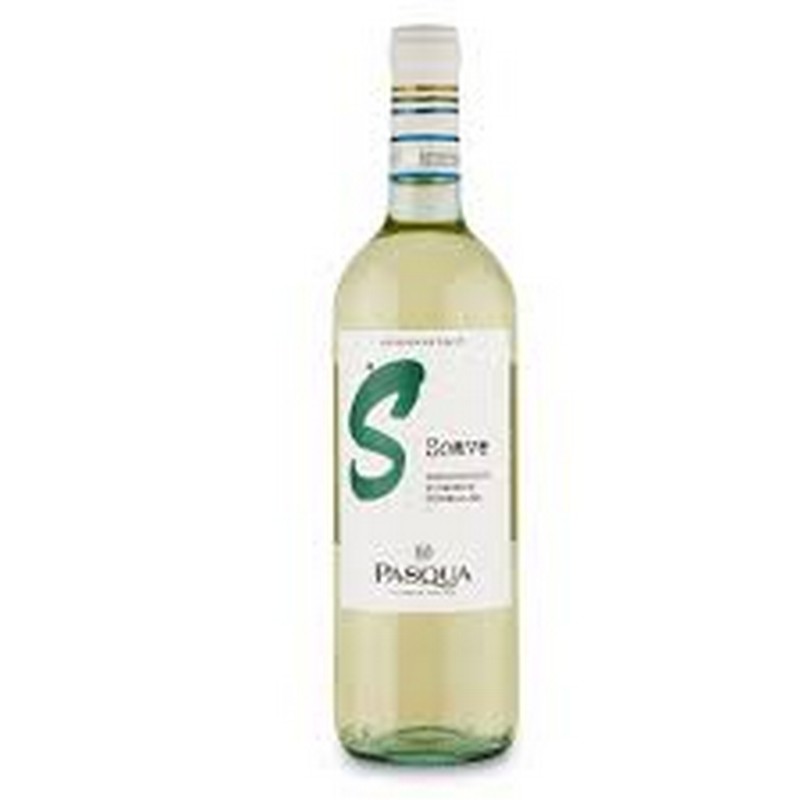
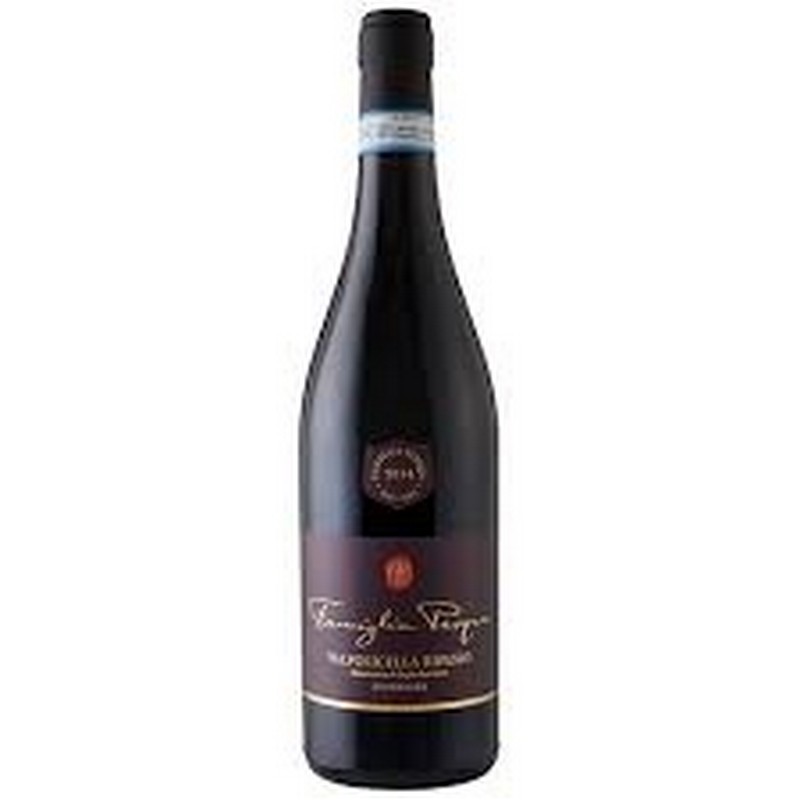
Swallow Drinks stocks PASQUA COLORI SOAVE 12% 75CL (V) at £6.99, a peach-and-citrus white that works as a house pour, and FAMIGLIA PASQUA VALPOLICELLA RIPASSO 13.5% 75CL (V) at £12.00 for the trade-up red.
Abruzzo is the value play that most lists underuse. Montepulciano d'Abruzzo grown on the region's mountainous central Italian terrain delivers soft tannin and dark fruit at a price that leaves real room for margin.
The region's viticulture is shaped by its geography: vineyards sit between the Apennines and the Adriatic, and that elevation keeps acidity fresh even in warm years. For a gastropub building a red list around food, that balance matters more than a famous name.
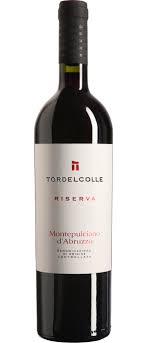
Swallow Drinks lists MONTEPULCIANO D'ABRUZZO RISERVA TOR DEL COLLE 13.5% 75CL at £6.64, a reserva with enough structure for a tasting menu's main course.
PASQUA COLORI PINOT GRIGIO 12% 75CL (V) →
Tuscany remains the anchor of the premium half of a list, and sustainable viticulture is now the reason guests choose it. Organic and biodynamic certification has moved from niche to expected at the upper end of the market, and the practical effect for buyers is that Tuscan listings increasingly come with a story worth printing on the menu.
Start with the sub-regions, because they behave differently on a list. Chianti Classico sits in the hills between Florence and Siena and gives you the Sangiovese-led red that most guests already recognise by name. Montalcino, further south, produces Brunello, a fuller, longer-lived expression that suits a trade-up slot. Montepulciano (the Tuscan one, not the Abruzzo grape) delivers Vino Nobile, which sits between the two on price and weight. Maremma, on the coast, is where a growing number of organic and biodynamic producers work, and its coastal whites and softer reds are useful for by-the-glass pours that do not need a famous name to sell.
The certification question is where most lists get caught out. The Soil Association organic certification standards set out what organic labelling means in practice, and the biodynamic certification guidance covers the stricter Demeter-aligned approach. Knowing the difference lets you answer guest questions with confidence rather than guessing. A short menu line, "organically farmed, certified since 2019", does more for a trade-up sale than a paragraph of tasting notes.
The commercial argument for Tuscan sustainability is not purely ethical. Organic and biodynamic producers tend to be smaller, which means allocations are tighter but relationships are closer, and a supplier who can hold stock for you through a busy December is worth more than a marginally cheaper listing you cannot reorder. Swallow Drinks lists Tuscan reds, and trade customers can check live stock and plan deliveries through the trade account.
Pair a Tuscan red with a seasonal autumn dish, a wild mushroom risotto, a braised beef shin, and the pairing sells itself.
Sicily is the emerging wine region to watch for 2026.
Rioja is the cellar-led classic that keeps earning its shelf space.
The thread running through all seven regions is sourcing discipline.
Sicily, Abruzzo and English vineyards are the fastest-growing choices for UK restaurant lists in 2026. Sicilian whites from the Arcano range at £5.70 per 75cl bottle offer accessible pricing, while Abruzzo reds such as Montepulciano d'Abruzzo Riserva Tor del Colle at £6.64 give fine-dining depth without stretching your margin. English sparkling continues to gain ground on by-the-glass menus, and Veneto remains the reliable backbone for house pours.
Start with your average spend per head and the dishes you actually sell. High-volume venues leaning on by-the-glass trade benefit from Veneto and Sicily, where Pasqua Colori Pinot Grigio at £6.99 and Arcano Pinot Grigio at £5.70 keep pour costs predictable. Gastropubs with tasting menus can stretch to Tuscany and Rioja. Build your list so roughly 60% sits in accessible regions and 40% in premium ones, then adjust after four to six weeks of sales data.
A premium list balances regional diversity, vintage depth and price laddering. Aim for a mix of organic, biodynamic and sustainable viticulture options. Accessible by-the-glass pours should sit alongside more premium selections, and every region should have a clear food pairing story. Depth matters more than breadth: well-chosen wines per region beat random labels.
Swallow Drinks is a family-run independent wholesaler with 40 years of experience supplying the on-trade across Birmingham and the surrounding areas. Register at webtrade.swallow.uk.com to access trade pricing, a portfolio spanning Veneto, Abruzzo, Tuscany, Sicily and beyond, and six-day-a-week delivery. If you need a niche label added to your menu, the team can source it without tying up your cash in minimum orders.
Yes. English sparkling wine has moved from novelty to staple on many by-the-glass menus, particularly in gastropubs and fine-dining venues. The combination of local provenance, sustainable viticulture and strong food pairing flexibility makes it an easy sell. Stock a single English sparkling so guests can trade up or down without leaving the category, and price it to sit just below your premium fizz.
Members of:


AWRS Registration Number: XJAW00000100730