Aug 29, 2026
Last Updated: August 29, 2026
Boutique hotels operate on margins that demand precision. Every purchasing decision ripples through your bottom line, your brand reputation, and your guest experience. At Swallow Drinks, we've worked with independent hospitality venues across the region for over 40 years, and we've seen firsthand how sustainable drink sourcing transforms operations, not just environmentally, but financially.
The real pressure isn't coming from environmental activists alone. Guests increasingly expect their accommodation to reflect values they care about. When a boutique hotel sources drinks thoughtfully, that choice becomes part of the story you tell. It's a competitive advantage. A differentiation point. But it only works if the sourcing strategy is genuine and operationally sound.
Sustainable drink sourcing means understanding where your drinks come from, how they're produced, and what happens to the packaging when guests finish them. It means building relationships with suppliers who share your commitment, not just suppliers who talk about it. For boutique hotels, this approach reduces food miles, cuts waste, strengthens supply chain transparency, and often improves cost predictability. The businesses that get it right report stronger guest loyalty, clearer cost control, and less operational friction around procurement.
Here's what separates a working sustainable programme from one that looks good on paper but collapses under operational pressure: specificity. A vague commitment to "eco-friendly drinks" fails. A detailed strategy, one that names suppliers, specifies certifications, and builds waste reduction into your ordering rhythm, succeeds.
Sourcing drinks locally isn't just about supporting regional producers, though that matters. It's about controlling your supply chain. When your supplier is 30 miles away instead of 300, you reduce carbon footprint, improve delivery reliability, and build relationships with people who understand your market.
Food miles accumulate fast in hospitality. A spirit sourced from overseas travels by air or sea, sits in distribution warehouses, and travels again to reach your bar. A local craft beer travels once, from brewery to your venue. The difference in carbon footprint is substantial, and the operational difference is even more significant: local suppliers respond faster to menu changes, understand seasonal availability, and adjust stock without the lag time of international logistics.
The strategy here is straightforward: identify producers within your region first, then expand outward only when local options don't meet your needs. Start with spirits and wines produced in the UK. Move to craft beers from regional breweries. Then add soft drinks and mixers from local suppliers. This tiered approach means you're not abandoning variety, you're prioritising proximity for the categories where it's possible.
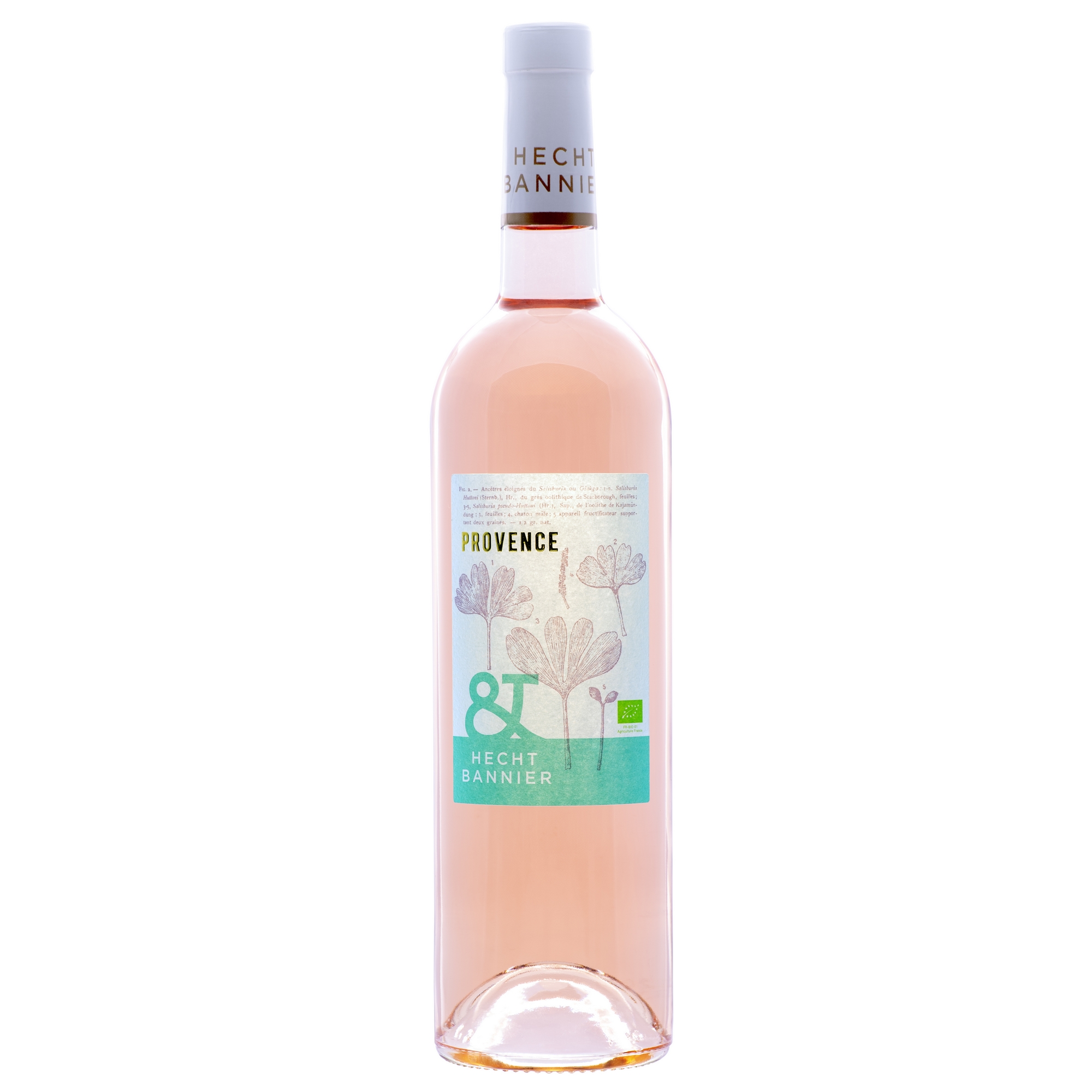
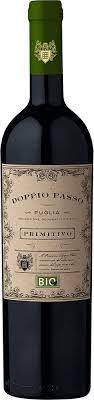
Work with suppliers like Swallow Drinks who understand local sourcing deeply. We stock organic wines from producers across the UK and Europe, options like COTEAUX D'AIX-EN-PROVENCE (ORG) ROSE and DOPPIO PASSO ORGANIC, that prioritise sustainable production methods while keeping food miles reasonable. These aren't compromises on quality; they're the opposite. Organic certification demands rigorous standards that often produce superior flavour profiles.
Seasonal sourcing amplifies the local advantage. Summer calls for lighter drinks, local soft drinks, and refreshing wines. Winter shifts toward heavier spirits, warming drinks, and fuller-bodied wines. By aligning your menu with seasonal availability, you're working with producers' natural cycles rather than against them. This reduces pressure on suppliers to ship out-of-season stock, lowers your costs, and gives your menu authentic character.

Not every supplier claiming sustainability actually delivers it. The difference between marketing language and genuine commitment shows up in specifics: certifications, supply chain transparency, and willingness to share data about their environmental impact.
Start by asking suppliers direct questions. How do they source their products? What certifications do they hold? Can they provide documentation? A supplier worth working with will answer these questions clearly and provide evidence. If they're vague or defensive, that's a signal to look elsewhere.
Environmental certifications matter because they're independently verified. They're not claims the supplier makes, they're standards a third party has confirmed. The certifications worth prioritising include organic certification, fair trade certification, and carbon-neutral credentials.
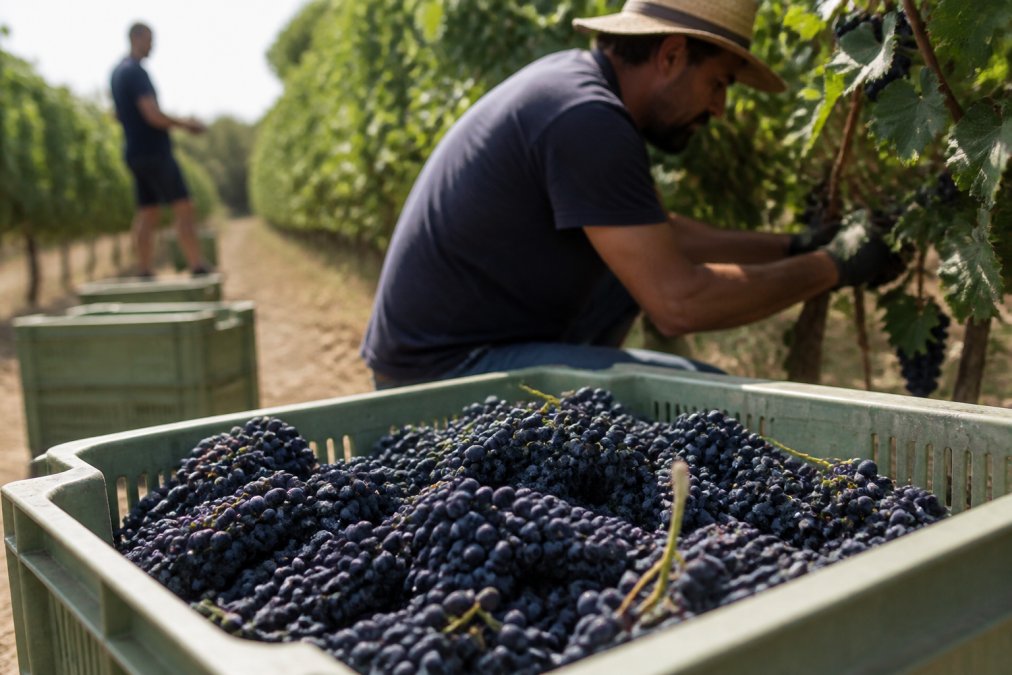
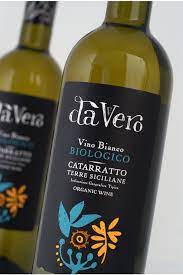
Organic certification means the product was produced without synthetic pesticides, artificial fertilisers, or genetically modified organisms (soilassociation.org). For wine and spirits, this matters because it reflects production methods that protect soil health and water quality. The DA VERO CATARATTO ORGANIC we stock, for example, is certified organic, meaning every step from vineyard to bottle meets rigorous standards.
Fair trade certification ensures producers receive fair compensation and work under safe conditions (fairtrade.org.uk). This matters less for spirits produced in developed economies but becomes crucial when sourcing from regions where labour standards vary. Fair trade certification is your verification that the supply chain is ethical.
Carbon-neutral certifications indicate the supplier has measured their emissions and offset them through verified programmes (bsigroup.com). This is becoming increasingly common and represents genuine environmental commitment. Ask suppliers for their carbon accounting methodology, if they can't explain it, the certification may be superficial.
Use this checklist when evaluating a new drinks supplier:
A supplier ticking most of these boxes is worth deeper conversation. Swallow Drinks, for instance, has built our 40-year reputation on transparency, reliability, and understanding the specific needs of independent hospitality venues. Our team can help you navigate certifications, source seasonal drinks, and design a stock rotation that minimises waste.
Bar waste in hotels comes from three sources: overstock that expires before use, short-dated products received from suppliers, and packaging waste from single-use bottles and containers.
Smart sourcing addresses all three. It starts with ordering discipline, ordering only what you'll actually sell within a reasonable timeframe. It continues with supplier selection: choosing partners who understand your volume and can deliver appropriate quantities without forcing you to overstock. And it ends with packaging choices that reduce single-use waste.
Short-dated products are a particular problem. A supplier sends you stock that's already six months into its shelf life. You sell it, but you've got no buffer for slow-moving lines. The next time you order, you're nervous about quantity. You under-order. You run out. You make emergency calls. The operational friction multiplies.
Work with suppliers who prioritise fresh stock. Swallow Drinks manages our stock to ensure you receive products with full shelf life remaining, not short-dated stock that forces you into uncomfortable choices between waste and risk.
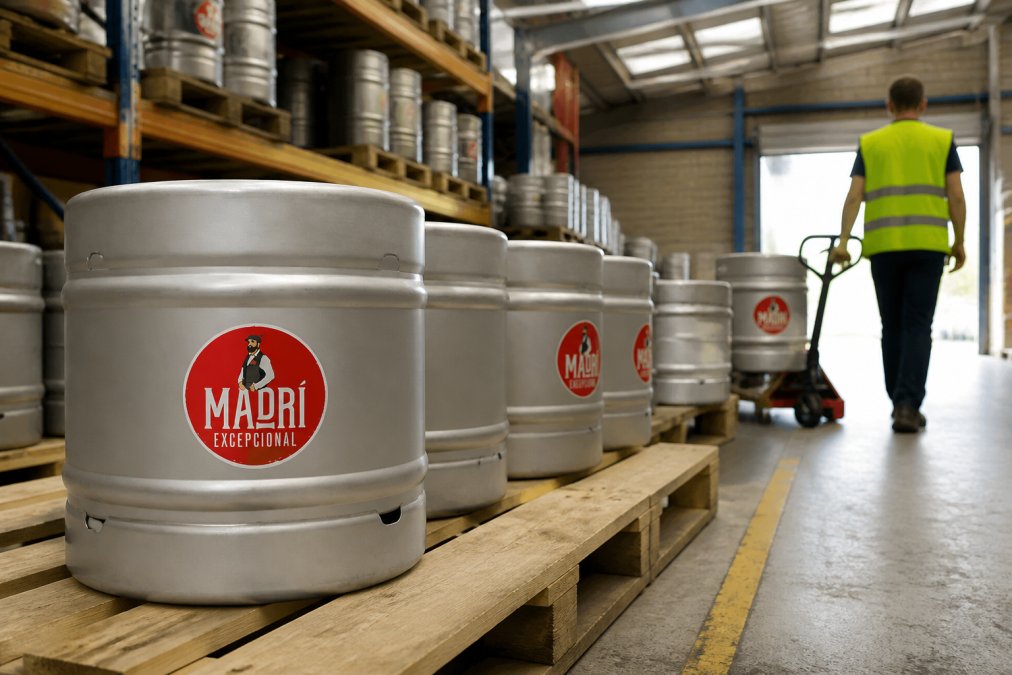
Packaging waste reduction works best when built into your sourcing strategy from the start. Glass bottles are recyclable but heavy and fragile. Cans are lighter and more durable. Some suppliers offer bulk options that reduce packaging per unit. Ask about these options explicitly. A supplier offering 10-litre kegs of soft drinks, for example, eliminates dozens of single-use bottles from your waste stream.
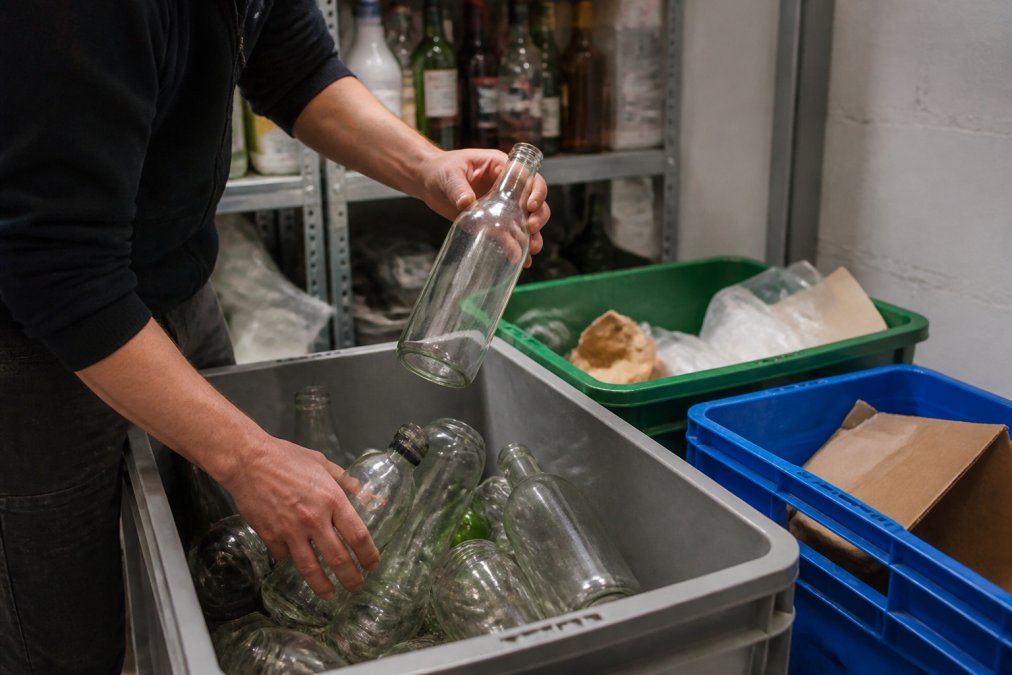
Stock rotation is your operational tool for waste reduction. Use the FIFO method (first in, first out) consistently. Train your bar team to rotate stock properly. Implement a simple tracking system, even a spreadsheet, that flags slow-moving lines before they become waste. Many hotels find that small changes in ordering frequency (moving from monthly to fortnightly orders, for example) dramatically reduce waste because stock turns faster.
The misconception about sustainable sourcing is that it costs more. Sometimes it does. Often it doesn't. The real question is ROI: what do you get for your investment?
Sustainable sourcing typically delivers ROI through three mechanisms: reduced waste (fewer expired or damaged products), improved supply chain reliability (fewer emergency orders at premium prices), and enhanced guest perception (which drives repeat bookings and word-of-mouth).
Waste reduction alone often pays for itself. If your current operation loses 3-5% of stock to expiration, spoilage, or damage, sustainable sourcing practices can cut that in half. For a boutique hotel with a £15,000 annual drinks budget, a 2% improvement means £300 back in your margin. Scale that across multiple properties and the number becomes significant.
Supply chain reliability reduces hidden costs. Emergency orders, expedited delivery, and last-minute supplier changes all carry premiums. A stable relationship with a reliable supplier like Swallow Drinks eliminates these costs. You order on a predictable schedule, receive consistent quality, and avoid the friction of scrambling for stock on Friday night.
Guest perception is harder to quantify but real. Guests who notice your commitment to sustainability, whether through organic wine options, local spirit selections, or reduced packaging, form stronger brand loyalty. They're more likely to return, more likely to recommend your hotel, and more likely to spend on premium drinks when the menu reflects their values.
To calculate ROI in your operation, track three metrics over a baseline period and then again after implementing sustainable sourcing:
Swallow Drinks can help you establish these metrics and track improvements. Our Trade ordering system gives you visibility into your ordering patterns, stock turnover, and cost trends. This data-driven approach removes guesswork from procurement and makes sustainability financially transparent.
Sustainability only matters if guests know about it. A well-executed programme that stays invisible in your marketing loses its competitive advantage.
Start with your drinks menu. Don't just list wines and spirits, tell the story. Instead of "Organic Sauvignon Blanc, £8," write "Organic Sauvignon Blanc from sustainable producers, sourced to reduce food miles, £8." The extra context takes three seconds to read but signals that your choices are intentional.
Train your bar team to speak knowledgeably about your drinks selection. When a guest asks why you've chosen a particular wine, your bar manager should be able to explain the sourcing decision, the producer's practices, and why it matters. This conversation transforms a transaction into an experience.
Use your website and booking confirmation emails to highlight your sustainability commitment. Include a paragraph in your property description mentioning your sustainable drink programme. Link to information about your supplier partnerships. This content reaches guests before arrival, setting expectations and building perception.
In-room materials can reinforce the message. A simple card in the minibar explaining your sustainable sourcing approach, or a menu note about local spirit selections, keeps the message present without being preachy.
The key is authenticity. Guests are sophisticated enough to spot greenwashing, claims without substance. If you're genuinely sourcing sustainably, communicate that clearly. If you're still working toward it, say that too. Transparency builds trust more effectively than exaggerated claims.
Sustainable drink sourcing for boutique hotels is operationally sound, financially defensible, and increasingly expected by guests. It requires specificity, named suppliers, verified certifications, and clear waste reduction strategies, but the effort pays for itself through reduced waste, improved reliability, and enhanced guest loyalty.
Swallow Drinks has spent over 40 years building relationships with producers and hospitality venues across the region. We understand the operational constraints of independent hotels, the importance of reliable delivery, and the value of genuine sustainability. Our portfolio includes organic wines like DIEZ SIGLOS RUEDA SAUVIGNON BLANC, craft spirits from regional producers, and sustainable soft drinks options. We offer six-day-a-week delivery, transparent pricing, and menu consultation to help you build a drinks programme that reflects your values.
Start your sustainable sourcing journey by registering at webtrade.swallow.com to access our full portfolio, track your orders, and connect with our team for personalised support. Get started with Swallow Drinks and build a drinks programme your guests will remember.
Sustainable drink sourcing reduces your carbon footprint, attracts environmentally conscious guests, and strengthens brand reputation. It also improves supply chain transparency, supports local producers, and often reduces waste disposal costs. Guests increasingly expect hotels to demonstrate environmental responsibility, making sustainable drinks procurement a competitive advantage that justifies premium positioning.
Look for suppliers with environmental certifications (organic, fair trade), transparent sourcing practices, and local partnerships. Request their environmental policy and waste management approach. Vet suppliers using a formal checklist covering supply chain transparency, packaging practices, and carbon offset commitments. Swallow Drinks, with over 40 years of experience, combines premium stock with sustainable sourcing principles and can guide your menu strategy.
Seek organic certification (recognised by the Soil Association), Fairtrade certification, and wines from suppliers holding environmental management accreditation. Many independent producers hold these credentials. Check supplier documentation and ask about their carbon neutral or carbon offset programmes. Certifications provide third-party verification of sustainable practices and resonate strongly with guests.
Ordering smaller, more frequent deliveries minimises stock spoilage and short-date product waste. Glass recycling programmes and reusable containers cut single-use plastic. Accurate forecasting prevents over-ordering. Partnering with suppliers offering six-day-a-week delivery (rather than weekly bulk orders) ensures fresher stock and reduces waste. These practices lower disposal costs whilst improving your environmental footprint.
Members of:


AWRS Registration Number: XJAW00000100730