Jul 24, 2026
Last Updated: July 24, 2026
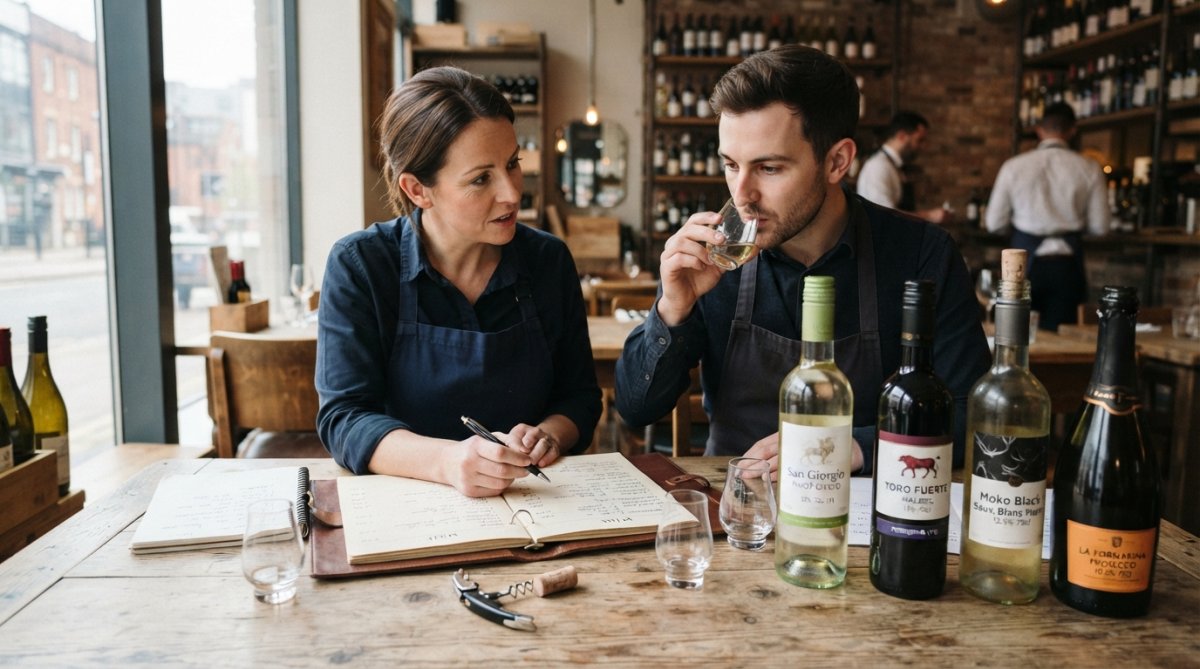
Restaurant wine list curation advice starts with one fundamental principle: your wine selections must reflect who you are as a restaurant. At Swallow Drinks, we've worked with independent venues across the UK for over 40 years, and the most successful wine programmes begin with clarity about the restaurant's concept, cuisine style, and target customer.
Your restaurant concept defines everything that follows. A fine dining establishment in central London operates under completely different constraints than a casual neighbourhood bistro in Manchester. The cuisine you serve shapes which wines will pair naturally with your dishes.
The real tension in wine list curation lies in balancing familiarity with discovery. Most restaurants make one of two mistakes: they stock only recognisable names, or they chase obscurity so aggressively that diners feel intimidated. The sweet spot sits between these extremes.
Approach | Best For | Common Pitfall |
|---|---|---|
Familiar focus (80% known labels) | Casual dining, high turnover venues | Boring list, no upselling opportunity |
Discovery focus (60% unusual selections) | Fine dining, wine-focused establishments | Staff knowledge gaps, intimidated customers |
Balanced curation (50/50 split) | Most independent restaurants | Requires consistent staff training |
Start by defining your customer. Are they wine enthusiasts seeking rare discoveries, or busy professionals wanting a reliable glass with dinner? This single question shapes your entire approach to wine list curation.
The structure of your wine list determines whether customers engage with it or feel overwhelmed. In the UK market, successful restaurant wine lists typically organise selections by colour first (red, white, rosé, sparkling, fortified, dessert wines), then subdivide by region or grape variety.
Most restaurants organise by colour and then region, allowing customers to compare familiar French Burgundies with equivalent expressions from other regions at different price points. Typography and layout matter significantly. A wine list printed in tiny font on dark paper creates friction; customers struggle to read it and make rushed decisions. The best wine lists use clean sans-serif typefaces at 11-12pt minimum, with generous spacing between entries.
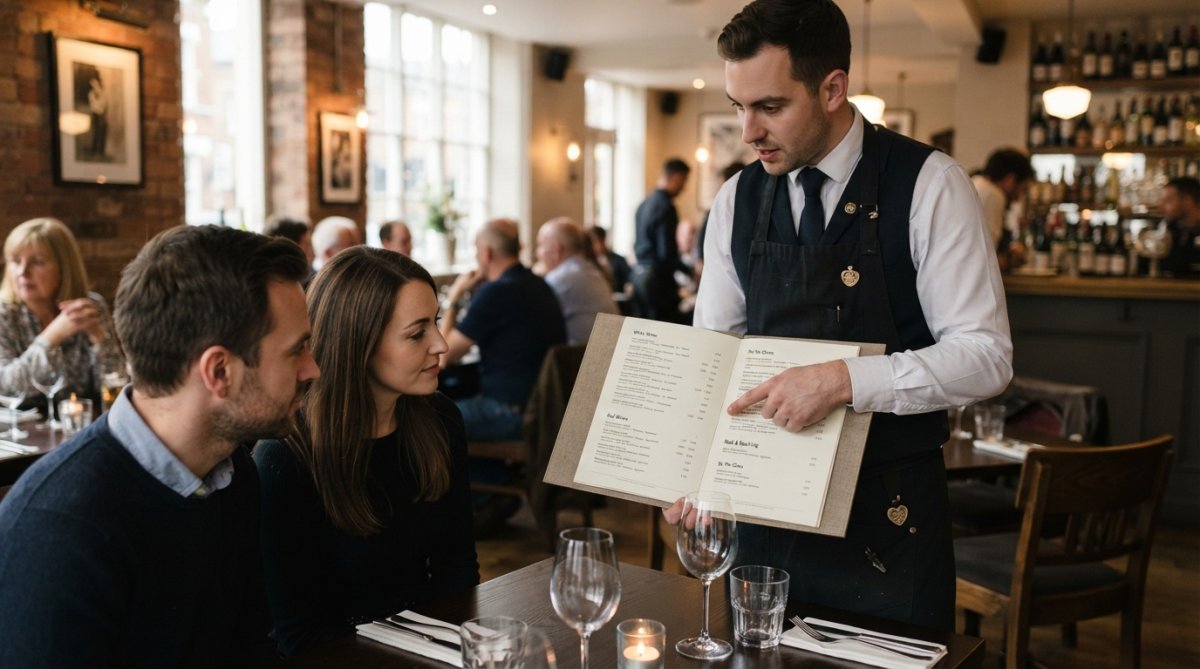
Consider your physical format carefully. Laminated A4 sheets work for casual venues but feel cheap in fine dining. Many independent restaurants now use hybrid approaches: a printed core list of house selections, supplemented by a digital menu accessible via QR code, allowing you to update seasonal selections without reprinting costs.
Within each region, list by price point (lowest to highest) or by style (lighter to fuller-bodied). Consistency matters; if your Burgundy section lists wines by producer name, your Bordeaux section should use the same logic.
Food and wine pairing is based on matching the weight, acidity, and tannin structure of wine to your dishes. A light fish fillet needs a wine with comparable body and higher acidity; a rich beef stew pairs with fuller-bodied wines with more assertive tannins.
Body refers to how "heavy" a wine feels on the palate. Acidity provides freshness and cuts through fatty dishes. Tannins (found primarily in red wines) add structure. Aroma and flavour profile should complement rather than clash with your menu's dominant flavours.
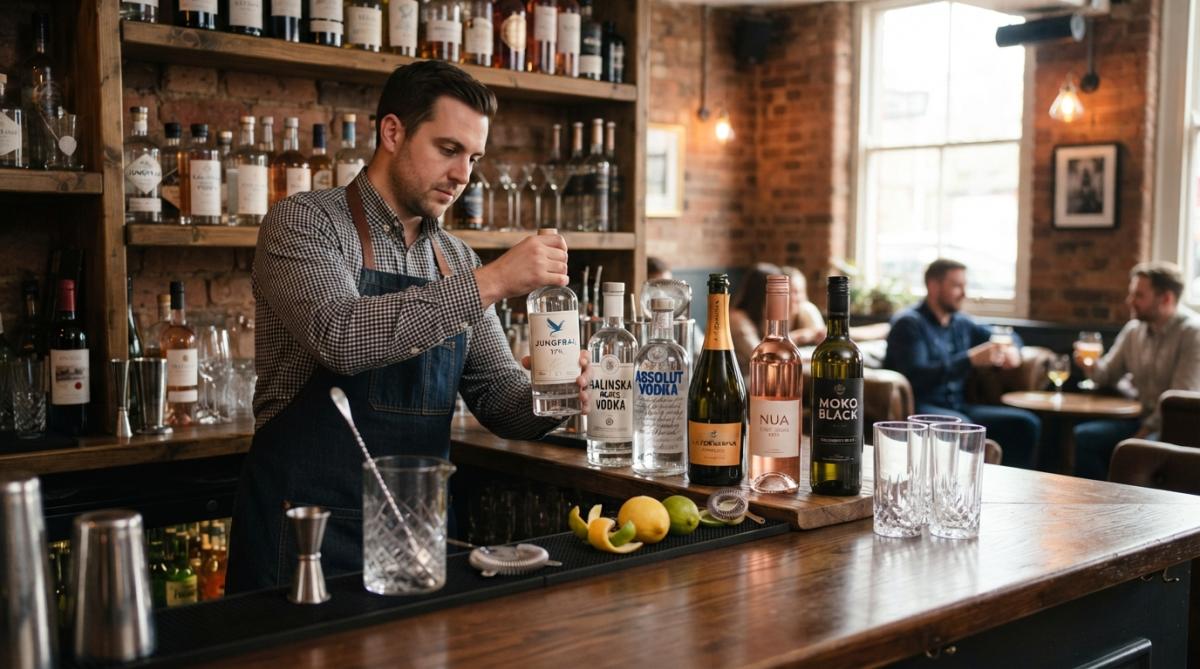
The by-the-glass (BTG) programme deserves special attention. These selections directly influence customer satisfaction and revenue per cover. Choose 6-8 wines that cover the full spectrum: a crisp white like Swallow Drinks' [House Pinot Grigio(/products/wine/still-wine/minini-pinot-grigio-rose-11-75cl) 12% 75cl | swallow.uk.com], a richer white, a light red, a fuller red, a rosé, and a sparkling option like our House Prosecco 11% 75cl. Each BTG selection should pair with multiple dishes on your menu.
When pairing wine to your menu, work backwards from your signature dishes. If your restaurant is known for seafood, your white wine selections should anchor the list. If you specialise in grilled meats, allocate more space to reds with good tannin structure.
Profitability in wine requires understanding cost structure and customer psychology. Most restaurants aim for a 60-70% gross margin on wine, meaning if a bottle costs you £10 wholesale, you'd price it at £25-33 retail. This margin is higher than food because wine carries lower labour costs and waste.
Margins vary by price point. House wines might carry 50-60% margins because volume matters more than per-bottle profit. Premium selections can sustain 70-80% margins because customers ordering £50+ bottles are less price-sensitive. By-the-glass pours generate exceptional margins because you're selling a portion of a bottle at full retail pricing.
Customers expect wine markup; they understand restaurants must profit. What they resist is feeling exploited. Transparency helps; some restaurants make wholesale costs available on request, which builds trust and justifies markup.
Seasonal pricing strategies work well in the UK market. In summer, lighter wines (Sauvignon Blancs, Pinot Grigios, rosés) should dominate your BTG selections. Winter calls for fuller reds and fortified wines. This reflects genuine customer preferences and helps you move stock efficiently.
House wine selection is critical for profitability. Your house red and white should offer genuine value and pair reasonably with most of your menu. They should be reliable, consistent quality from bottle to bottle. Swallow Drinks supplies quality house options like our House Merlot 12% 75cl and House Pinot Grigio 12% 75cl, which provide excellent margin and customer satisfaction at accessible price points.
Review your list quarterly, comparing your prices to competitors and checking whether slower-moving bottles are overpriced or simply misplaced on the list.
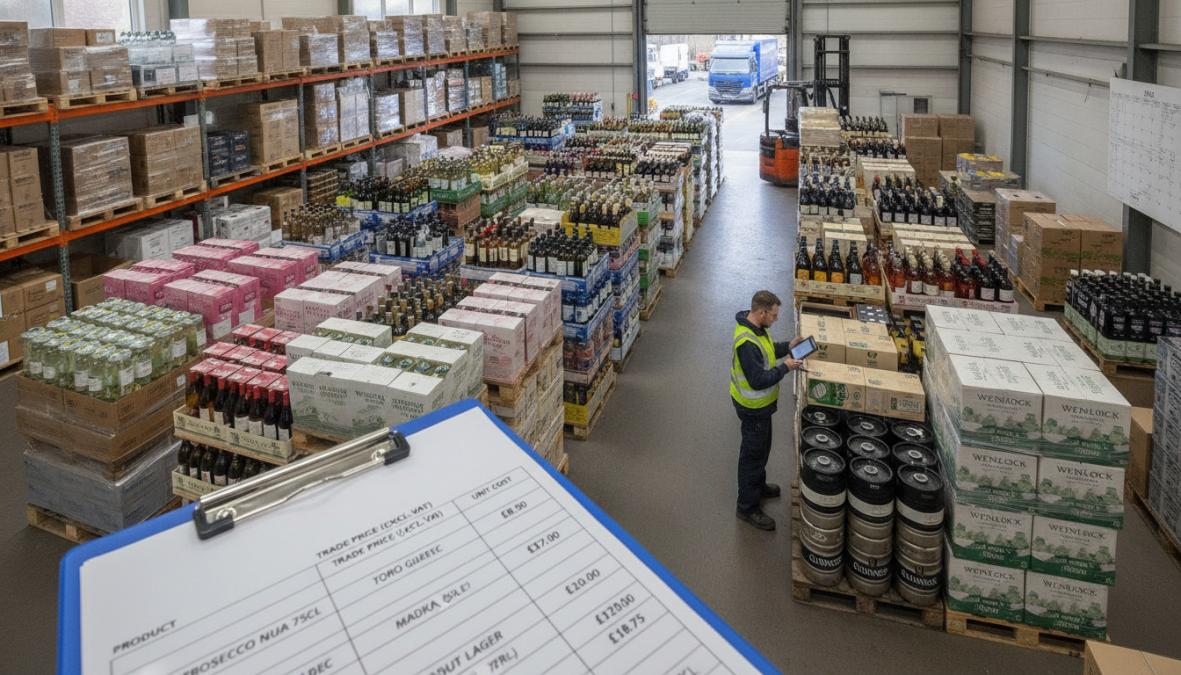
Effective stock management prevents running out of popular selections on busy nights and accumulating slow-moving stock that ties up capital. For restaurants serious about wine list curation advice, stock management is as important as selection curation.
Begin with stock tracking. You need to know at any moment how many bottles of each selection you hold, how quickly you're selling through each wine, and when reorders are necessary. Many restaurants use simple spreadsheets; others employ dedicated drinks management apps. The method matters less than consistency.
Allocated wines require special attention. These are premium selections with limited production that suppliers allocate to restaurants based on past purchasing. Burgundy wines, cult Californian Pinot Noirs, and rare fortified wines often fall into this category. If your supplier offers an allocation, decide immediately whether you want it.
Seasonal planning prevents stock disasters. Plan your wine selections three months ahead. If you know summer will bring increased demand for white wines and rosés, order accordingly. Communicate these plans to your supplier; reliable suppliers like Swallow Drinks can help you source seasonal selections and ensure consistent availability.
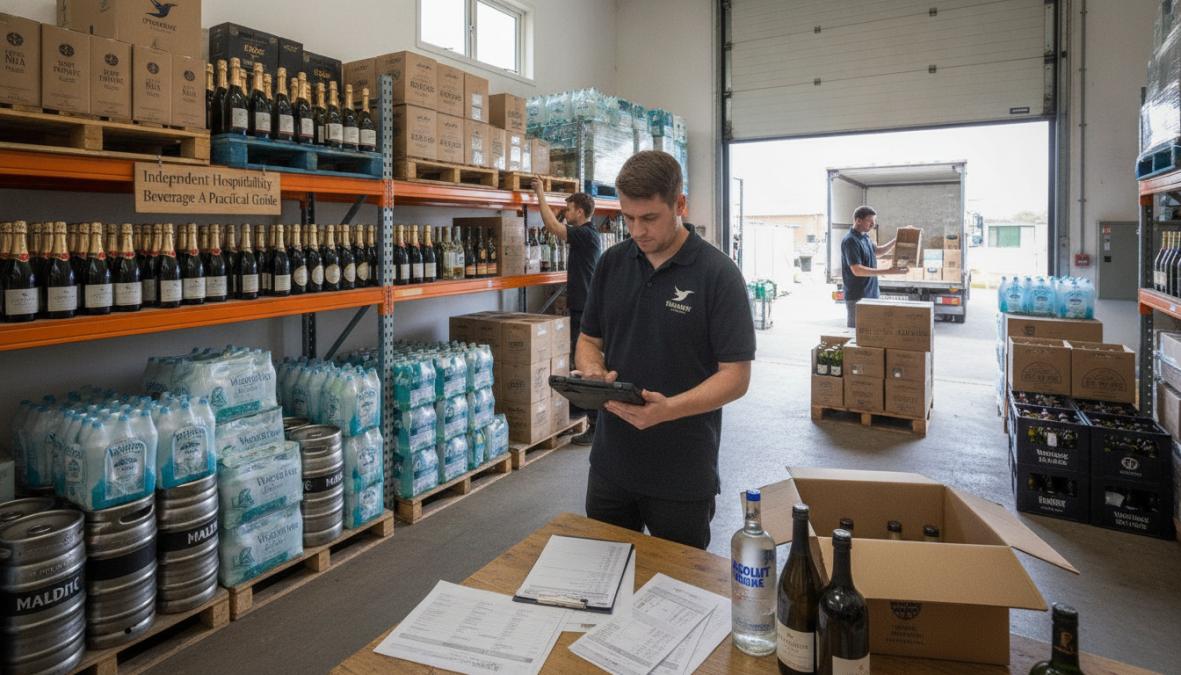
Working with a reliable supplier transforms stock management. Building a strong relationship with one primary supplier simplifies ordering, improves pricing, and ensures better service when you need urgent deliveries. Swallow Drinks serves independent restaurants across the UK, combining a vast portfolio of premium wines with the reliability of a family-run business that's been in the trade for over 40 years.
Stock Challenge | Solution | Benefit |
|---|---|---|
Running out of popular wines | Track sales velocity, reorder before stock hits zero | Consistent availability, customer satisfaction |
Slow-moving stock | Review quarterly, adjust pricing or placement, or discontinue | Capital freed up, shelf space optimised |
Allocated wine decisions | Commit early when offered, build relationships with suppliers | Access to premium selections, competitive advantage |
Seasonal demand spikes | Plan 3 months ahead, communicate with supplier | Adequate stock during peak periods |
Your staff's wine knowledge directly influences customer experience and revenue. A sommelier or wine director, whether a dedicated role or responsibility assigned to a senior team member, elevates your entire wine programme. This person needs deep knowledge of your wine list, ability to match wines to dishes, and skill in reading customer preferences and budgets.
Staff training begins with fundamentals: understanding the wines on your list, knowing basic flavour profiles, recognising common grape varieties and regions. Every server should be able to answer basic questions about your house wines and make simple pairing suggestions.
Beyond basics, train staff on upselling without pushing. A customer ordering a £15 bottle doesn't need a lecture on why a £40 option is superior. Instead: "If you enjoy this style, we also have a lovely [Wine Name] from [Region] that offers more complexity, would you like to try it?"
Wine director responsibilities typically include: selecting wines for the list, training staff, managing stock and reorders, adjusting the list seasonally, and building relationships with suppliers. In smaller restaurants, this might be a 5-hour-per-week responsibility assigned to an experienced server. In larger venues, it could be a full-time role.
Modern diners increasingly care about how their wine is produced. Sustainability in viticulture and ethical practices in production matter to conscious consumers. Incorporating sustainable and ethically sourced wines into your list appeals to this growing segment while supporting producers who share your values.
Sustainable viticulture practices include organic farming (no synthetic pesticides or fertilisers), biodynamic approaches (treating the vineyard as a holistic ecosystem), and conventional farming with reduced chemical inputs. Many UK restaurants now feature a dedicated "sustainable" section on their wine list, signalling commitment to responsible sourcing.
Ethical sourcing extends beyond environmental practices to fair labour conditions, community investment, and transparency. When selecting wines for your list, ask your supplier about producer practices. Swallow Drinks, as a family-run independent wholesaler, works with producers who share values around quality and responsibility. Building this conversation into your selection process ensures your wine list reflects your restaurant's values.
The premium for sustainable wines has narrowed significantly. Today, the gap between sustainable and conventional counterparts is typically 5-10%, making sustainability an increasingly accessible choice for restaurants of all price points.
Operating a wine programme in the UK requires compliance with specific regulations. Understanding these requirements protects your business and ensures responsible service.
The Licensing Act 2003 governs alcohol sales in England, Wales, and Scotland. If you serve alcohol, you must hold a premises licence and designate a Designated Premises Supervisor (DPS), typically the owner or a senior manager. Your licence specifies permitted hours for alcohol service and conditions you must follow.
Age verification is non-negotiable. You must not serve alcohol to anyone under 18. Staff should ask for ID if they have any doubt about age. The "Challenge 25" approach, asking for ID from anyone who appears under 25, provides a safety margin and is industry best practice.
Responsible service training is essential. Staff should understand drink-driving laws, recognise signs of intoxication, and know when to refuse service. Many local authorities offer free or subsidised responsible alcohol service training.
Allergen information must be available. Wine contains various allergens (sulphites, tree nuts, fish-derived fining agents). You must be able to provide accurate allergen information on request. Maintain documentation from your suppliers about allergen content.
Curating an effective wine list requires balancing multiple considerations: your restaurant's concept and cuisine, customer preferences and budgets, staff knowledge and service standards, stock management discipline, and regulatory compliance. It's complex work, but the reward is a wine programme that enhances customer experience, differentiates your restaurant, and drives profitable growth.
If you're serious about building a wine programme that works, partnering with a knowledgeable supplier makes all the difference. Swallow Drinks has spent over 40 years building relationships with independent restaurants across the UK, understanding their unique challenges, and providing genuine partnership. Our vast portfolio of premium wines, combined with reliable service and genuine expertise, means you can focus on running your restaurant while we ensure your wine stock is always right. Register on the Swallow Drinks trade ordering platform to explore our full selection and start building your ideal wine list today.
A strong wine list balances accessibility with discovery. Include reliable house wines (such as Swallow Drinks' House Pinot Grigio at £6.99 or House Merlot at £6.99 per bottle) alongside premium selections that reflect your restaurant's concept. Organise by region, grape variety, or style for easy navigation. Ensure food and wine pairings complement your menu, and train staff to guide customers confidently through selections. Regularly update offerings based on seasonality and customer preferences.
Structure your list with clear sections: by-the-glass options, house wines, Old World selections, New World wines, sparkling, rosé, and dessert wines. Price strategically—typically mark-up house wines by 3-4x cost and premium selections by 2.5-3x to maintain margins whilst remaining competitive. Include tasting notes describing aroma, flavour profile, body, acidity, and food pairing suggestions. This approach encourages upselling whilst building customer confidence in their selections.
Review your wine list quarterly to reflect seasonality and customer preferences. Seasonal adjustments—lighter whites and rosés in summer, fuller reds in winter—keep selections relevant. However, maintain core house wines year-round for consistency. Monitor which wines sell and which sit in stock; replace underperformers with new discoveries. Working with an experienced supplier like Swallow Drinks, with 40 years in the industry, ensures you can source fresh selections and manage stock efficiently through their trade ordering platform at webtrade.swallow.uk.com/.
Include producer name, region or appellation, vintage, alcohol content (ABV), and a brief tasting note covering aroma, flavour profile, and body. Clearly mark by-the-glass prices and bottle prices. For restaurants with a sommelier or wine director, add food pairing recommendations and serving suggestions. Use consistent formatting and readable typography. This transparency helps customers make informed choices and reduces hesitation when ordering, ultimately improving your customer experience and profitability.
Members of:


AWRS Registration Number: XJAW00000100730