Oct 05, 2026
Last Updated: October 4, 2026
A premium wine supplier for restaurants operates on trade terms, not retail shelf prices. That distinction decides your margin before a single bottle is poured. At Swallow Drinks, we have supplied the on-trade for over 40 years, and the venues that struggle are almost always the ones buying on retail logic. They chase a headline price per bottle and miss the case rate, the delivery rhythm and the support that keeps a wine list profitable.
A trade account is a commercial supply relationship built on case pricing, agreed delivery and account support. A retail purchase is a one-off transaction at shelf price. The difference shows up in three places: the rate you pay per case, the reliability of delivery, and whether anyone helps you build the list. Trade buyers also get guidance on stock, par levels and menu fit. Retail buyers get a receipt. If a supplier only ever quotes you a bottle price, you are not on trade terms yet.
Compare premium wine suppliers on trade terms, not just price. The criteria below matter more than any single bottle rate, because they determine whether your list stays stocked and profitable week after week. Most directories list suppliers by region or wine style; a restaurant buyer needs a different scorecard.
| What to compare | Why it matters | What good looks like |
|---|---|---|
| Case pricing | Sets your base margin | Clear trade rate per case, quoted in GB pounds |
| Minimum order | Affects cash flow and storage | No minimum, or a low minimum you can meet weekly |
| Delivery frequency | Prevents weekend gaps | Fixed schedule, ideally six days a week |
| Geographic coverage | Determines whether you can actually be supplied | Confirmed coverage of your postcode area |
| Payment terms | Protects your cash | Trade credit or clear payment window |
| Returns and breakages | Protects your margin | Agreed policy for faulty or damaged stock |
| Account support | Helps you build the list | A named contact who knows your menu |
| Contract terms | Protects your cash | No lock-in that traps you |
The trade area at Swallow Drinks trade registration lets you set up an account and see trade pricing directly, so you can compare like for like rather than working from retail shelf prices.
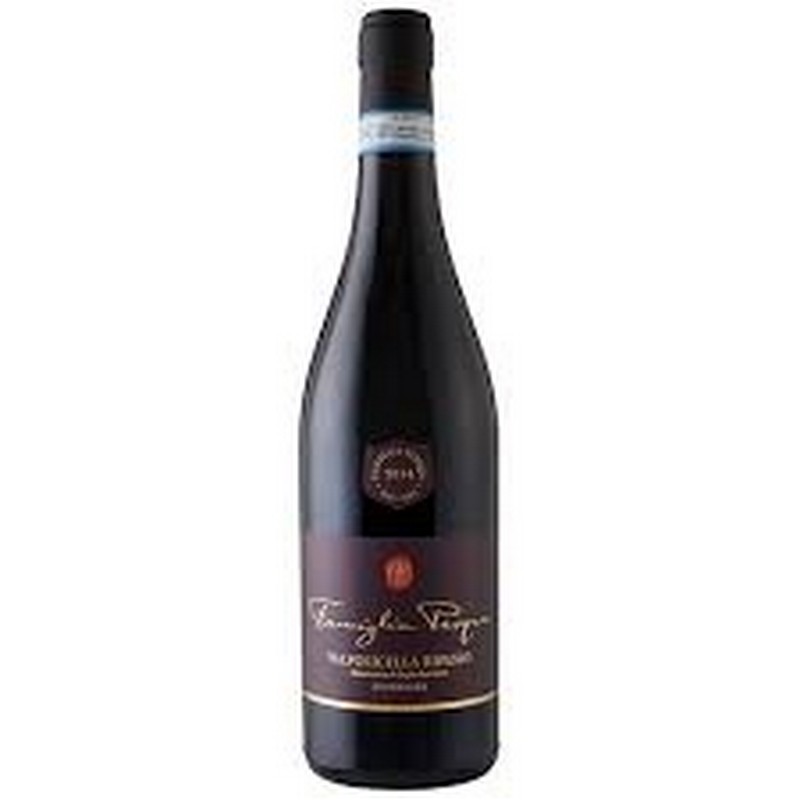
Match wine to your cooking style first, then to price. A Corvina-led red such as FAMIGLIA PASQUA VALPOLICELLA RIPASSO 13.5% 75CL at £12.00 suits roasted and braised plates. For lighter dishes, a crisp white such as PICPOUL DE PINET FONCASTEL 13% 75CL at £7.25 covers seafood and salads without straining the list.
A strong wine selection balances four things: a house pour, a mid-tier workhorse, a premium showpiece and a low-alcohol option. Get those four right and most guests find something they want.
A wine list sells when it is easy to read and easy to trust. Group by style, not by country, so guests choose by what they feel like drinking. Put your best-margin bottle in the second-cheapest position; guests rarely pick the cheapest, and rarely the most expensive. Describe each wine in one plain line. "Crisp, dry, good with fish" outsells three lines of tasting notes every time. Train staff to recommend one bottle per course. A confident recommendation moves more stock than any discount.
Ask about delivery, pricing transparency, sourcing speed and exit terms before you commit. These four areas cause most of the friction between venues and suppliers. A supplier who answers them clearly is worth a trial. One who dodges them is not.
A premium wine supplier should answer all five without hesitation. Anything vague on fees or exit terms is a warning sign.
Protect house wine margin through pour control, not by dropping quality. The house pour is where most venues lose money quietly. Over-pouring, spillage and untracked glasses add up faster than any bottle price difference. Train staff on a measured pour, weigh your sparkling and check your till against stock weekly. Keep the house wine good enough that guests order a second glass. A cheap house wine that guests avoid costs you more than a slightly better one they reorder.
Margin behaves differently at each level. By the glass, you control the pour and the price, so this is your highest-margin route. By the bottle, margin is thinner but volume is higher and service is simpler. By the case, you buy at trade rate and the saving shows up across the whole list. The mistake is treating all three the same. Price each separately, review the glass pour monthly, and let the case rate fund the quality of the house pour.
Wine stock management for restaurants depends on a fixed delivery rhythm and clear par levels. Set a par level for every line: the minimum you hold before reordering. Match it to your delivery schedule so a Saturday never catches you short.
WHISPERING ANGEL PROVENCE ROSE 12% 75CL →
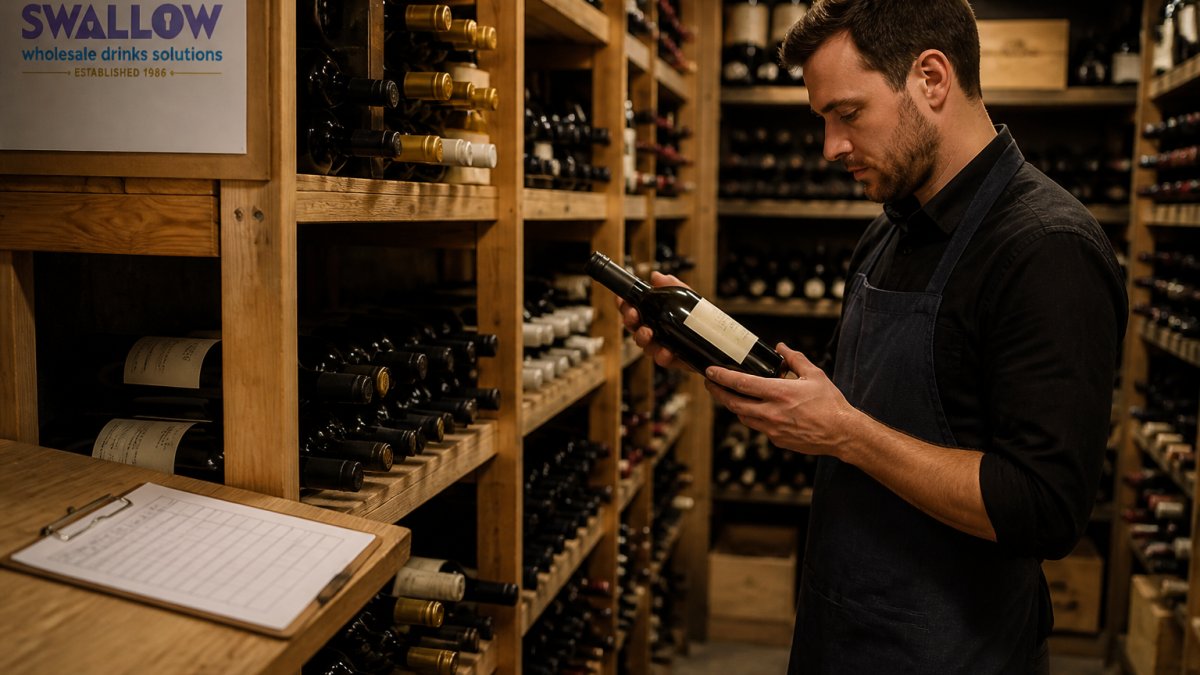
Most supplier comparisons stop at wine quality and price. The operational detail is what keeps a list running. Before you open a trade account, confirm the following with each supplier:
Set a par level for every line based on how fast it moves and how often you can be resupplied.
Swallow Drinks has supplied the on-trade for over 40 years, with six-day-a-week delivery you can plan around and a trade portal that shows live stock and pricing. Register at Swallow Drinks trade portal to set up an account and see how the delivery rhythm fits your kitchen.
Portfolio fit depends on who is drinking and when. A gastropub needs strong reds and easy whites that pair with hearty food. A neighbourhood restaurant needs a tight list with a strong house pour and a few premium bottles for celebrations.
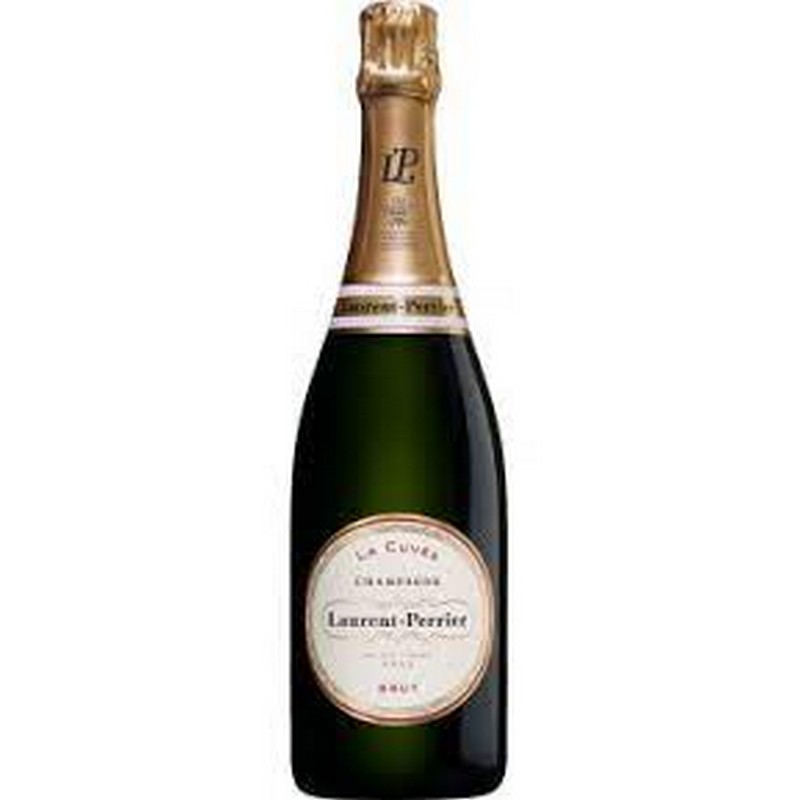
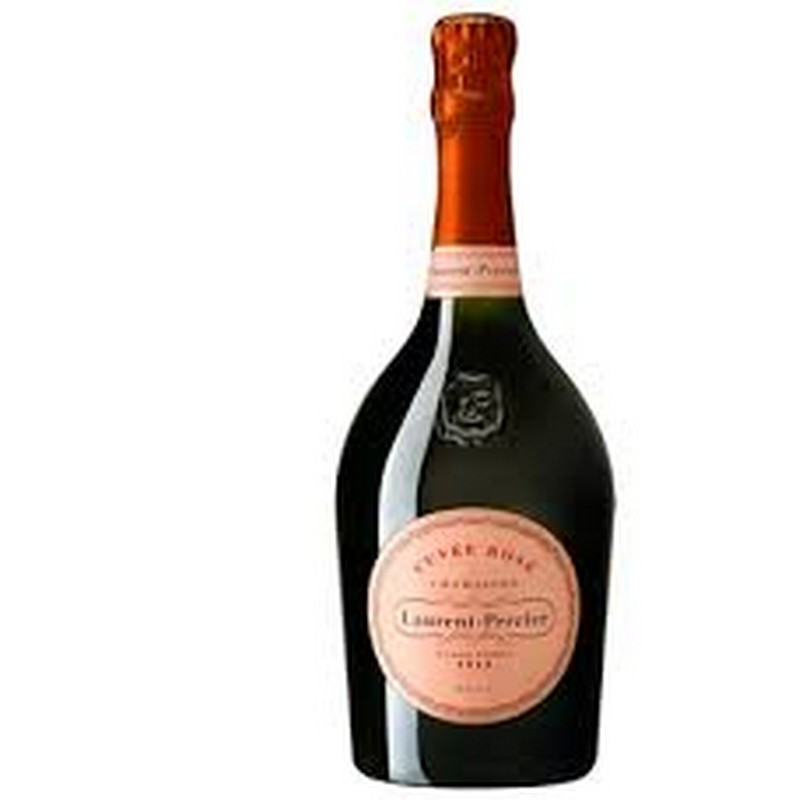
For sparkling, a house Champagne such as TELMONT RESERVE BRUT 75CL at £33.93 covers celebrations, while LAURENT PERRIER LA CUVEE BRUT 75CL at £34.02 and LAURENT PERRIER ROSE 75CL at £42.18 give you premium options. For a guest who wants no alcohol, our low and non-alcoholic range keeps the table covered.
The real test of a premium wine supplier is not the first order; it is the Saturday night when you are two bottles short and the kitchen is at full tilt. A supplier with trade credentials, a fixed delivery rhythm and a named contact passes that test. Swallow Drinks has supplied the on-trade across Birmingham and the surrounding areas for over 40 years, with a portfolio spanning premium wine, beer, spirits and soft drinks, and six-day-a-week delivery you can plan around.
Start with delivery reliability and trade terms, not the longest list. Check how many days a week they deliver, what happens if an order arrives short, and whether there is a minimum order that ties up cash. Then look at portfolio fit: does the range cover your by-the-glass pours, your house wine and a few bottles worth listing by name? Ask for a trial order before committing. A supplier who can get a replacement to you on a Friday evening is worth more than one with a marginally lower case price.
Ask about delivery days and cut-off times, minimum order values, whether prices include duty and delivery, and how quickly they can source a label that is not in stock. Ask who your account contact is and whether they can advise on the list rather than just take orders. Finally, ask what happens if you want to leave: a supplier confident in its service will not need to lock you into a long contract. Get the answers in writing so there are no surprises.
House wine margin comes from sensible buying, not from choosing the cheapest bottle on the market. A wine at £7.25 a bottle that drinks well by the glass will outsell a cheaper one customers leave half-finished. Keep two or three house options rather than a long list, price by the glass to cover a full bottle across roughly four to five pours, and review the pour size so staff are not over-pouring. Regular stock checks catch the slow sellers before they sit unsold.
Review the full list twice a year, with a lighter check each quarter. Seasonal changes matter more than calendar dates: a Provençal rosé at £24.99 earns its place in summer, while a Valpolicella Ripasso at £12.00 does the work in autumn and winter. Between reviews, watch what stops selling. If a bottle has not moved in six weeks, either reposition it on the list, put it on a by-the-glass board, or replace it. A list that never changes stops selling.
Set a par level for every line and let the delivery schedule top it up rather than ordering reactively. Keep opened bottles dated and use a by-the-glass board to move wine that is close to turning. Train staff on pour measures, because over-pouring is the quietest form of waste in any venue. For slower lines, order smaller quantities more often rather than chasing a bulk discount, and check your stock sheet against the till weekly so discrepancies show up early.
Members of:


AWRS Registration Number: XJAW00000100730