Sep 30, 2026
Last Updated: September 29, 2026
Independent venues are under real pressure to cut waste without cutting margin, and eco-friendly soft drinks sit right at the centre of that squeeze. At Swallow Drinks, we have supplied the on-trade for over 40 years, and the shift we see now is different from previous green waves: customers ask what the can is made of, not just what is inside it.
| Option | Packaging | Best For | Trade Price |
|---|---|---|---|
| Doppio Passo Organic | Glass bottle | Organic wine lists | £7.44 |
| Coteaux d'Aix-en-Provence Rosé | Glass bottle | Premium rosé service | £19.89 |
| Da Vero Cataratto Organic | Glass bottle | House white by the glass | £9.71 |
| Guinness 0% Cans (440ml) | Recyclable can | Draught-free stout option | £29.79 (24) |
| Guinness 0% Cans (538ml) | Recyclable can | Larger pours | £39.15 (24) |
| Heineken 0% | Glass bottle | Mainstream alcohol-free | £21.89 |
| Corona Cero 0% | Glass bottle | Summer listings | £25.90 (24) |
| Lucky Saint 0.5% | Glass bottle | Craft-led listings | £26.42 (20) |
| Asahi Zero | Glass bottle | Premium lager alternative | £43.49 (24) |
| San Miguel Alcohol Free | Glass bottle | Value alcohol-free | £28.66 (24) |
We judged each option on recyclability, sourcing transparency, consistency of supply and how well it works behind a busy bar. Packaging came first: glass and aluminium both recycle well in the UK, while mixed-material cartons are harder for venues to manage.
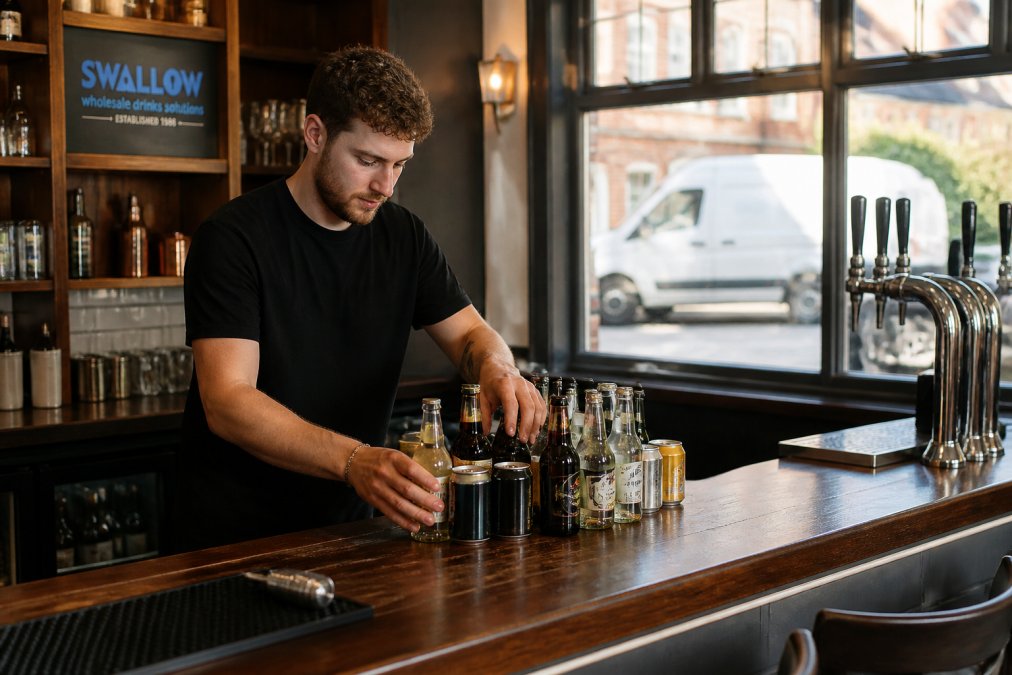
For most independent venues, the smartest move is not picking one brand but choosing the right supplier. Swallow Drinks is a family-run independent wholesaler with over 40 years in the trade, and we carry a full range of low and non-alcoholic drinks alongside wine, beer and spirits.
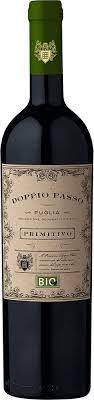
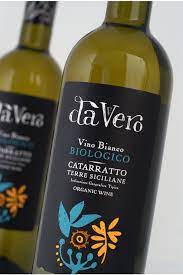
Organic still wine gives venues a credible eco story without changing how the bar operates. The Doppio Passo Organic at £7.44 is a strong house pour, while Da Vero Cataratto Organic at £9.71 suits venues pushing a lighter white.
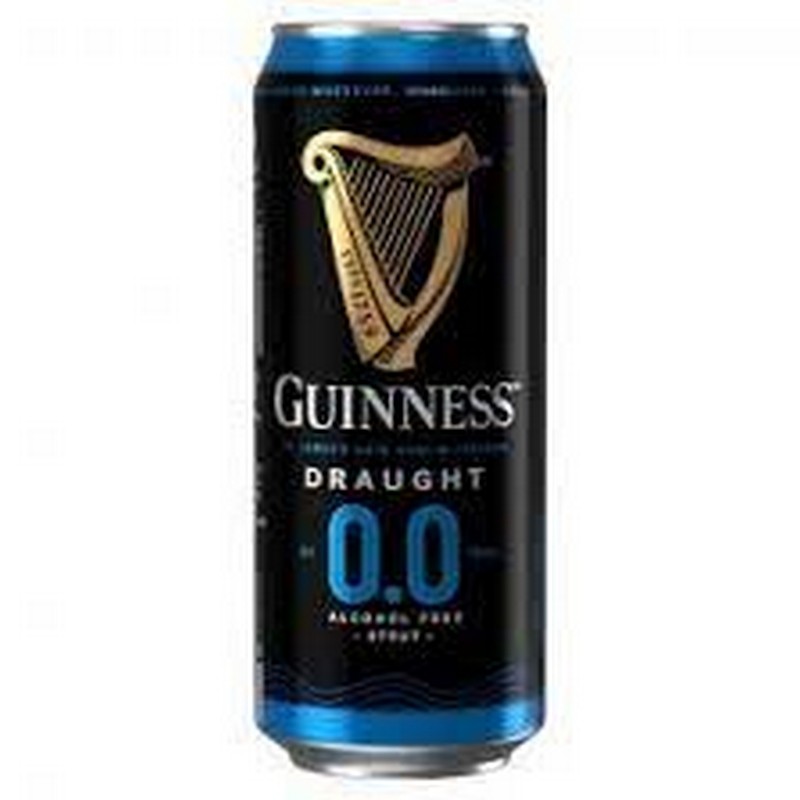
Cans are the easiest packaging for venues to manage, and aluminium recycling rates in the UK are high. Guinness 0% in 440ml cans at £29.79 for 24 works as a draught-free stout option, with a 538ml format at £39.15 for larger pours.
Bottled alcohol-free beer still reads as premium to many customers. Heineken 0% at £21.89 is the safe mainstream listing, while Corona Cero at £25.90 and Lucky Saint 0.5% at £26.42 cover the craft-led end.
Optimising profit margins on non-alcoholic drinks starts with treating them as a proper category, not an afterthought. Most content aimed at venues stops at "price them sensibly". The gap none of the ranking articles fill is the venue-specific business case: what a well-run alcohol-free and soft drinks range actually returns, and how to measure it.
The arithmetic is straightforward, and you can run it on your own numbers in a few minutes:
The second half of the ROI story is customer retention. A group where one person drinks alcohol and another does not will choose the venue that treats the non-drinker as a proper customer rather than an afterthought. A considered alcohol-free list, a house option, a premium option and a seasonal special, gives that group a reason to come back.
Margin and sustainability are not in conflict if you manage packaging properly. A few practical steps:
Price alcohol-free and soft drinks as a proper category, measure the margin annually, and treat packaging as part of the operation rather than an afterthought. Swallow Drinks has spent 40 years helping venues get that balance right, with transparent trade pricing and dependable local delivery. You can register for a trade account to browse the range and build a menu that works for your bar.
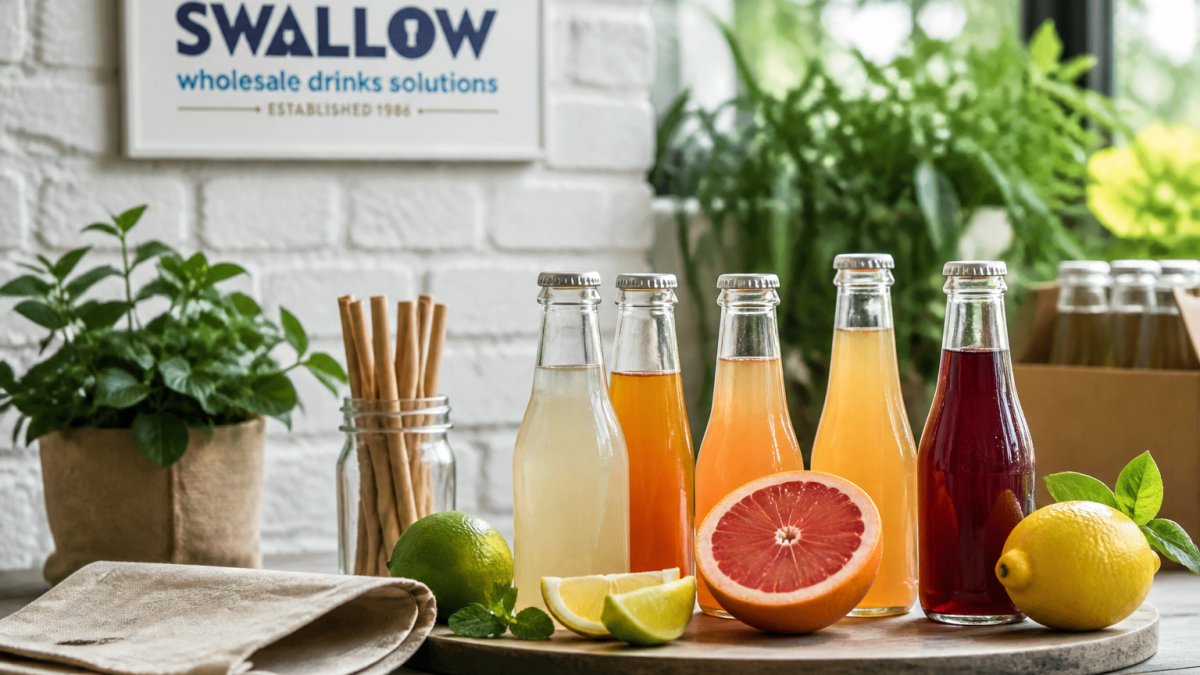
Premium non-alcoholic menu ideas work best when they mirror your alcoholic list in structure. Give customers a house option, a premium option and a seasonal special, exactly as you would with wine.
DOPPIO PASSO ORGANIC 13% 75CL →
Try these pairings:
Sourcing eco-friendly soft drinks comes down to packaging, provenance, certification and reliability, in that order. Most competitors stop at "look for recyclable packaging". That is not enough to make a buying decision, so here is the framework we use when curating the Swallow Drinks range for independent venues.
A material is only recyclable if your local authority actually collects it. In practice:
Ask where the product is made and how far it has travelled. A drink shipped across the world in heavy glass carries a very different footprint from one produced closer to home. Look at whether the recipe is palm oil-free, whether the fruit or botanicals are sustainably grown, and whether the producer publishes anything about its supply chain.
Certifications are useful shorthand, but they are not all equal:
UK guidance on environmental claims is clear that vague or unqualified green wording can breach consumer protection rules. Terms like "eco-friendly", "natural" and "sustainable" mean very little on their own. When you are choosing stock, ask suppliers for the specific mechanism behind the claim, what the packaging is made of, where the ingredients come from, what certification applies.
Consistency matters most. A supplier who delivers six days a week, understands your menu and answers the phone on a Friday night is worth more than a marginally cheaper listing that disappears for three weeks. Split deliveries, out-of-stocks and short-dated packs all cost an independent venue more than a slightly higher unit price.
Stocking eco-friendly soft drinks helps independent venues meet growing consumer demand for sustainable options, reduce waste disposal costs through recyclable packaging, and differentiate from competitors. Many customers actively seek venues with strong environmental credentials, which can improve brand loyalty. Eco-friendly soft drinks also align with corporate social responsibility goals and can command slightly higher menu prices when positioned as premium options.
Sustainable sourcing can improve profit margins on non-alcoholic drinks by reducing packaging waste costs, minimising spoilage through better shelf-life stability, and attracting customers willing to pay more for ethical products. Working with a reliable wholesaler like Swallow Drinks ensures consistent trade pricing without hidden fees, helping venues forecast costs accurately and maintain healthy margins across their soft drink range.
Yes, several UK-based sustainable soft drink suppliers serve independent bars, offering plastic-free packaging, organic ingredients and fair trade certifications. Swallow Drinks, a family-run wholesaler with over 40 years of experience, supplies eco-friendly soft drinks and alcohol-free options across the West Midlands. Venues can register for trade ordering at webtrade.swallow.uk.com to access competitive pricing and reliable six-day-a-week delivery.
Look for Organic certification, Fairtrade marks, and B-Corp status when selecting eco-friendly soft drink brands. These certifications verify ethical sourcing, environmental responsibility and supply chain transparency. Organic certification ensures ingredients are grown without harmful pesticides, while Fairtrade guarantees fair wages for producers. B-Corp status confirms a company meets high standards of social and environmental performance, accountability and transparency.
Independent venues can improve sustainability credentials by stocking drinks with recyclable or plastic-free packaging, partnering with wholesalers committed to green logistics, and integrating waste management systems that separate recyclables. Offering premium non-alcoholic menu ideas with eco-friendly soft drinks also appeals to eco-conscious customers. Registering with a local trade supplier like Swallow Drinks ensures access to a diverse portfolio of sustainable options with reliable delivery.
Members of:


AWRS Registration Number: XJAW00000100730