Sep 04, 2026
Last Updated: September 4, 2026
Sourcing niche craft beers is the process of identifying, securing, and building a supply chain for small-batch, independent, and limited-edition brews that larger distributors often overlook. For independent pubs and bars, this means moving beyond the standard national keg lists and building relationships with brewers and wholesalers who can deliver something your competitors cannot pour. This guide from Swallow Drinks, a family-run independent wholesaler with over 40 years of industry experience, breaks down exactly how to source niche craft beers for your venue, from defining your range to managing your supply chain effectively.
The gap in the market is real. While many venues talk about supporting craft brewing, few have a practical strategy for getting those beers to the bar. Most guides focus on the romance of the taproom or the theory of beer styles, but stop short of the actual logistics. Below, we will show you the step-by-step process we use with hospitality clients across Birmingham and the West Midlands, covering wholesale suppliers, direct relationships, and the menu strategy that turns a rare keg into repeat trade.
A niche craft beer strategy is no longer a nice-to-have for an independent venue. It is a direct response to consumer trends that show drinkers actively seeking out independent brewers, seasonal releases, and styles with a distinct story. A standard line-up of mainstream lager and keg bitter no longer differentiates you from the pub down the road (statista.com). A rotating list featuring a local IPA or a limited-edition stout gives drinkers a reason to choose your bar specifically.
The commercial logic is straightforward. Niche beers often carry a higher perceived value, which supports a premium price point per pint. They also create a sense of occasion. When a beer is small-batch or a limited edition, it generates urgency and conversation, encouraging customers to visit more frequently to see what is new on the taps. This approach helps build a reputation as a destination venue rather than just a local convenience.
Before you contact any supplier, you need a clear picture of what you are trying to achieve. Sourcing niche craft beers without a defined brief is a recipe for a disjointed range that fails to move. Start by defining the beer styles that fit your food menu and your venue's atmosphere. A gastropub pairing cask ale with hearty dishes needs a different list than a city-centre bar focused on hop-forward American IPAs.
Next, build a profile of your regular customer. Consider the ABV ranges that sell well in your area, the flavour profiles your team can talk about confidently, and the price point your drinkers accept for a premium pour. A useful starting point is to categorise your target range into three buckets: an approachable lager or pale ale for the broad market, a mid-strength hop-forward option, and a rotating wildcard style such as a sour beer or a pastry stout (cask-marque.co.uk). This structure ensures you have something for the curious newcomer and the seasoned enthusiast without overloading your cellar with slow-moving stock.
Finding reliable craft beer wholesale suppliers is the foundation of a consistent range. A wholesaler consolidates the logistics, warehousing, and delivery, meaning you can order from multiple breweries in a single transaction rather than managing several individual accounts. This is critical for stock management, as it reduces the administrative burden and simplifies your stock control.
The right wholesale partner should offer more than just a price list. Look for a supplier who understands the on-trade sector and can advise on seasonal releases, keg condition, and shelf life. Speed of delivery is another non-negotiable factor. A supplier that cannot maintain a consistent schedule will leave you running dry on a Friday night, which is the worst time to discover your keg line is empty. For venues in the West Midlands, a local wholesaler with a dedicated fleet offers a distinct advantage over national operations that may struggle with the final leg of the supply chain.
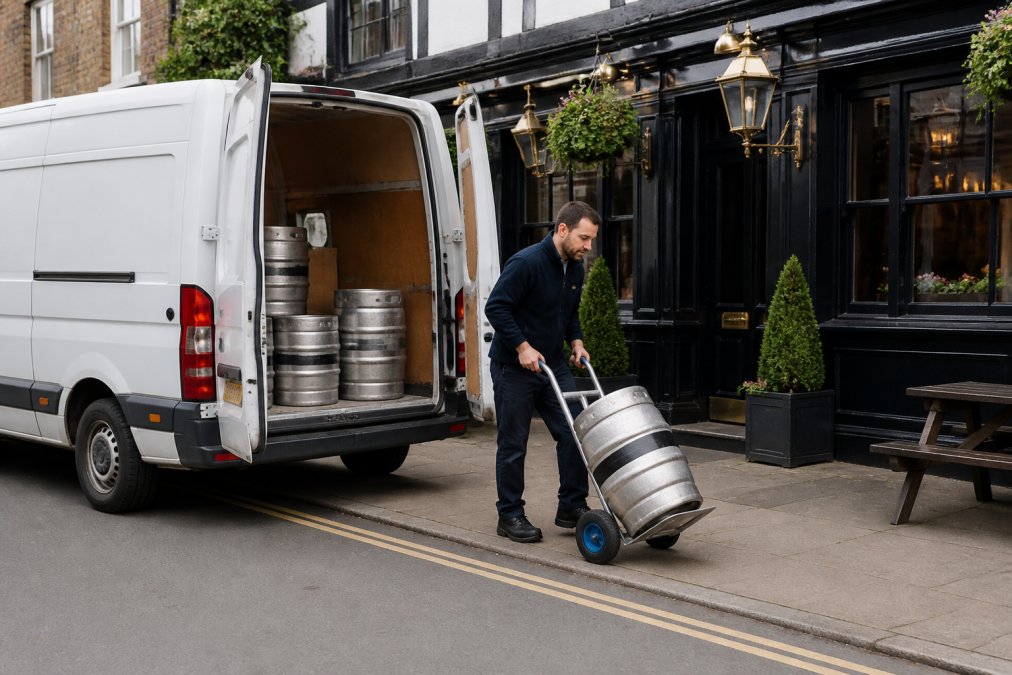
Sourcing directly from breweries is the next step for venues that want exclusive access to limited editions and hyper-local labels. The benefit of going direct is the relationship. You build a rapport with the brewer, which can lead to early access to seasonal releases, brewery-only kegs, and even a custom brew tailored to your pub. Many independent brewers welcome this collaboration as it provides them with a guaranteed outlet for their small-batch work.
However, direct sourcing has significant logistical hurdles. You must manage individual accounts, meet minimum order quantities, and arrange your own transport or pay for delivery. The legal and shipping constraints around alcohol distribution mean you must also ensure the brewery holds the correct licenses to supply you (gov.uk). For most venues, a hybrid model works best. Use your wholesale partner for the core, reliable range, and reserve direct relationships for special events, beer festivals, or exclusive one-off kegs. This keeps your cellar manageable while still offering the novelty that drives interest.
Building a craft beer menu that sells is about curation, not just listing everything you have in stock. A successful menu guides the customer through their options with clear tasting notes, ABV percentages, and serving suggestions. Avoid overwhelming the drinker with a wall of unfamiliar names; instead, group beers by style or flavour profile and provide a line of guidance for each. Highlight the hop profile, malt character, and what food it pairs with.
Stock rotation is the key to keeping a craft beer menu fresh. A menu that never changes tells regulars they have no reason to return. Aim to rotate your guest beers regularly, promoting the new arrivals on social media and with chalkboards behind the bar. The table below outlines a simple rotation strategy to keep your range dynamic without wasting stock.
| Range Position | Style Focus | Rotation Frequency | Purpose |
|---|---|---|---|
| Core Range | Lager & Pale Ale | Static (quarterly) | Consistent quality and volume |
| Secondary Range | IPA & Stout | Monthly | Drives repeat visits and interest |
| Guest/Taproom Slot | Sour, Seasonal, Limited Edition | Weekly | Creates urgency and social media buzz |
For many publicans, the ability to source niche craft beers is directly linked to the terms of their lease. The benefits of switching to free of tie pub agreements are substantial when it comes to range development. Under a tied agreement, you are often restricted to purchasing drinks from a specific landlord or pub company, which limits your access to independent brewers and forces you to pay inflated prices for standard products.
A free of tie agreement grants you the freedom to purchase your drinks from any licensed supplier you choose. This is the single most effective way to unlock a truly niche range, as it allows you to negotiate directly with craft beer wholesale suppliers and local breweries. It enables you to shop around for the best prices, improving your gross margin on every pint sold. For an independent operator, this commercial flexibility is essential for competing against national chains that benefit from economies of scale.
The most common mistake venues make when sourcing niche craft beers is chasing trends without considering their customer base. Buying a sour beer because it is popular in London does not guarantee it will sell in a traditional West Midlands boozer. Always align your purchasing with your customer profile and your team's ability to sell the product. A keg that sits in your cellar is dead money.
Another frequent error is poor stock management. Niche beers often come with a shorter shelf life than mass-produced lagers. Failing to rotate your stock or track expiry dates leads to pouring money down the drain. Finally, do not underestimate the importance of staff training. A craft beer menu will only sell if your team understands the product. Invest time in tasting sessions so your staff can speak confidently about the hop profile and tasting notes of every beer you pour.
Building a niche craft beer range requires patience, planning, and the right supply chain. You need a partner who understands the balance between commercial reliability and the desire for something different. This is where an independent wholesaler earns its keep, offering the consistency of a six-day delivery schedule alongside access to a portfolio that includes sought-after labels.
At Swallow Drinks, we combine over 40 years of experience with a genuine passion for the drinks trade. We help venues across Birmingham and the West Midlands navigate the craft beer market, offering guidance on menu development and providing reliable access to a range of premium kegs, from Camden Pale Ale to Salt's Alpacalypse IPA. Register for our trade ordering portal to browse our full beer and lager range, and start building a craft beer menu that sets your pub apart. Get started with Swallow Drinks and give your customers a reason to stay.
Independent wholesalers offer a curated selection and flexibility that larger national distributors often cannot match. They have direct relationships with smaller breweries, so they can source limited releases and one-off casks. They also provide a more personal service, helping you select beers that fit your pub's character and your customers' tastes, rather than offering a generic national portfolio.
Look for breweries that are transparent about their ingredients and brewing process. Check if they are accredited by bodies like SIBA (Society of Independent Brewers) and ask about their production volumes to ensure they can supply you consistently. Tasting the beer yourself is non-negotiable. A good wholesaler will arrange samples so you can assess the flavour, aroma, and condition before committing to a keg.
Your premises licence must authorise the sale of alcohol for consumption on the premises. You must also comply with the Licensing Act 2003, which includes ensuring you do not sell to underage or intoxicated persons. When sourcing beer, you should verify the supplier holds the necessary approvals and that the product packaging meets UK labelling regulations, including ABV declaration and allergy information.
This depends on the wholesaler's network and stock levels. A local independent wholesaler with strong brewery relationships can often add a new line within a few days if the beer is in stock. For special or limited releases, it may take a few weeks, especially if it is a one-off brew. Ask your account manager about lead times to plan seasonal menu changes effectively.
Members of:


AWRS Registration Number: XJAW00000100730