Sep 03, 2026
Last Updated: September 3, 2026
The hospitality sector is shifting. What was once a niche market has become a serious revenue opportunity. Venues ignoring this trend are leaving money on the table.
A profitable no and low alcohol menu is a commercial decision. These drinks command higher margins than traditional soft drinks and appeal to a broader audience than expected. Designated drivers, pregnant customers, people managing their health, and those choosing to drink less now represent a substantial portion of your customer base (ons.gov.uk).
The real advantage is margin. A premium mocktail or alcohol-free spirit drink can be priced at near-parity with standard cocktails, but your cost base is significantly lower (bii.org). You're not paying for alcohol tax, you're using less premium ingredients per serve, and you're reducing waste from short shelf-life components.
At Swallow Drinks, we've worked with venues across the region for over 40 years, and we've watched this shift accelerate.
The challenge isn't demand. It's execution. Most venues treat non-alcoholic options as an afterthought. A profitable no and low alcohol menu requires the same attention to sourcing, pricing, and presentation as your alcoholic offering.
Building a profitable no and low alcohol menu starts with stock. Not cheap alternatives, but genuinely premium products that customers will choose because they're good.
A customer ordering a zero-proof spirit because it's interesting is different from one ordering it because they've run out of choices. One creates margin and loyalty. The other creates resentment.
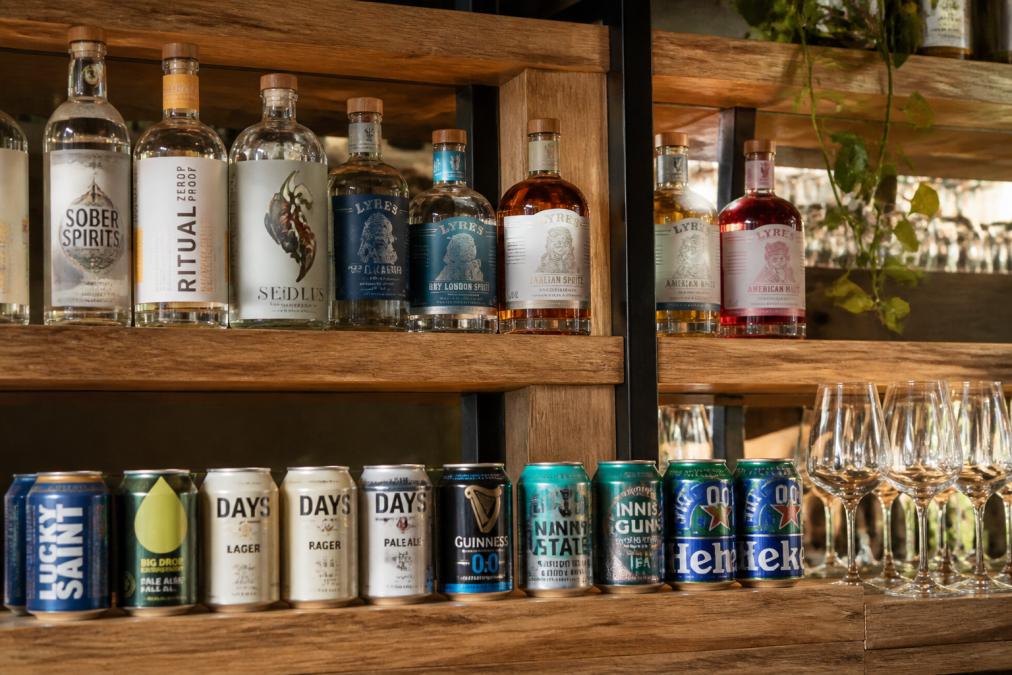
Your traditional soft drink supplier won't cut it. Mainstream wholesalers stock the basics, a few branded alcohol-free beers, perhaps one no-proof spirit, but they're not building a proper range. You need a supplier who understands the category and has invested in sourcing.
Look for suppliers carrying multiple zero-proof spirit brands. Different customers respond to different flavour profiles. One wants something botanical and gin-like. Another wants a rum-style option.
Swallow Drinks carries a curated selection of premium non-alcoholic options including Guinness 0%, Heineken 0%, and San Miguel Alcohol Free. These are established in the market and customers recognise the names. That recognition is valuable.
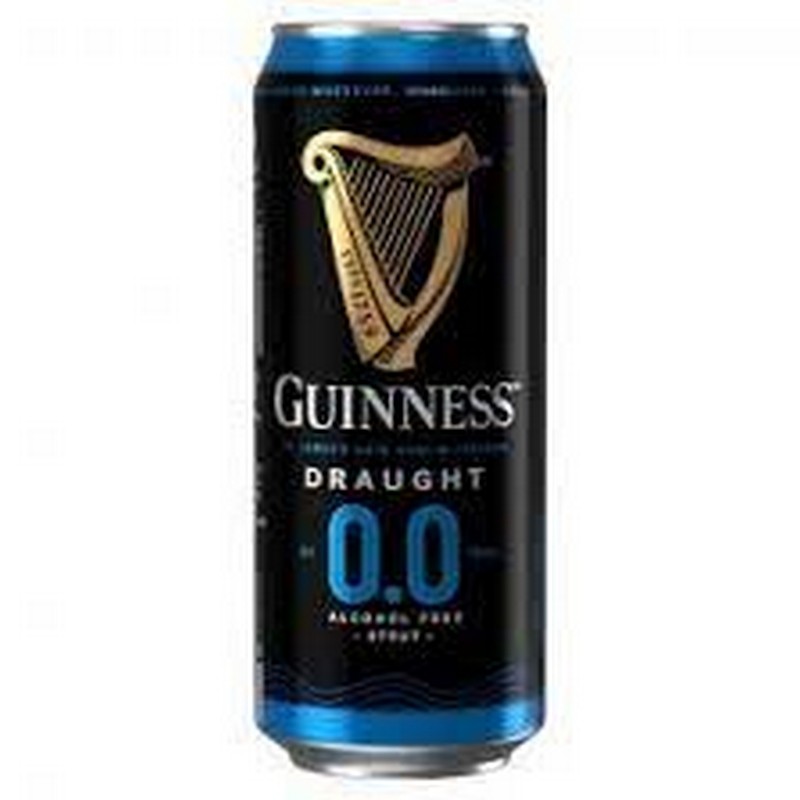
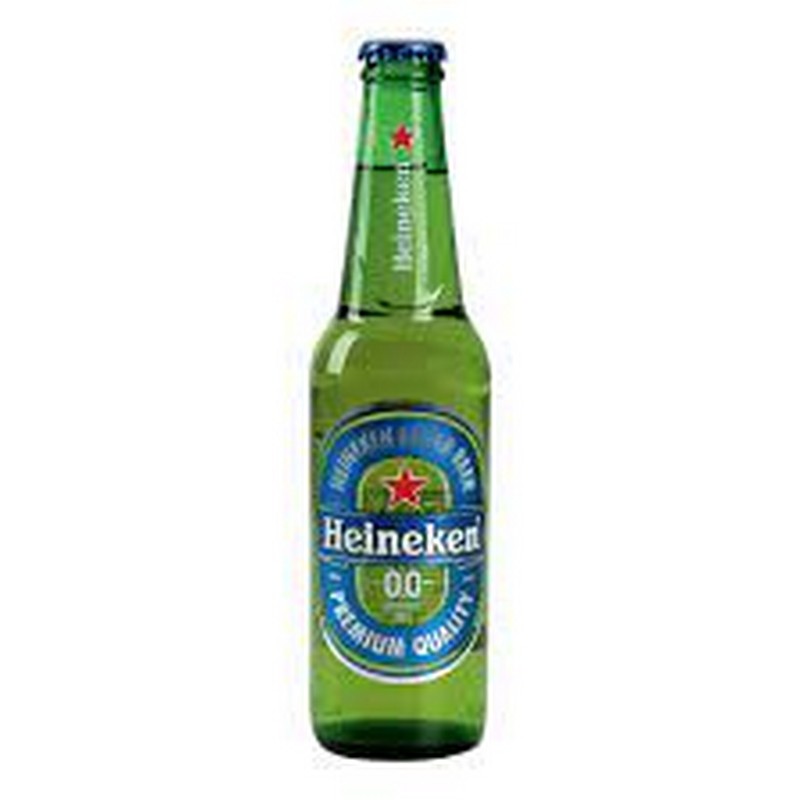
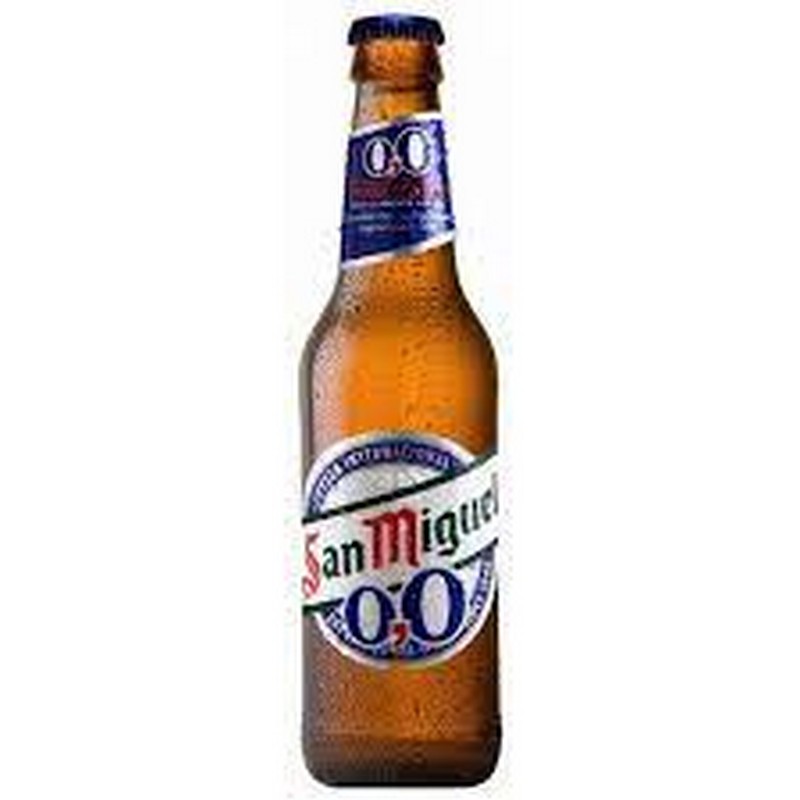
Beyond the branded standbys, source products that give you differentiation. Look for small-batch alcohol-removed spirits, premium mixers designed for non-alcoholic drinks, and functional ingredients like quality bitters, syrups, and infusion bases. These signal that your no and low alcohol menu is intentional.
The supplier relationship matters more than most venues realise. A good supplier doesn't just take orders. They help you think through range, source niche products quickly, and understand your menu strategy.
When evaluating a supplier, ask specific questions. Can they source products outside their standard range? How long does it take? What's their minimum order? Are they willing to work with you on trial stock?
A supplier who says "we stock what we stock, take it or leave it" isn't a partner. Swallow Drinks operates across the region with six-day-a-week delivery, which means you're not waiting for stock or managing erratic supply. Consistency matters when building a menu around specific products.
Be clear about your volume and growth plans. A good supplier scales with you and understands your margins, target customer, and menu positioning.
Pricing is where most venues leave money on the table. They price non-alcoholic drinks lower than alcoholic equivalents because they assume customers expect a discount. They don't.
A customer ordering a premium mocktail isn't comparing it to a soft drink. They're comparing it to an alcoholic cocktail. If your cocktail menu shows spirits-based drinks at £12 and non-alcoholic options at £8, you've positioned the non-alcoholic option as inferior and destroyed your margin.
Start with actual costs. Take a specific drink and calculate the exact cost of every component: the base spirit alternative, the mixer, fresh ingredients, ice, and garnish.
For a zero-proof spirit cocktail using a premium alcohol-free spirit, your base cost might be £2.50-£3.50 per serve (bii.org). A premium mixer might add £0.40-£0.60. Fresh citrus and herbs add another £0.30-£0.50. Total landed cost: roughly £3.50-£4.50 per serve.
Compare that to an equivalent alcoholic cocktail using a mid-range spirit. Your spirit cost is higher because alcohol is taxed, but your total cost structure might be similar or even lower for the non-alcoholic version because you're using less volume of expensive base ingredient.
Non-alcoholic drinks aren't cheaper to make. They're often the same cost or cheaper. Yet customers expect them to be cheaper. That's your margin opportunity.
Price your no and low alcohol menu at parity with your standard cocktails. If your spirit-based cocktails are £12, your premium mocktails should be £12. If you're using a genuinely premium zero-proof spirit, price it at £13.
Test this approach. You'll find customers will pay. Not all customers, but enough. The customers who specifically want a non-alcoholic option and are willing to pay for quality will pay full price. Price variation also signals quality. A mocktail at £8 looks cheap and basic. A mocktail at £12 looks intentional and crafted.
A profitable no and low alcohol menu is a deliberate strategy for how you position, present, and sell these drinks.
Position your non-alcoholic section prominently on your menu. Not at the bottom under "soft drinks." At the top, or integrated into your main cocktail section. The placement signals importance.
Use clear language. "Non-Alcoholic Cocktails" or "Zero-Proof Spirits" tells customers what they're looking at. Describe the drinks properly. A spirit-based cocktail gets a description: "Vodka, fresh lemon, elderflower, soda." Your non-alcoholic equivalent deserves the same treatment: "Zero-proof spirit, fresh lemon, elderflower, soda."
Price consistency matters. If your alcoholic cocktails are listed with prices, your non-alcoholic cocktails should be too. Treat them as part of your main offering.
Non-alcoholic drinks pair with food just as well as alcoholic drinks. A zero-proof spirit paired with a specific dish is more interesting than a soft drink.
Work with your kitchen to identify dishes that work well with specific non-alcoholic options. A botanical zero-proof spirit pairs well with seafood. A fruit-forward non-alcoholic option works with lighter dishes.
Create pairing suggestions on your menu. "Suggested with our pan-seared scallops" or "Pairs well with the beef Wellington." Train your staff to suggest pairings when customers order food. Most won't take it, but some will. Those are margin-generating sales you're currently missing.
The drinks you serve define your menu. A good recipe is repeatable, profitable, and creates a reason for customers to return.
Use commercial products as your base, zero-proof spirits, quality mixers, and layer in house-made elements. A house-made herb infusion, fresh citrus cordial, or spiced syrup adds character without requiring you to build everything from scratch.
House-made elements solve a practical problem: shelf life. A premium zero-proof spirit has a long shelf life. A fresh herb infusion doesn't. By combining commercial base products with house-made elements, you get the best of both worlds. The base keeps indefinitely. The house-made component gets made fresh regularly in small batches.
The labour cost of a house-made element is small. A 30-minute batch of herb infusion yields 20-30 serves. You're adding that cost to a drink you're selling at full price. The margin remains strong.
Build 3-5 signature non-alcoholic drinks. These are your house specialities, the drinks that define your non-alcoholic menu and give customers a reason to choose your venue.
A signature drink needs a story. "We wanted to showcase local botanicals" or "This drink was inspired by a customer request." The story makes the drink interesting.
Infusions are your friend. A botanical infusion base, combined with a premium mixer and fresh citrus, creates a drink that feels special without requiring complex technique. Swallow Drinks can help you source premium botanicals and specialty ingredients that elevate your drinks.
Document your recipes precisely. Every drink should have exact measurements, specific temperatures, and clear instructions. This ensures consistency across your team and makes training straightforward.
A profitable no and low alcohol menu only works if customers know about it and choose it.
Start with your staff. Your team is your primary marketing channel. They need to understand the drinks, believe in them, and actively suggest them. A server who mentions the non-alcoholic option to every customer will shift customer behaviour.
Use your point-of-sale system to flag non-alcoholic drinks. This lets you track which drinks are selling and identify trends. If a particular non-alcoholic drink is outperforming others, push it harder.
On your physical menu, use visual design to draw attention. A distinct colour, a particular icon, or a separate section makes non-alcoholic drinks easy to spot. Customers won't order what they don't notice.
Digital marketing matters too. Feature your non-alcoholic drinks on your website or social media. A photo of a well-made mocktail is as engaging as a photo of a cocktail.
Promotions work. A "Non-Alcoholic Drink of the Week" gives customers a reason to try something new. A discount during specific hours encourages trial. Once a customer has tried a drink they like, they'll order it again at full price.
Your team makes or breaks your non-alcoholic menu. A well-trained server can drive significant uplift in non-alcoholic sales.
Training needs to cover product knowledge, technique, and upselling.
Product knowledge means understanding what's in each drink, why you chose it, and what makes it special. A server who can explain the difference between a zero-proof spirit and a non-alcoholic mixer is more credible.
Technique means consistency. Every drink should be made the same way every time. This requires clear recipes, proper training on measurement and temperature, and accountability for quality.
Upselling means suggesting non-alcoholic drinks at the right moment. When a customer orders food, suggest a pairing. When a customer hesitates between options, suggest the non-alcoholic alternative. Most suggestions will be declined. Some will be accepted. Those acceptances are margin.
Create simple training materials. A one-page guide per drink, listing ingredients, method, and a suggested selling point. Role-play scenarios where staff practise suggesting non-alcoholic options. Hold staff accountable for accuracy and performance.
Creating a profitable no and low alcohol menu requires attention to detail across sourcing, pricing, menu design, and staff execution. The opportunity is real. These drinks generate strong margins and appeal to a growing segment of customers.
Swallow Drinks has supported venues across the region in building proper non-alcoholic programmes. We carry premium stock including Guinness 0%, Heineken 0%, and San Miguel Alcohol Free, with consistent six-day-a-week delivery. We understand the on-trade sector and can help you source the products that match your menu strategy.
Register with Swallow Drinks Trade ordering to access our full range and start building your profitable no and low alcohol menu today.
Profit margins on non-alcoholic drinks can be strong when priced as premium offerings. The key is positioning alcohol-free options as craft products rather than budget alternatives. By sourcing quality non-alcoholic drinks and applying strategic pricing, you can achieve higher margins than standard soft drinks while maintaining customer value perception.
In the UK, drinks containing 0.5–1.2% ABV must be labelled as 'low-alcohol', while products under 0.5% ABV are classified as 'alcohol-free'. All labels must clearly display the ABV percentage and include health warnings as required by the Alcohol Labelling Standards. Ensure your supplier provides compliant labelling, and keep documentation of all products you stock to meet Trading Standards requirements.
House-made drinks offer differentiation, but require staff training, fresh ingredient stock management, and waste control. Commercial zero-proof spirits and alcohol-free beers reduce labour costs and ensure consistency. Most profitable venues use a hybrid approach: stock premium commercial non-alcoholic drinks for quick service and create 2–3 signature house-made mocktails that showcase your bar's expertise and justify premium pricing.
Position alcohol-free options as premium lifestyle choices rather than substitutes. Use terms like 'craft mocktails', 'zero-proof spirits', and 'alcohol-removed' rather than 'non-alcoholic'. Feature them prominently on your menu with compelling descriptions, train staff to recommend them confidently, and use social media to highlight the craftsmanship and ingredients. This approach attracts health-conscious customers, designated drivers, and sober-curious guests without deterring traditional drinkers.
Members of:


AWRS Registration Number: XJAW00000100730