Oct 18, 2026
Last Updated: October 17, 2026
Draught beer freshness is decided long before the first pint is pulled. It hinges on how the keg is stored, how cold it stays, and how clean the line is between keg and tap.
At Swallow Drinks, we have supplied kegs to pubs, bars and gastropubs for over 40 years, and we have seen how quickly a warm cellar or neglected line turns a quality lager into something a customer sends back.
Below, we show you how to store, tap and maintain draught beer so every pint holds up.
The target for most draught beer is a steady cellar temperature of around 11°C to 13°C, with the beer cooled further at the point of dispense to between 5°C and 8°C depending on style.
Heat speeds up the chemical changes that make beer taste stale, and every few degrees warmer shortens the window where the beer is at its best.
Temperature fluctuations do more damage than a consistently slightly warm cellar. Beer that warms and cools repeatedly goes through cycles of expansion and stress, harming flavour and carbonation.
A few practical rules we pass to every trade customer:
A simple daily log catches most problems early. If the reading creeps up two days running, call your refrigeration engineer before a Friday night.
Store kegs upright, in a cool dark cellar, off the floor on a clean rack.
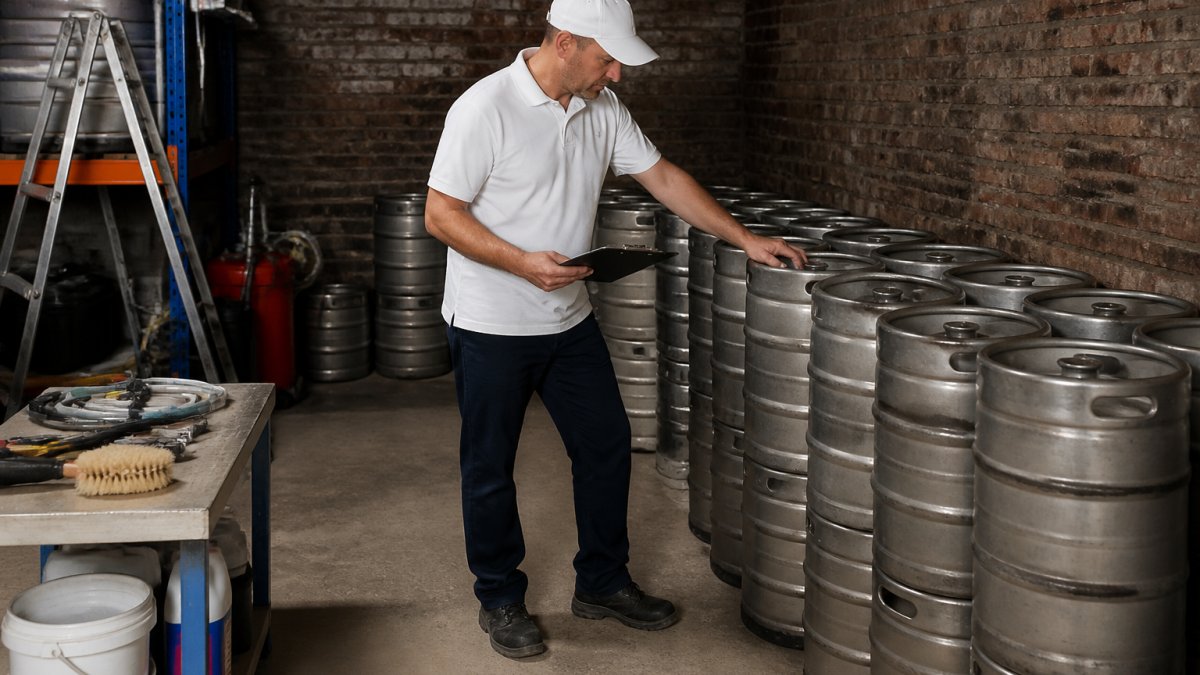
Stack kegs only as high as the pallet or rack allows, and never double-stack loose kegs on their sides.
The two formats you will meet most often are the standard steel keg and the one-way or disposable keg. Steel kegs are returned, rewashed and refilled, so inspect the chime and spear area on delivery for dents or bent fittings before you sign, a damaged spear will leak gas or beer the moment it is coupled.
Smaller formats, 30-litre and 50-litre kegs, store the same way but turn over at different rates. Match keg size to throughput: a venue selling two pints an hour should not tap a 50-litre keg it cannot finish inside a fortnight.
The spear is the valve assembly inside the keg neck, and the coupler is the fitting that clamps onto it, both are where freshness is most easily lost.
When coupling, seat the coupler squarely and engage the locking collar fully before opening the gas. A partially seated coupler is a common cause of foaming and inconsistent carbonation. When decoupling, shut the gas first, vent the line, then release the collar, never pull a coupler off a live line.
Light damages beer, especially hoppy styles: ultraviolet light reacts with hop compounds and creates the skunky aroma drinkers notice straight away. A dark cellar solves most of it, keep kegs away from windows and strip lights.
Heat is the other enemy: a keg left in a sunny yard or warm back corridor ages fast. Move deliveries straight into the cellar, and if you must hold stock temporarily, keep it in the coolest, darkest spot and get it into the cellar the same day.
The principles are the same, but the practicalities differ. A pub cellar has dedicated cooling, a racked floor and a line-cleaning routine; a home setup or small taproom often has a single undercounter cooler, a shorter line run and less temperature stability. If you are setting up a trade account, our team can advise on the right keg sizes and storage layout for your throughput, register at webtrade.swallow.uk.com to get started.
A sealed keg typically stays fresh for several weeks to a few months, depending on style and whether it is pasteurised. Unpasteurised and heavily hopped beers are best within weeks; pasteurised lagers keep longer.
Freshness is not just about the date stamp. Storage conditions decide how much of that window you actually get. A keg kept cold, dark and stable will taste better at week six than one kept warm for a fortnight.
Once a keg is tapped, the clock speeds up sharply as oxygen and pressure changes affect the beer. Most tapped kegs are best finished within a few days to a couple of weeks, depending on style and how well the gas is set.
To protect post-tap freshness:
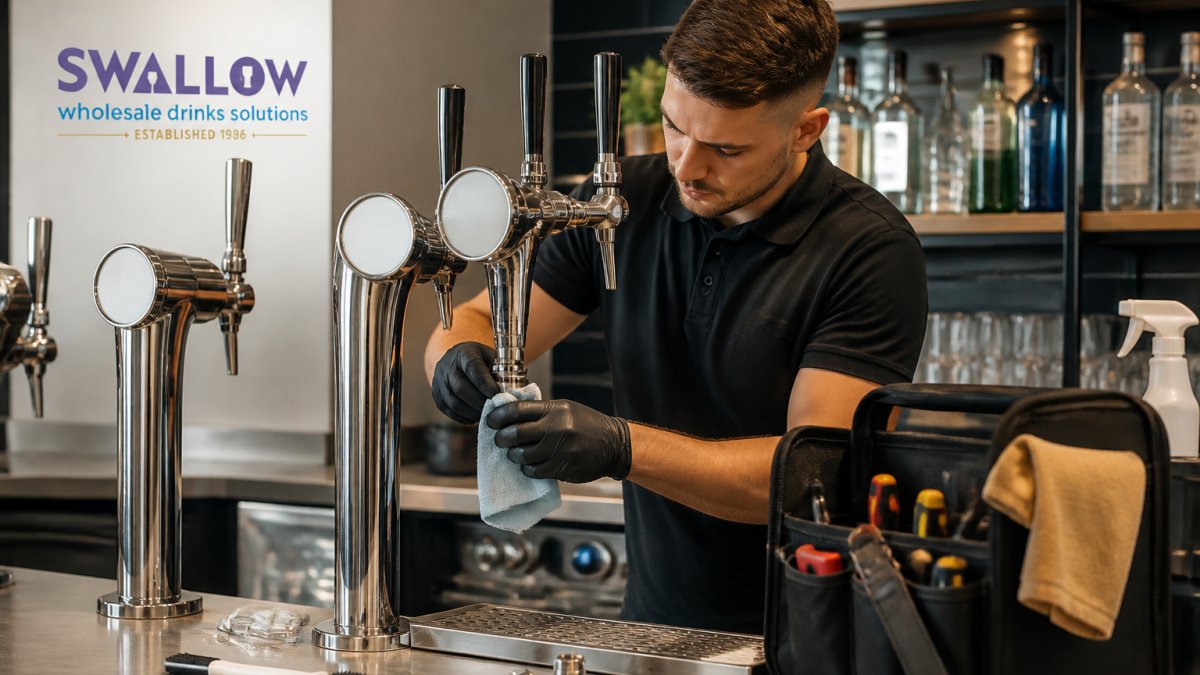
Beer lines should be cleaned at least once a week, and more often in high-volume venues.
Line cleaning is where many venues cut corners, and it shows in the glass.
Use a proper line cleaner and follow the supplier's dilution and contact-time guidance. Flush thoroughly afterwards.
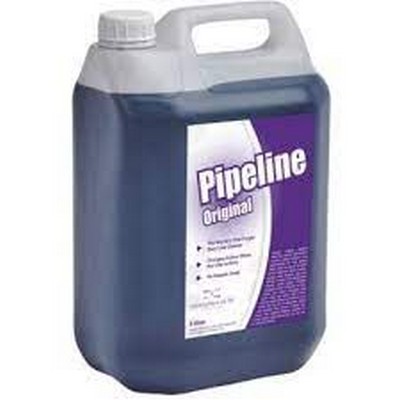
We stock SWALLOW PURPLE B/LINE CLEANER 5LTR at £5.72 to keep this routine simple and affordable. Trade customers can order through our trade ordering portal.
| Task | How Often | Why It Matters |
|---|---|---|
| Check cellar temperature | Daily | Catches drift before beer suffers |
| Clean beer lines | Weekly minimum | Protects flavour and hygiene |
| Check gas pressure | Weekly | Keeps carbonation stable |
| Rotate keg stock | Every delivery | Ensures first in, first out |
| Full line flush and log | Each clean | Proves the schedule is met |
Correct gas pressure keeps carbonation right and helps the beer pour cleanly: too little and it goes flat and foams in the line, too much and it pours as froth.
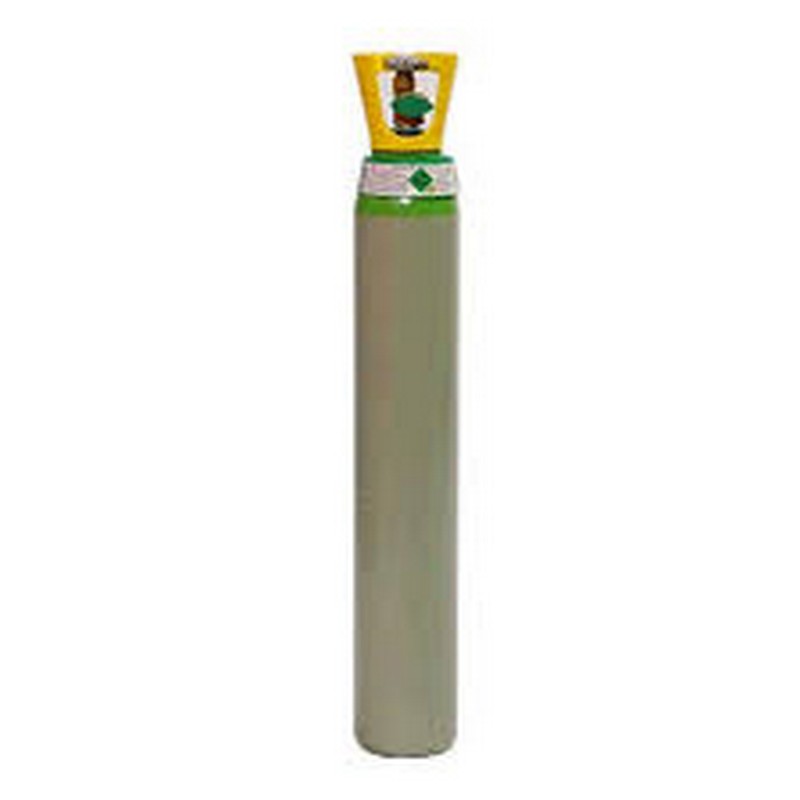
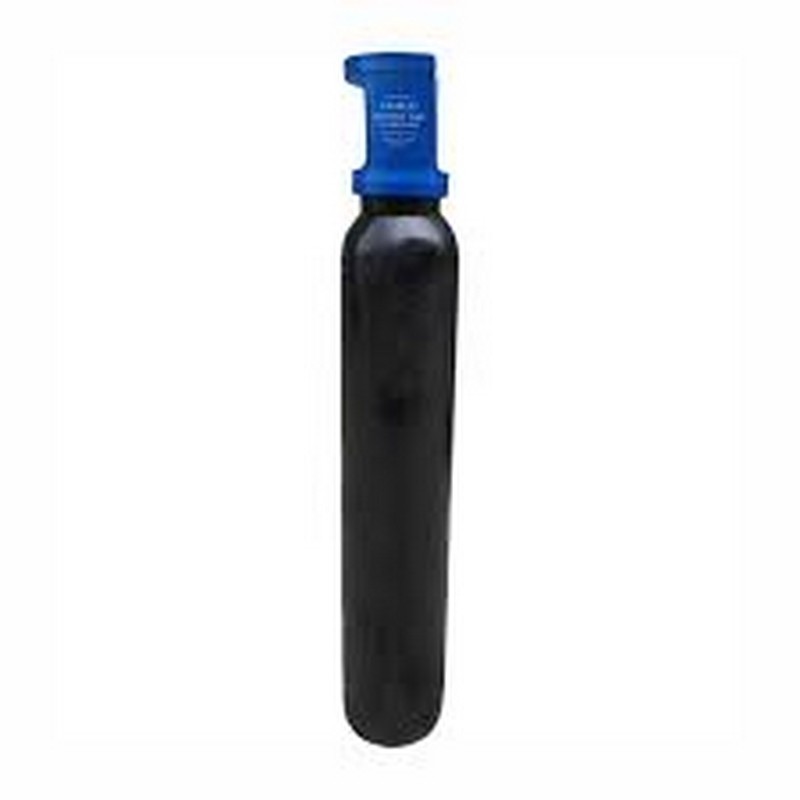
Most venues use either carbon dioxide or a mixed gas blend. We supply BOTTLE C02 GAS at £24.18 and BOTTLE MIXED GAS 60/40 at £27.07, so you can match the gas to your range.
Carbonation is a balance, not a single number: the gas dissolved in the beer depends on applied pressure and beer temperature. Colder beer holds more gas at the same pressure; warmer beer releases it.
Line length and bore matter too: a longer or narrower line creates more resistance, dropping pressure at the tap. Set pressure against the brewery's recommended figure at your actual cellar temperature, then adjust in small increments and let the keg equilibrate, usually a few hours to overnight, before judging the pour.
Pure carbon dioxide suits most ales and stouts through a standard cellar setup and is simpler for low-volume venues. Mixed gas, typically a nitrogen and CO2 blend, suits smoothflow and nitro-style serves and very long line runs needing higher pressure without over-carbonating. It changes mouthfeel and head, so match the gas to the beer, not the other way round.
Set pressure to the brewery's recommendation for each beer, and check gauges weekly, logging the reading alongside cellar temperature. When changing a gas bottle, leak-test the joint with soapy water before walking away, a bubble at the regulator thread is a cheap find compared with a cellar full of flat beer on a Saturday.
If you are unsure which gas suits your range, our team has supplied kegs, gas and line cleaner to the trade for over 40 years and can match the setup to your cellar and your beers. Register at webtrade.swallow.uk.com to order gas and get support when it counts.
Most draught faults trace back to temperature, gas, line hygiene or keg handling. Work through them in that order and you will solve most problems fast.
If a fault hits on a Friday night, you need a supplier who answers. That is why we run six-day-a-week delivery across the trade area and keep gas, line cleaner and kegs in stock. Register at webtrade.swallow.uk.com to order and get support when it counts.
Every pint you serve carries the work done in the cellar before it. Cold, stable, dark storage and a disciplined line-cleaning schedule protect the beer and your reputation. Get the basics right and draught beer freshness looks after itself.
Swallow Drinks supplies kegs, gas and line cleaner to pubs and bars across the region, backed by over 40 years of experience and reliable six-day-a-week delivery. Browse Madri Lager 50 litres at £164.50 and the rest of our range, then register for trade ordering to keep your cellar stocked and your pints fresh.
Most draught beer keeps best in a cool cellar, typically between 11°C and 13°C for cask ales and cooler for lagers. The exact figure depends on the style and the dispense system, so check the supplier's guidance for each keg. What matters most is stability: a steady temperature protects draught beer freshness far better than a cold cellar that swings up and down through the week. Keep kegs away from doors, heaters and direct sunlight.
An opened keg starts to lose condition as soon as air or gas replaces the beer drawn off. A chilled, well-pressurised keg usually stays in good condition for a few days to a couple of weeks, depending on the style and how quickly it is used. Cask ale is far less forgiving and is normally expected to be sold within three days of tapping. Track tapping dates and rotate stock so the oldest keg is always used first.
Beer lines should be cleaned on a regular schedule, commonly weekly, and always between changing kegs of different beers. Use a recognised line cleaner and follow the dilution and contact times on the label. A line that is left too long builds up yeast and bacteria that flatten aroma and leave a sour, vinegary taste. Keep a written log of every clean so you can prove the schedule is being followed and spot problems early.
Store kegs upright. Standing them upright keeps the spear and valve clear, reduces the risk of sediment being disturbed and makes it easier to check for leaks. It also means the keg is ready to tap without being moved into a new position. Keep the cellar floor clean and dry, leave space around each keg for air to move and stack only as high as the keg design allows.
Members of:


AWRS Registration Number: XJAW00000100730