Sep 14, 2026
Last Updated: September 14, 2026
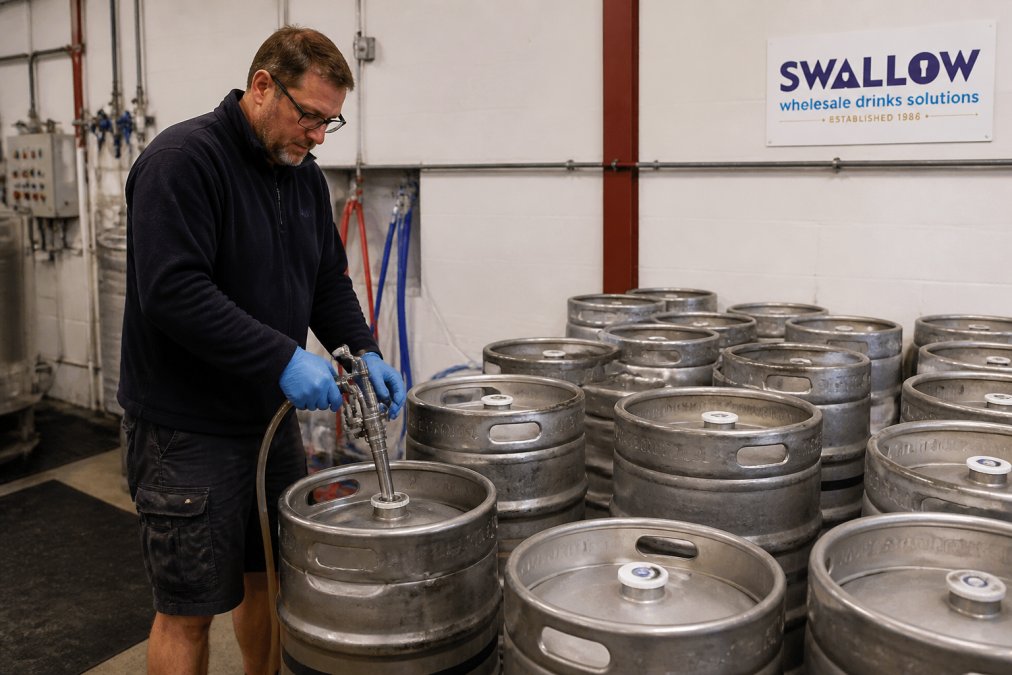
Buying beer in barrels for sale remains one of the most cost-effective ways for pubs and bars to serve draught lager, ale, stout and cider at volume. A 50 litre keg pours roughly 88 pints, so the price per serve is far lower than bottled or canned alternatives, and draught has long been the format customers associate with a proper pub experience. At Swallow Drinks, we have spent 40 years supplying kegs and dispense equipment to independent venues, and the operators who get the most from barrel buying are the ones who understand volume, freshness and storage before they order.
That is the case for kegs in a nutshell, but the detail is where money is made or lost. This guide breaks down keg sizes, what you should expect to pay, how to choose wholesale beer keg suppliers, and how to store and dispense barrels so nothing goes to waste.
The right keg size depends on your weekly pour volume and how quickly you can turn stock over. A busy city-centre bar might empty a 50 litre keg in a weekend, while a quiet gastropub may take a fortnight, and that difference decides whether a smaller format protects freshness.
| Keg Size | Approx. Pints | Best For | Typical Venue |
|---|---|---|---|
| 5 litre | ~9 pints | Home draught trials, mini dispensers | Home users, tasting rooms |
| 11 litre | ~19 pints | Small-batch craft, seasonal lines | Cafés, taprooms |
| 20 litre | ~35 pints | Niche ales, short-run craft | Gastropubs, bottle shops |
| 30 litre | ~53 pints | Slower lines, niche ales | Small pubs, gastropubs |
| 50 litre | ~88 pints | High-volume lager and stout | Busy bars, clubs |
Smaller barrels suit seasonal or craft lines where you want to trial a beer without committing to a full 50 litres. Larger kegs lower your cost per pint but demand steady footfall to avoid waste. Match the format to your pour rate, not to the shelf.
Keg size is only half the decision. The other half is the coupler type, because a keg that will not connect to your dispense head is useless stock. The main formats you will meet in the trade are:
A quick compatibility check before ordering saves a wasted delivery. Confirm three things: the coupler type on your existing dispense head, the keg format of the product you are buying, and whether the keg is returnable or single-use. If you are unsure, ask your supplier to confirm the coupler in writing, a good trade portal will list it against the product.
If you are building a range from scratch, Swallow Drinks has spent 40 years supplying kegs and dispense equipment to independent venues, and the trade team can confirm coupler compatibility against your existing setup before you order. Register at the Swallow Drinks trade portal to see the full keg range and live stock levels.
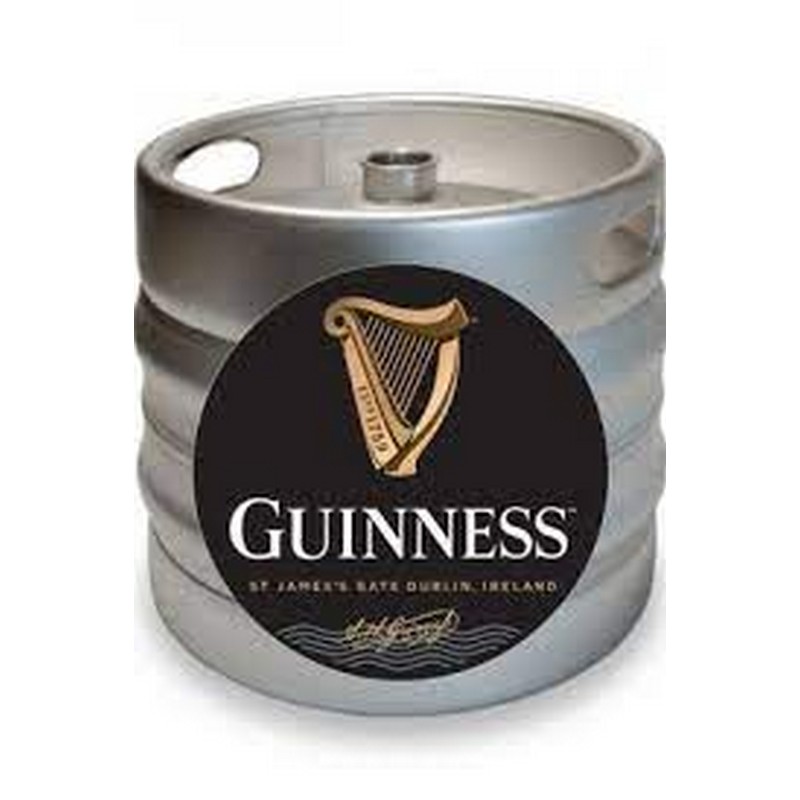
Prices for beer in barrels for sale vary with brand, strength and keg size. As a benchmark, a 50 litre lager keg from our trade range sits at £164.50 for Madri 4.6% and £175.91 for Carling 4%, while Guinness Stout is £184.01 for 50 litres or £98.32 for the 30 litre format. Those figures give you a realistic starting point when you build your cost per pint.
The key is to compare cost per pint, not cost per barrel. A 30 litre keg at £98.32 works out higher per pint than a 50 litre at £164.50, but it protects you from spoilage if the line is slow. Wholesale pricing should always be quoted clearly, with no hidden surcharges on delivery or keg deposits.
A reliable wholesale beer keg supplier does three things well: consistent delivery, transparent pricing and genuine support when a line fails. For independent venues, the difference between a good and bad supplier shows up on a Saturday night, not in the sales pitch. guidance from the British Beer and Pub Association on the pub trade highlights how much draught quality depends on the supply chain behind the bar.
When you assess a supplier, ask about delivery frequency, minimum order values and what happens if a keg is faulty. A supplier who understands your menu can also advise on range, rather than simply taking orders. Swallow Drinks offers trade ordering through the trade portal at webtrade.swallow.uk.com, where independent pubs and bars across the West Midlands can register and order stock with clear, upfront pricing.
Draught beer storage best practices come down to four variables: temperature, pressure, cleanliness and rotation. Get all four right and a keg will pour consistently from the first pint to the last. Get one wrong and you will be pouring foam, flat beer or worse.
Kegs should be stored chilled and consistently. Most ales sit well between 11 and 13°C, while lager and stout are typically served colder, often in the 4 to 8°C range depending on the brand (Beer Temperature). The exact figure matters less than the consistency, a keg that swings between warm and cold degrades carbonation and throws the dispense balance out.
Dispense pressure is not a single number, it is a balance between the CO2 pressure applied to the keg, the resistance of the line, and the temperature of the beer. A common pattern is a venue turning the regulator up to fix a slow pour, which over-carbonates the beer and produces foam. If the pour is slow, check line length, restrictor size and temperature before touching the regulator.
Line cleaning is the maintenance task that separates a good cellar from a bad one. Beer lines should be cleaned on a weekly cycle using a recognised line-cleaning chemical, with the lines flushed thoroughly afterwards. A common mistake is leaving line cleaning until a problem appears, by which point flavour has already suffered and the line may need replacing.
food safety and hygiene guidance from the Food Standards Agency sets the wider hygiene expectations that apply to any cellar handling drinks, and a written cleaning routine is the simplest way to stay on the right side of them.
Rotate stock so older kegs are used first. Date every keg on delivery and work on a first-in, first-out basis. A keg that has sat warm for a fortnight will not pour as well as one that has been chilled from delivery, so plan deliveries around your trading pattern rather than your storage space.
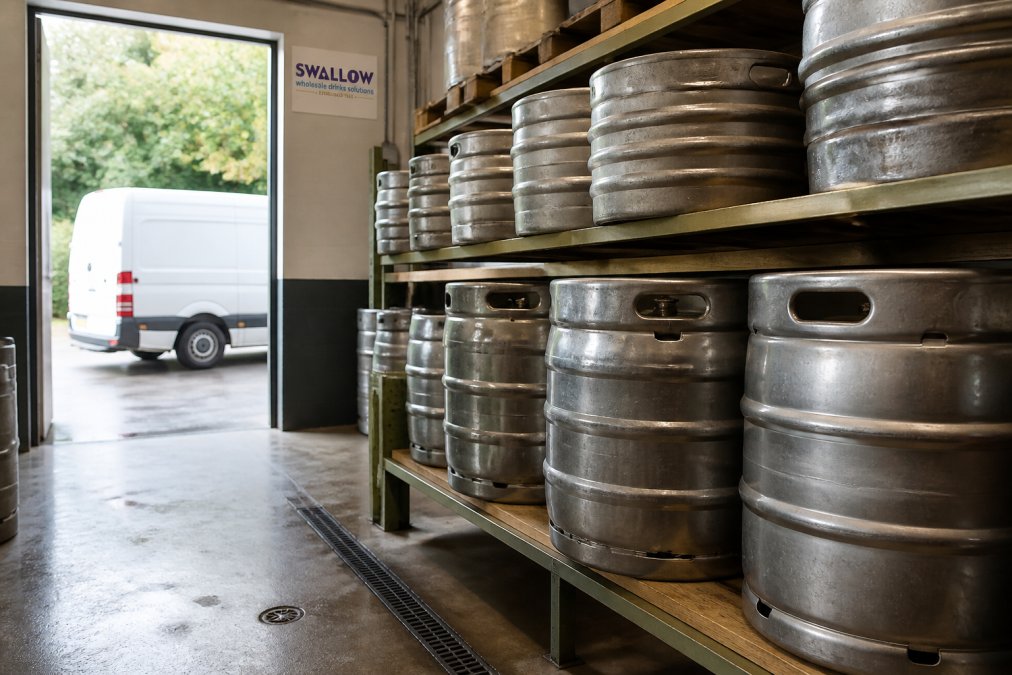
Most trade kegs are returnable, and returning them promptly keeps your deposit cycle clean and reduces the number of kegs sitting in your yard. Steel kegs are reconditioned and reused; single-use formats such as KeyKeg are recycled through specialist collection. Ask your supplier how they handle empty collections, a good wholesaler will build it into the delivery round rather than leaving you to chase it.
Swallow Drinks has supported independent venues for 40 years, and the trade team can advise on cellar setup, line cleaning schedules and empty keg collection as part of your regular delivery. Register at the Swallow Drinks trade portal to see trade pricing and arrange a cellar review.
The benefits of switching to free of tie pub agreements include lower product costs, freedom to choose your range and the ability to buy from whichever wholesaler gives you the best terms. Under a tied agreement, you are often obliged to buy certain products from your pub company at set prices. Free of tie removes that restriction, so you can negotiate directly with a wholesaler.
For independents, this flexibility is where margin is recovered. You can stock local craft beers and niche labels that differentiate your venue, and switch supplier if service slips. The trade-off is that you take on more of the buying decision yourself, which is why a knowledgeable wholesaler relationship matters. Swallow Drinks has supported free-of-tie operators for 40 years, helping venues build a range that fits their menu and their customers.
Ordering kegs online is straightforward once you have your account set up. Register with a trade wholesaler, confirm your delivery address and preferred delivery days, then build your order from the available range. Most trade portals show live pricing and stock levels, so you can plan around your footfall.
For venues across Birmingham and the West Midlands, Swallow Drinks offers six-day-a-week delivery and a portfolio spanning lager, stout, cider and craft. Register at the Swallow Drinks trade portal to see trade pricing, and browse the keg range including MADRI LAGER (50 LTRS) 4.6% and GUINNESS STOUT 30LTR 4.1%.

You can buy beer in barrels for sale through specialist wholesale suppliers, brewery direct schemes, or trade-focused online platforms. For pubs and bars, a dedicated wholesaler is usually the most reliable route because they hold stock across lager, ale, stout and cider and can deliver on a set schedule. Swallow Drinks supplies kegs to the on-trade across Birmingham and the West Midlands, and trade customers can register at webtrade.swallow.uk.com to order online.
Cost depends on the beer style, brand and keg size. As a guide from the Swallow Drinks range, a 50-litre Madri Lager keg is £164.50, a 50-litre Carling Lager keg is £175.91, a 50-litre Guinness Stout keg is £184.01, and a smaller 30-litre Guinness Stout keg is £98.32. Smaller kegs suit lower-volume venues, while 50-litre barrels bring the cost per pint down for busy bars.
Buying beer in barrels gives you better margins than packaged formats, a fresher product when turnover is steady, and the flexibility to rotate taps with seasonal or craft lines. It also supports draught-led venues where customers expect a proper pint. Working with a reliable wholesale beer keg supplier keeps your lines full, which matters most on peak trading nights.
An unbroached keg typically keeps for around three to four months when stored cool and undisturbed, though this varies by beer style and strength. Once tapped, a keg should be used within three to five days for best quality. Following draught beer storage best practices, keeping kegs between 11°C and 13°C and away from direct sunlight, protects carbonation and flavour throughout the keg's life.
Running a busy bar means never running dry, and that comes down to choosing a wholesaler who delivers when they say they will. Swallow Drinks is a family-run independent wholesaler with 40 years of experience, a vast portfolio of premium brands and six-day-a-week delivery across the West Midlands. Register for trade ordering and get keg pricing and stock built around your venue's needs.
Members of:


AWRS Registration Number: XJAW00000100730