Oct 15, 2026
Last Updated: October 15, 2026
Supplying canned ready to drink cocktails for stadiums solves the biggest problem in stadium drinks service: speed.
At Swallow Drinks, we have spent over 40 years supplying the on-trade across Birmingham and the surrounding areas, and the venues that get matchday right treat the drink range as an operations problem first and a menu problem second.
The reasons stack up quickly:
Where it falls short is flexibility. A canned range cannot match a full back bar for choice, so the skill lies in picking a tight selection that covers the crowd rather than trying to cover every taste.
Food Standards Agency guidance on selling alcohol responsibly
A stadium drinks supplier is judged on three things: whether the stock arrives when promised, whether the range suits a high-volume crowd, and whether the pricing holds up. Everything else is secondary.
We would put reliability first, and not by a small margin. A venue that runs dry on a Saturday afternoon cannot recover that day's trade, and no discount makes up for it. Ask directly:
A common mistake is choosing on headline price alone. The cheaper quote often carries a minimum order that ties up cash in stock you did not plan for.
Most venues we work with run through the same five-stage process before committing to a canned drinks range. Treat it as a checklist, not a conversation.
1. Range fit. Ask the supplier to map their canned range against your fixture calendar.
**2.
3. Commercial terms. Pin down minimum order values, payment terms, whether pricing is fixed for a season or reviewed quarterly, and what happens if a line is discontinued mid-season. Get it in writing.
4. Compliance support. Ask whether they can provide product specification sheets, allergen information and ABV data for your premises licence holder.
5. Pilot and review. Never commit a full season to an untested range. Agree a short pilot, measure it, and scale what works.
Swallow Drinks has supplied the on-trade for over 40 years, and the venues that get the most from a canned range share a few habits. They order through a trade account so pricing and stock levels are visible before they commit, keep a written par level for every line, and review the mix after each fixture rather than once a season.
If you run a stadium bar, a kiosk or a hospitality suite, the quickest way to see the range and terms is to register at our trade ordering portal. You can browse canned ready to drink cocktails and canned soft drinks side by side, check case pricing, and place a first order without a lengthy onboarding process.
Food Standards Agency guidance on selling alcohol responsibly
Matchday drinks concessions live or die on the 30 minutes before kick-off and the half-time rush, short, intense windows where the wrong stock mix shows up immediately.
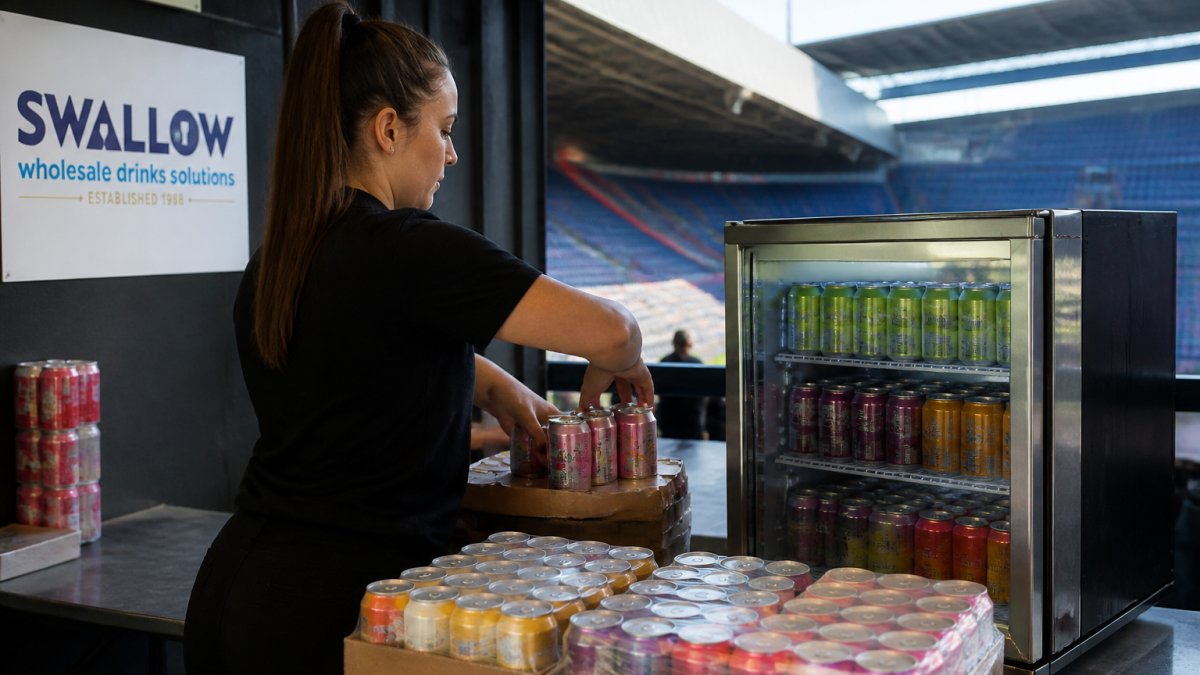
Start with demand shape rather than total volume. Ask what sells in the 90 minutes around the match, not across the week. Cans suit this pattern because they chill in bulk, move to a satellite bar in minutes and sell without preparation.
Practical steps we would take with any venue:
That last point matters more than most operators expect. A range that looks balanced on paper often turns out to be two products doing most of the work.
Alcohol licensing for stadiums is governed by the Licensing Act 2003, and the premises licence sets out the hours, conditions and areas where alcohol may be sold. A supplier cannot fix a licensing problem, so get this right before you worry about the drinks list.
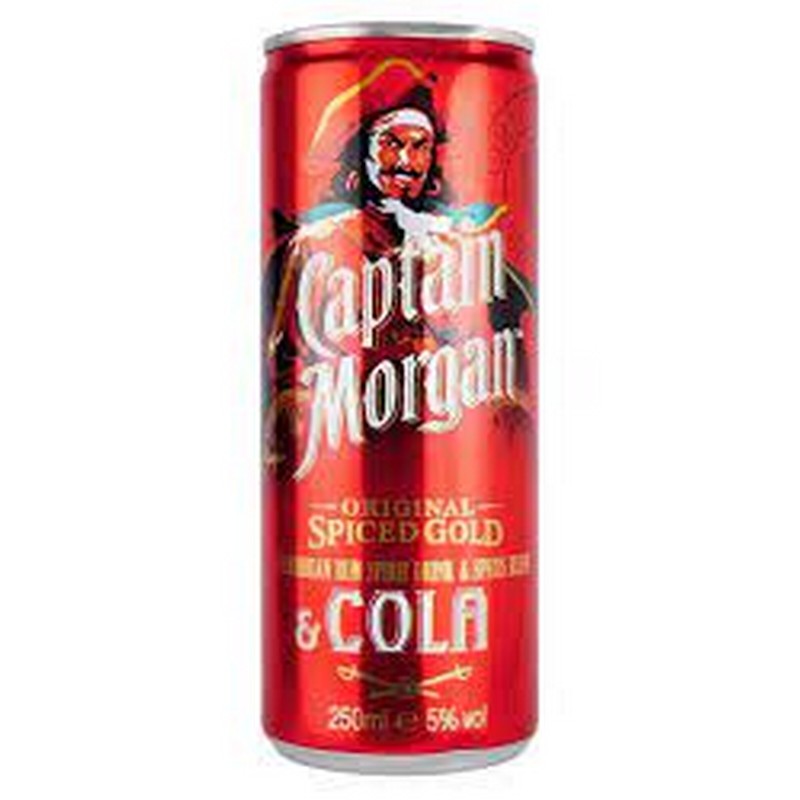
CAPTAIN MORGAN RUM & COLA 12 X 250ML CANS →
The practical points for any venue selling canned alcohol:
The Licensing Act 2003 sets the framework, and your local licensing authority applies it through your licence conditions. Read those conditions before you design a drinks range, because they often decide where a canned offer can actually be sold.
Licensing conditions decide where you can sell, not what you can sell. Confirm the licence covers every service point before you commit to a stock plan.
Canned soft drinks for events are not an afterthought. At most fixtures a meaningful share of the crowd is not drinking alcohol, and they still buy drinks, often more than once.
A sensible non-alcoholic range covers three jobs: a cola or lemonade for the mainstream, a sugar-free option, and something with more character for adults who want a grown-up soft drink.
We stock a wide canned soft drinks range, and the venues that get the best return treat it as a full part of the offer rather than a token gesture. Price it sensibly, place it beside the alcohol, and it sells.
Canned cocktails for stadiums are usually supplied in 12 x 250ml cases, the format that suits both storage and service. A 250ml can is a sensible single-serve size: quick to pour, easy to carry and simple to price.
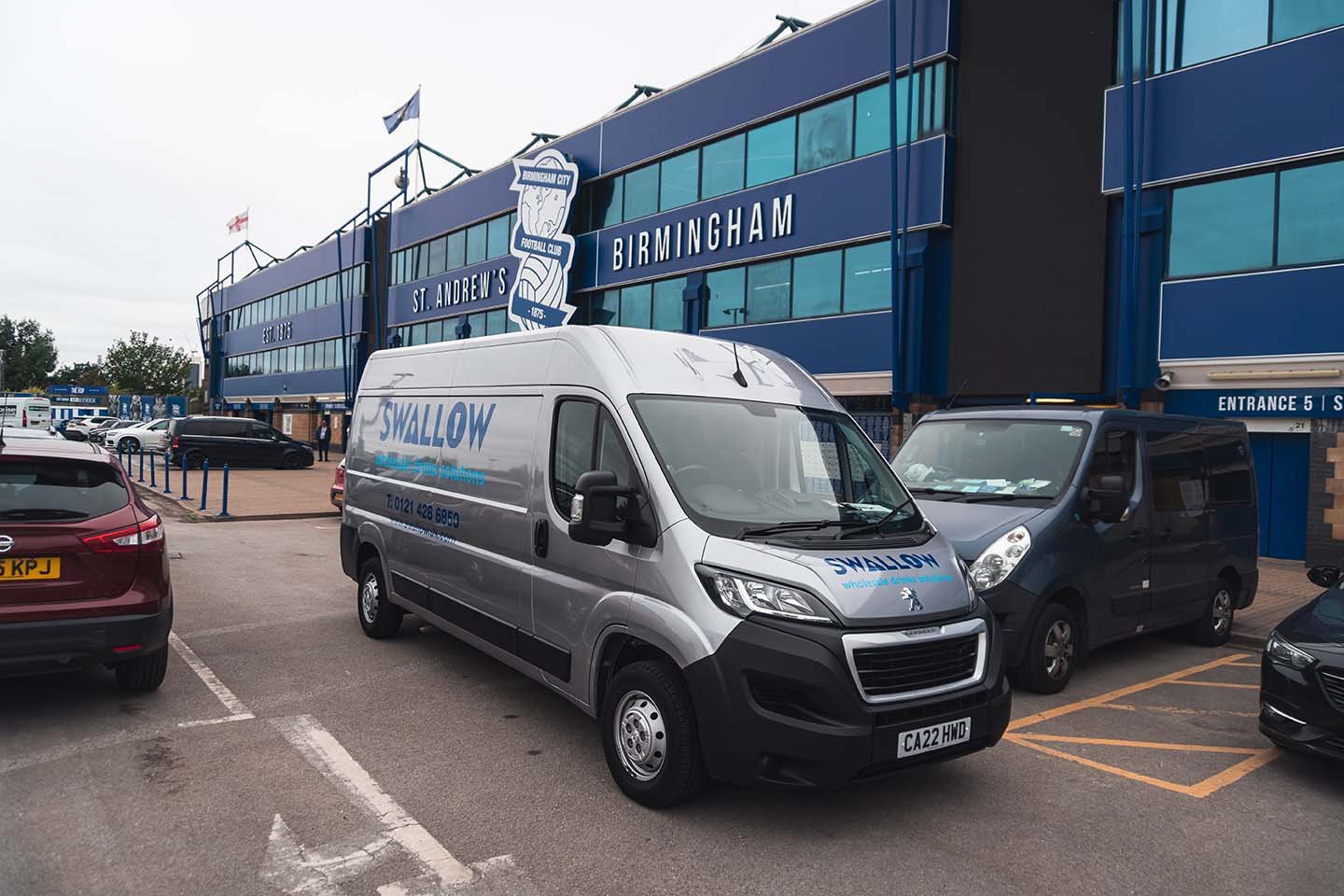
Before you choose a range, check the specifications against how your venue actually operates. The details that cause problems are rarely about flavour.
From our own canned ready to drink range, three lines do well in high-volume settings:
Product | Pack Size | Price per Case | Best For |
|---|---|---|---|
Captain Morgan Rum & Cola | 12 x 250ml | £22.49 | Rum drinkers, evening fixtures |
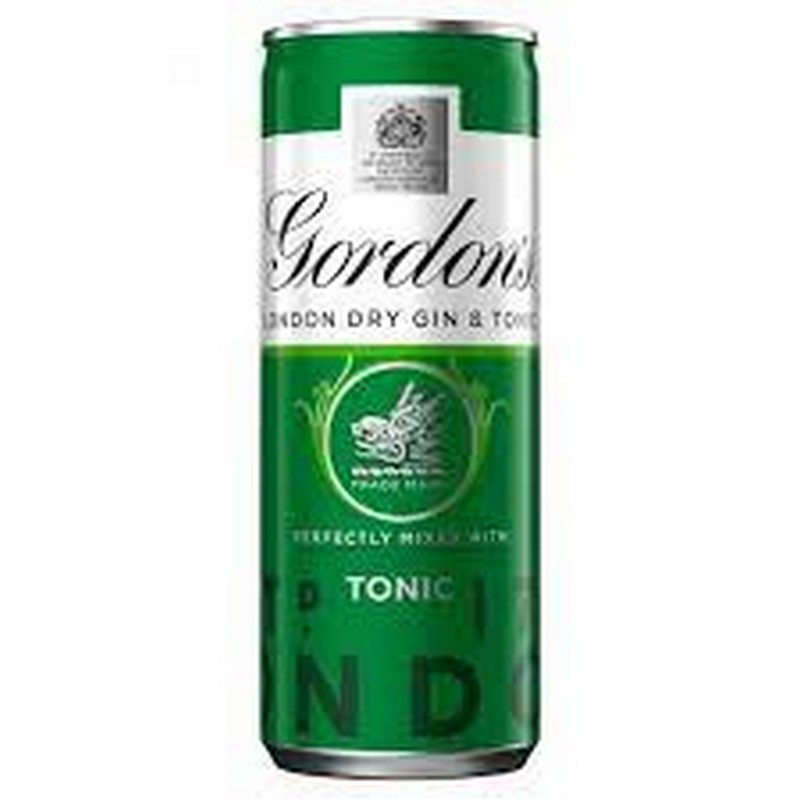
Gordons Gin & Tonic | 12 x 250ml | £22.49 | Broad appeal, all-day service |
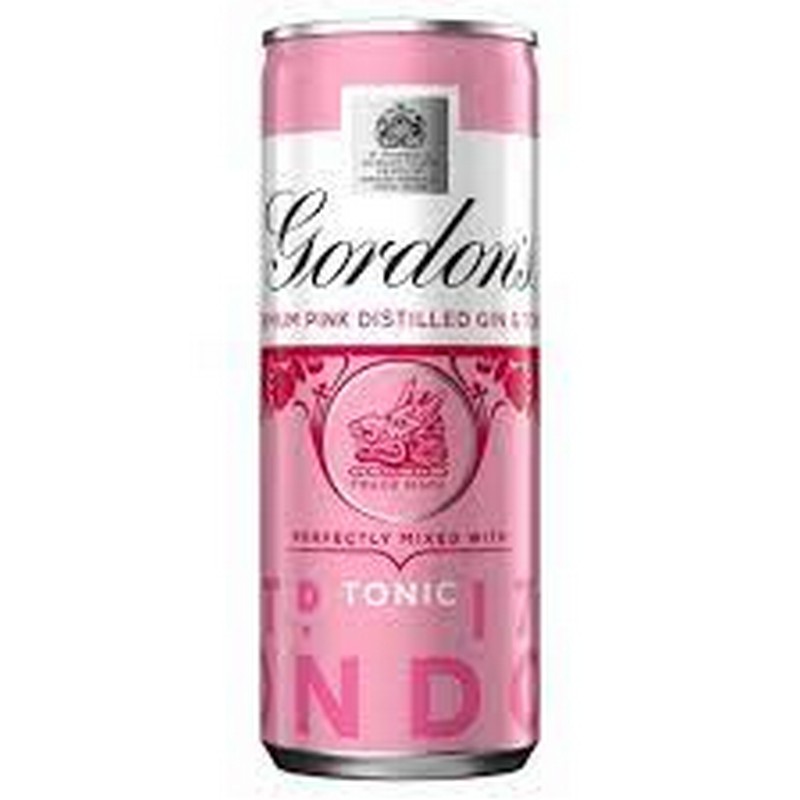
Gordons Pink Gin & Tonic | 12 x 250ml | £22.45 | Warmer months, mixed crowds |
Gordons Pink Gin & Lemonade | 12 x 250ml | £22.45 | Lighter, fruit-led option |
A tight range of three or four lines outperforms a long list almost every time. Fewer lines mean deeper stock, faster rotation and less waste.
A stadium drinks range is not complete without a non-alcoholic option. Canned soft drinks for events sell alongside alcohol, often to the same customer at a different point in the day. From our canned soft drinks range, the lines that move best at venue scale are the mainstream colas, lemonades and sugar-free options.
A canned cocktail range is easy to trial and measure. Run a short pilot across two or three fixtures and track:
That last point matters more than most operators expect. A range that looks balanced on paper often turns out to be two products doing most of the work.
If you want to see the full canned ready to drink range and case pricing before you plan a pilot, register at our trade ordering portal. Trade customers get transparent case pricing, six-day-a-week delivery and a team that understands matchday volumes.
Commercial terms matter more at stadium scale than anywhere else, because a single missed delivery is visible to thousands of people.
Our trade customers order through our trade ordering portal, which keeps reordering simple and pricing visible. If you run a venue and want to see the range and terms for yourself, registering there is the quickest route in.
The question we hear most is whether a small independent can get the same service as a large group. Six-day-a-week delivery and honest pricing matter more to a venue than a loyalty scheme.
Running drinks across a stadium means getting stock, licensing and service right at the same time, and one weak link shows up in front of a full crowd.
Operators should weigh pack format, ABV, flavour range and how quickly each can pours. A 12 x 250ml case suits high-volume bars because staff can serve a drink in seconds without mixing. Stock a spread of gin, rum and vodka-based options so supporters find something familiar, and check that every product fits your premises licence conditions before ordering.
Sales must sit within a premises licence granted under the Licensing Act 2003, and the designated premises supervisor is accountable for compliance. Challenge 25 applies, so staff should ask anyone who looks under 25 for photo ID. For matches with large crowds, the licence may carry conditions on hours, container type and the number of door staff. Confirm your conditions before adding new lines.
A canned drink needs no measuring, shaking or glassware, so a server can hand one over in seconds. That matters when 30,000 supporters arrive in the same 40-minute window. Chilling cans in advance and keeping them within arm's reach of the till cuts queue times further. Many venues also pre-open a batch before kick-off to handle the half-time rush.
Most grounds prohibit bringing your own alcohol through the turnstiles, and stewards will confiscate it at the search point. Alcohol is normally sold inside the concourse instead. Ground regulations and the venue's premises licence set the exact rules, so check the club's published policy before travelling. Selling drinks inside is what keeps matchday drinks concessions compliant and profitable.
Members of:


AWRS Registration Number: XJAW00000100730