Jul 02, 2026
Last Updated: July 2, 2026
Finding a reliable drink wholesaler for hotels requires more than a quick supplier search. Hotel procurement managers face unique challenges: maintaining diverse drink portfolios, managing bulk orders, coordinating reliable delivery schedules, and building lasting partnerships with suppliers who understand the on-trade sector. This guide walks you through evaluating wholesalers, negotiating contracts, and building a sustainable procurement strategy.
A reliable drink wholesaler combines product breadth, consistent logistics, competitive pricing, and genuine partnership mentality. When evaluating potential suppliers, assess three core dimensions: their ability to supply what you need, their commitment to delivering on schedule, and their willingness to adapt as your business evolves.
The foundation of reliability sits in consistency. Look for wholesalers who track performance metrics: on-time delivery rates, order accuracy percentages, and inventory turnover speeds. Transparency matters enormously, the best distributors provide visibility into supply chain sourcing, storage, and contingency plans when brands become unavailable.
Financial stability is critically important. Ask about ownership structure, years in business, and insurance coverage. A wholesaler facing cash flow problems may struggle to maintain inventory or meet delivery commitments. For a family-run independent wholesaler like Swallow Drinks, over 40 years of continuous operation signals staying power and deep industry roots.
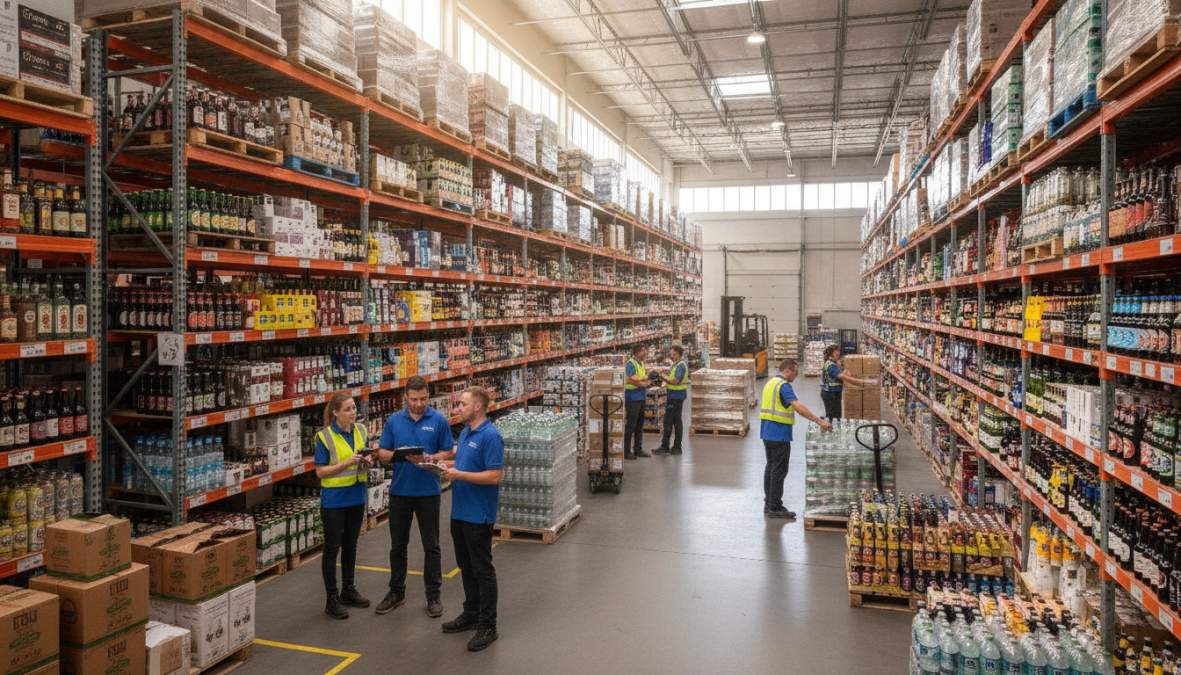
A reliable wholesaler maintains regional distribution networks enabling frequent, predictable delivery windows. Ideally, you want 2-3 delivery options per week rather than once-weekly service that forces excess inventory or stockout risk.
Temperature-controlled logistics are essential for wine, spirits, and certain soft drinks. Ask potential suppliers about their vehicle fleet, storage facilities, and seasonal temperature management. Order fulfillment speed also matters, some wholesalers require 24-48 hour lead times while others accept same-day orders. For unexpected demand spikes, flexible ordering without punitive pricing earns loyalty.
Choosing the right wholesale supplier requires structured evaluation against criteria that matter for your property's unique needs.
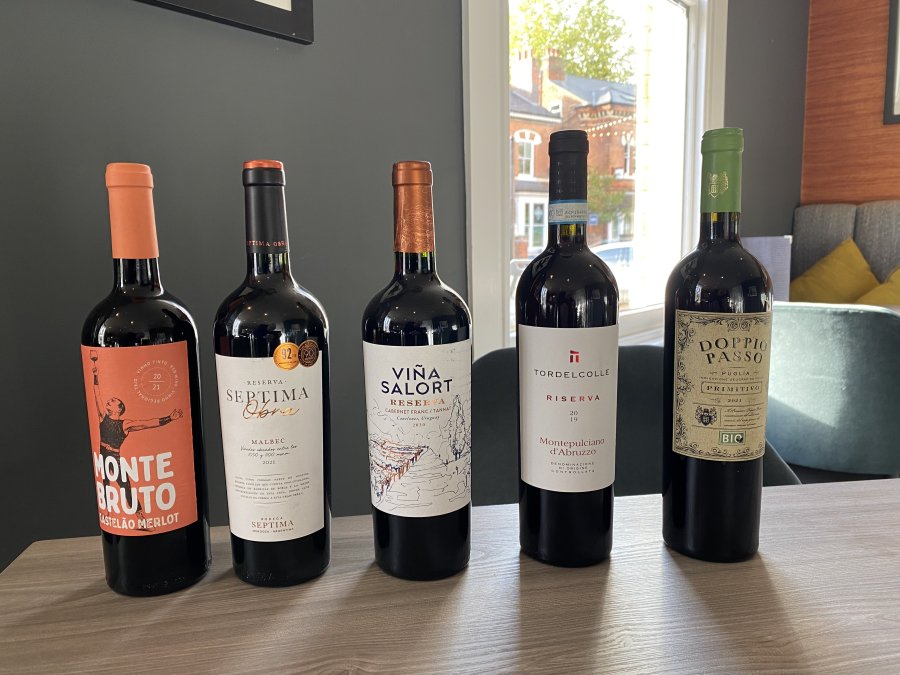
Step-by-step visual guide for Hotel for reliable drink wholesaler for hotels
Start by verifying basic credentials: proper licensing, insurance coverage, food safety certifications, and compliance with local alcohol regulations. Assess their track record in hospitality, a distributor with deep hotel experience understands your operational constraints around peak seasons, brand consistency, and F&B budget management.
Request financial references from the distributor's bank and other hotel clients. A supplier with payment issues may struggle to maintain adequate inventory. Avoid wholesalers who pressure you into long-term contracts without trial periods. A reliable partner should be confident enough to earn your business gradually.
Your guests expect variety across wine, beer, spirits, soft drinks, mixers, and specialty drinks. Request a complete product catalog and pricing sheet, comparing their brand availability against your current supplier. Pay attention to gaps, if they don't carry 3-4 of your top-selling brands, that's a problem.
Ask about sourcing relationships. Do they work directly with distilleries and breweries, or purchase from larger distributors? Direct relationships often mean better pricing, exclusive offerings, and priority allocation during shortages. Swallow Drinks maintains relationships with premium suppliers across all categories, enabling consistent access to quality products and exclusive selections.
Understand volume discount tiers and whether they apply across all product categories. Some wholesalers offer better pricing on high-volume brands but less favorable terms on specialty items.
A local or regional wholesaler typically offers faster, more frequent deliveries than a national distributor. They understand local market dynamics, seasonal demand patterns, and regional preferences. Confirm the wholesaler's service area explicitly, some claim regional coverage but rely on third-party logistics for outlying areas, creating delays.
Ask about delivery infrastructure: How many distribution centers do they operate? What's their vehicle capacity? Can they handle large orders without advance notice? A wholesaler with multiple regional hubs responds faster to changing needs.
Beyond choosing the right supplier, procurement excellence requires strategic thinking about inventory, ordering patterns, and supplier relationship management.
Analyze your current drink spending by category. Your top 20 products typically represent 70-80% of volume, focus negotiation efforts here. Establish seasonal ordering patterns around predictable demand cycles: summer peaks, special events, holidays. Some wholesalers offer advance-order discounts for seasonal stock, reducing costs significantly.
Sustainability increasingly matters to guests. Ask your wholesaler about sourcing practices and whether they offer organic, biodynamic, or sustainably sourced options. Build flexibility into supply contracts, your drinks preferences may shift as guest demographics change or market trends evolve.
Implement a par-level system determining minimum inventory needed between deliveries plus a safety buffer. Use your POS system to track drink sales by category and product, informing ordering decisions and identifying slow-moving inventory. Coordinate delivery timing with your F&B team, receiving should happen when staff are available to verify orders and properly store products.
A well-written contract clarifies expectations, defines dispute resolution, and ensures you're getting what you negotiated.
Your contract must specify product pricing clearly, broken down by category and brand with volume discounts explicitly stated. Include language addressing price adjustment notice periods. Define delivery terms precisely: expected frequency, delivery windows, and what happens if a delivery is missed. Address quality and returns, what's your recourse if products arrive damaged?
Specify contract duration and termination terms. Avoid open-ended contracts. A 12-month term with 60-day termination notice provides flexibility while offering the wholesaler stability. Include performance benchmarks, if the wholesaler fails to meet delivery or accuracy standards consistently, you should have grounds for early termination.
Understand the discount structure: Is it tiered (threshold-based) or graduated (quantity-based)? Negotiate volume discounts across your entire portfolio, not just high-margin items. A wholesaler who insists on premium pricing for certain brands despite your overall volume prioritizes short-term margin over partnership.
Consider whether bulk ordering strains your storage capacity. A smaller discount on more frequent orders may serve you better than a larger discount requiring excessive inventory.
Local and regional wholesalers typically offer personalized service, faster delivery, and more frequent options. You work with the same account manager who learns your preferences and can make exceptions when necessary. National distributors offer broader product selection and standardized processes, beneficial for hotel groups seeking group discounts.
Regional wholesalers understand the on-trade sector intimately, having served hundreds of hotels and restaurants. They know which products work and how to optimize your drinks program. Flexibility defines them, they accommodate rush orders, special requests, and trial products without bureaucratic delays.
Relationship depth matters operationally. When you call your account manager, you reach someone who knows your property and business challenges. They're motivated to solve problems quickly because your success reflects on them.
Many hotels supplement their main drinks program with micro-markets or in-room vending. A comprehensive wholesaler supports both channels, supplying your main bar, restaurant, and room service plus stocking micro-markets and vending machines. This consolidated approach simplifies ordering and ensures consistent brand availability across all guest touchpoints.
Your wholesaler should integrate with F&B management software or provide data that feeds it. Ask whether they offer digital ordering platforms with real-time inventory visibility, historical ordering data, and automated reordering based on par levels. Some integrate directly with POS systems, eliminating manual data entry and improving communication.
The biggest mistake is prioritizing price above all else. The cheapest wholesaler rarely delivers best value, low prices often reflect lower service levels, inconsistent delivery, or limited product selection. A slightly higher-priced supplier who delivers consistently generates better ROI.
Failing to negotiate is costly. Wholesalers expect negotiation and build room into initial quotes. Request volume discounts, promotional pricing on slow-moving products, and delivery frequency adjustments. Underestimating trial periods is another mistake, don't sign long-term contracts based on conversations alone. Request 30-day trials to evaluate actual performance.
Avoid wholesalers requiring exclusivity agreements or restricting purchases from competitors. You should retain flexibility to source specialty items elsewhere. Many hotels fail to establish clear performance metrics. Include specific benchmarks in your contract: 98% on-time delivery rate, 99% order accuracy, 24-hour response to inquiries.
Selecting a reliable drink wholesaler shapes your entire drinks operation. The right partner combines consistent supply, competitive pricing, responsive service, and genuine partnership mentality. Swallow Drinks exemplifies these qualities: over 40 years of family-run operation, a vast portfolio of premium wine, beer, spirits, and soft drinks, and deep commitment to serving the on-trade sector. Whether evaluating your first wholesaler or replacing an underperforming supplier, the vetting criteria and best practices in this guide help you make a decision that strengthens your F&B program and delights your guests.
Selection Criteria | What to Evaluate | Why It Matters |
|---|---|---|
Reliability Indicators | On-time delivery rate, order accuracy, inventory consistency | Prevents stockouts and guest dissatisfaction |
Product Portfolio | Brand breadth, availability, category depth | Enables diverse drinks program |
Delivery Capabilities | Frequency, speed, temperature control, flexibility | Supports operational efficiency |
Service Quality | Responsiveness, problem-solving, account management | Builds partnership and resolves issues quickly |
Pricing Structure | Volume discounts, contract terms, price transparency | Optimizes costs while ensuring fair value |
Integration | Digital ordering, POS connectivity, data sharing | Simplifies procurement and improves decision-making |
External Sources:
Research from hospitality industry supply chain standards demonstrates that hotels working with regional wholesalers report higher satisfaction with service responsiveness compared to national distributors.
According to food service procurement best practices guide, hotels implementing structured supplier evaluation processes reduce supply chain disruptions by 34%.
The on-trade drink distribution guide emphasizes that supplier reliability directly correlates with F&B profitability and guest satisfaction metrics across hotel properties.
A reliable drink wholesaler must demonstrate consistent order fulfillment, maintain a diverse drinks portfolio including wine, beer, spirits, and soft drinks, offer competitive volume discounts, and provide responsive customer support. Evaluate their logistics capabilities, regional service areas, and track record with similar hospitality businesses. Ask for references from other hotels and verify their supplier reliability through industry connections. Check whether they offer trade account flexibility and can accommodate your specific F&B management needs.
Volume commitments are your strongest negotiating tool—bulk orders typically unlock better pricing. Request tiered pricing structures based on order quantities and establish a wholesale drink supplier contract that clearly outlines your expected monthly volumes. Build a long-term relationship by demonstrating loyalty and consistent ordering patterns. Compare quotes from multiple regional distributors and use competitive offers as leverage. Ask about seasonal promotions, exclusive deals on slower-moving products, and payment term flexibility. Negotiate delivery schedule optimization to reduce logistics costs.
Local and regional distributors typically offer faster delivery schedules, personalized service, and deeper knowledge of your local market preferences. They often provide better flexibility on smaller orders and custom solutions for hotel-specific supply needs. National distributors offer broader drinks portfolios and may have lower per-unit costs due to scale. For most hotels, a regional distributor balances supply consistency, competitive pricing, and responsive support. Local wholesalers also strengthen community relationships and often understand micro-market dynamics better than national chains.
A trusted drinks distributor ensures consistent supply chain performance, reducing stockouts that impact guest satisfaction. They provide inventory management support and can integrate with your F&B management systems for streamlined ordering. Reliable partners offer flexibility on delivery schedules, manage logistics efficiently, and provide product recommendations based on hospitality industry trends. They help optimize your drinks portfolio to match guest preferences while maintaining profitability. Strong supplier relationships also create opportunities for exclusive products and promotional support that enhance your hotel amenities and on-the-go drink options.
Members of:


AWRS Registration Number: XJAW00000100730